The Story
Why it exists.
The beginning
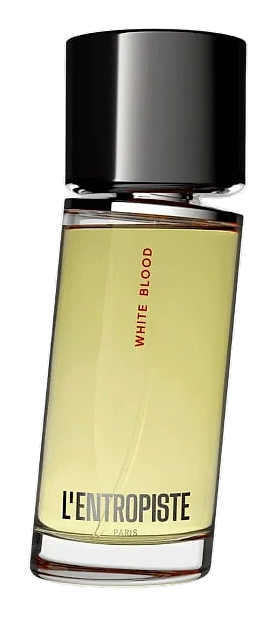
White Blood arrived in 2026 from L'Entropiste, with Bertrand Duchaufour composing the juice. The brand describes it this way: "Within every flower lies a secret fluid. A pale, dense, almost silent sap: a white blood flowing beyond sight." That image of sap, dense and almost silent, runs underneath the whole composition. It suggests a botanical interior, something alive and contained rather than decorative. The juice sits in that space between the floral and the visceral, closer to sap than to bloom. The name promises violence. The juice delivers a murmur, quiet and pale, more an undercurrent than a statement. There's something almost medical about the way it presents, clean and cool, the way a petal might look if you held it up to harsh light and saw the veins inside.
What makes this unconventional is the restraint. White Blood swaps any expectation of heaviness for starfruit, pink lotus, and tiare, a trio of notes that build toward something almost aqueous. Black pepper and bergamot at the top keep the bloom from feeling weightless, adding a slight bite and a citrus lift that grounds the airy florals in something more physical. The tension between the cooler opening spices and the warmer tropical heart is where the fragrance earns its interest.
The evolution
The opening belongs to bergamot and black pepper, sharp and clean, the citrus bright enough to read almost like cold water on skin. Starfruit shows up early too, that odd green-sweet note that sits somewhere between kiwi and white grape, pulling the brightness toward something juicier. The pink lotus and tiare arrive at the heart, lotus delicate and slightly soapy in the best way, layered with tiare's tropical cream. The whole heart phase reads like a white floral cloud, clean, lifted, almost humid. The musk starts grounding things as the composition settles, with ambergris adding that warm skin-salty quality, like warmth radiating off clean cotton. Vetiver appears later still, a dry green root shadow underneath everything. As the florals recede, the musk-ambergris combo stays present, and the vetiver keeps that rooty, earthy thread going beneath the skin-close softness.
Cultural impact
White Blood occupies an unusual position in the current fragrance landscape. Its combination of starfruit, pink lotus, and tiare places it in a tropical-leaning floral category, but the inclusion of black pepper and the restraint of the composition set it apart from louder, sweeter tropical fragrances. The musk-ambergris-vetiver base gives it a clean, skin-like quality that appeals to those who want a floral that doesn't announce itself from across the room.