

The Story
Why it exists.
The beginning
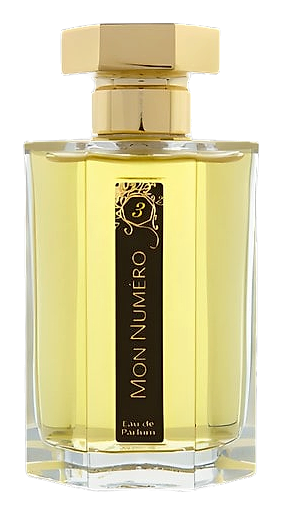
Mon Numéro 3 started as a single bottle available at Ludwig Beck in Munich, nowhere else on earth. In 2011, L'Artisan Parfumeur brought it back as part of the Mon Numéro collection, a series of numbered fragrances built around personal expression rather than mass appeal. Perfumer Bertrand Duchaufour designed it in a composition that feels refined and intentional. The numbered format suggests each fragrance stands alone, a standalone expression rather than part of a larger lineup. Mon Numéro 3 carries that principle forward, offering a scent that asks the wearer to engage with it on its own terms, to discover what it does and how it behaves over hours of wear.
Duchaufour structured Mon Numéro 3 around a tension that shouldn't work but does. Lavender and vetiver are classic aromatic materials, but the iris accord changes the conversation. It makes them powdery, unexpected. The liquor note adds something else: a boozy lift in the opening that feels like celebration. Some reviewers describe it as tipsy. That's not an accident. The alcohol note is the sparkle before the structure reveals itself, the breath before the sentence finishes. What makes this composition work is restraint. Four notes, carefully placed. Nothing wasted.
The evolution
The opening hits first: green, slightly sweet, that boozy sparkle from the liquor note. It reads like the moment before a toast, not the toast itself. The lavender emerges as the composition develops, herbal and clean, tempering the sweetness. The vetiver follows, earthier than expected, grounding everything. As the fragrance continues to evolve, the iris takes over. Powdery, violet-adjacent, it softens the whole structure. The drydown is quiet. Vetiver stays close to the skin for hours, but the projection drops to something intimate, personal, the kind of scent that someone standing next to you might notice before a stranger across the room. The progression shows how each note reveals itself in turn, creating a narrative arc that rewards sustained attention rather than making its case all at once. What starts as celebratory becomes contemplative.
Cultural impact
Mon Numéro 3 exists in the space between niche collector piece and everyday wearability. The conversation around it focuses on Duchaufour's structural choices: how vetiver and lavender can coexist without either dominating. The fragrance rewards patience, the kind you spray and let develop rather than spray and judge immediately. It occupies a particular niche in the fragrance landscape, appealing to those who appreciate restraint over projection, subtlety over statement. For wearers who connect with it, the scent offers a quiet sophistication that distinguishes it from more aggressive offerings.
The House
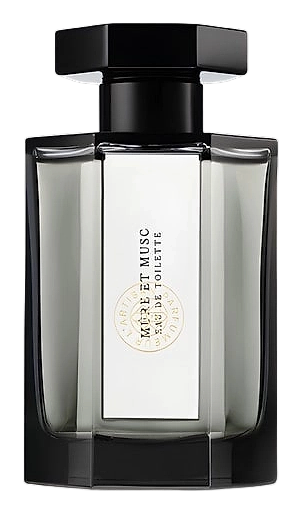
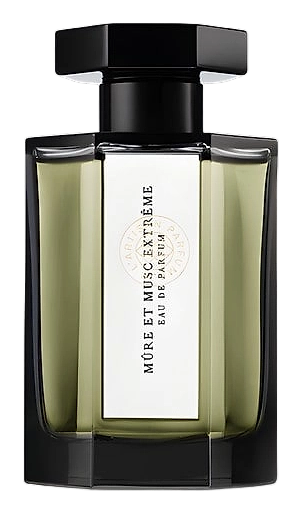
L'Artisan ParfumeurL'Artisan Parfumeur arrived in 1976 with a quietly radical idea: perfume should feel personal, not mass-produced. Founded by chemist Jean Laporte in Paris, the house became one of the first true niche fragrance houses, championing natural ingredients and artisanal craft at a time when blockbuster launches dominated the market. Its Mûre et Musc, launched in 1978, paired blackberry and musk in a way no one had attempted before, and it became a sensation. Over nearly five decades, the house has continued to create unusual fragrances with distinguished noses, never following trends but trusting instead in beautiful materials and imaginative composition.
The Creator
Bertrand DuchaufourDuchaufour is the master of smoke and shadow, of incense rendered with painterly depth rather than theatrical force. Where many perfumers treat frankincense as a single note, he builds incense as a tonal range, capable of austerity or warmth depending on what the fragrance dem…