The Story
Why it exists.
The beginning
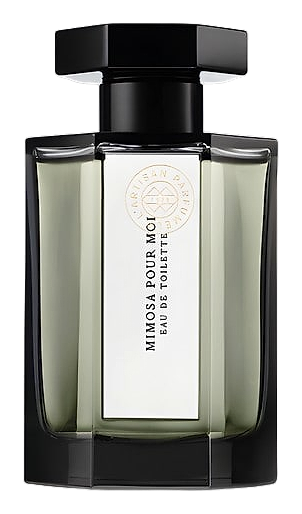
Mandarine Tout Simplement arrived in 2006 from Olivia Giacobetti, a perfumer whose work at L'Artisan Parfumeur has always followed instinct over convention. Giacobetti doesn't chase what's safe. She builds from materials she finds genuinely beautiful, and for this fragrance, that material was mandarin itself. Not mandarin as a bright opening note, but mandarin as an entire narrative. The idea was simple on the surface: track the fruit from its bitter peel to its sweet juice to whatever remains after it's gone. What Giacobetti delivered was less a fragrance than an olfactory study, minimal, precise, and uninterested in impressing you with volume. The name says it all. Mandarine. Tout Simplement. Simply mandarin. Nothing more was needed.
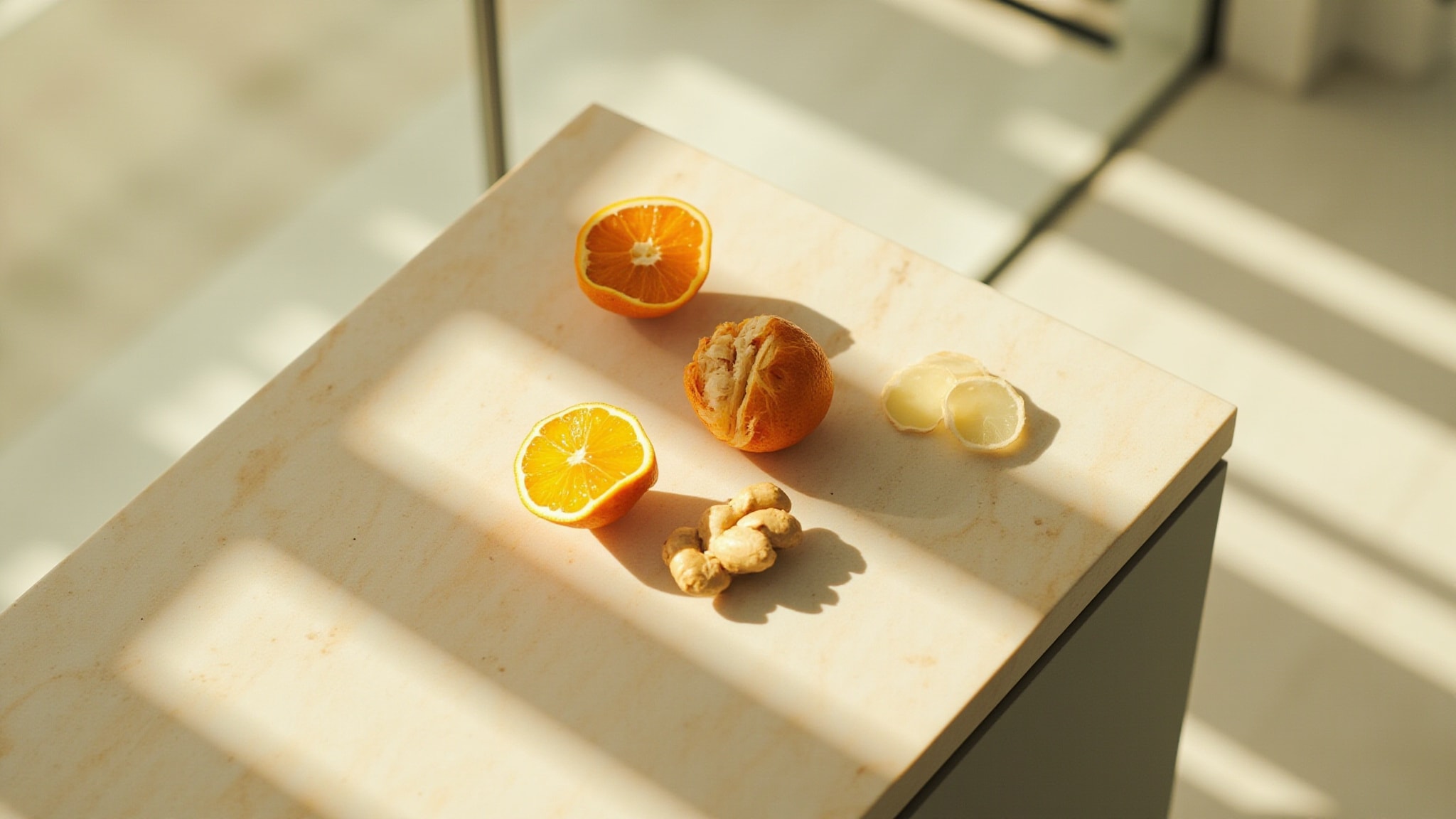
What makes this composition unusual isn't any single ingredient, it's the refusal to use them the way citrus fragrances typically do. Most compositions treat mandarin as an opening act, something to grab attention before the real perfume begins. Giacobetti inverted that logic. The mandarin here isn't a cameo. It's the entire film. The structure moves from green mandarin's bitter peel through ginger's warm spice, then into frangipani's tropical creaminess, a combination that softens the citrus without sweetening it. The base settles into white cedar, which doesn't extend the fruit so much as provide a quiet stage for it to exit on. The brevity is intentional. Giacobetti isn't hiding the decay, she's using it.
The evolution
The opening arrives sharp and almost vegetal, green mandarin's bitter peel alongside ginger's clean heat. It doesn't feel like a perfume at first. It feels like breaking open a citrus fruit in a small room. The ginger doesn't overpower but adds a spice that keeps the citrus from flattening into something generic. After twenty minutes, the mandarin softens. The green bite recedes and something juicier takes over, warmer, with frangipani threading through as a quiet tropical note. The ginger settles into the background, present but no longer leading. This is the heart, and it's where the fragrance earns its name. Not just mandarin as concept, but mandarin as experience. The juice itself. The drydown isn't dramatic. Red mandarin fades and cedar steps forward, dry and slightly resinous, staying close to the skin. By hour three, what's left is the memory of citrus, warm, faintly sweet, like the smell of your fingers after peeling fruit. Then nothing. The arc is complete.
Cultural impact
Mandarine Tout Simplement exists in a different register than most citrus fragrances of its era. Giacobetti built something that asks to be noticed by someone standing beside you, not across the room. The brevity is the statement. The restraint is the art. It's a fragrance for people who find projection exhausting, and for that, it's become something of a collectors' item.