The Story
Why it exists.
The beginning
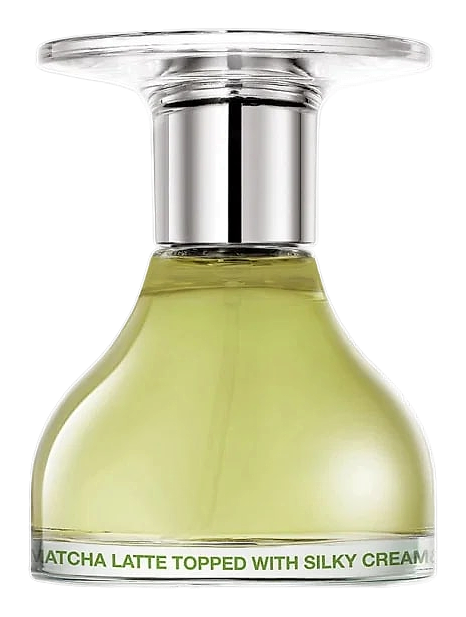
Kuoca built Matcha Latte around a single, very specific idea: what does a matcha latte actually smell like? Not the drinkable kind, the kind you order from the café on the corner with the chalkboard menu and the barista who knows your name. Green tea with that bright, almost-bitter edge, the cool shock of mint that sneaks in from someone's herb garden nearby, then the slow pour of warm milk that softens everything. Matcha Latte is Kuoca's take on that ritual, compressed into something you can wear instead of sip.
The structure is unusually simple, and that restraint is the point. Five notes total, nothing layered or hidden. Most compositions try to overwhelm you with ingredient lists and clever pyramid constructions. Matcha Latte doesn't. It trusts five ingredients to do the work, and somehow they do. The sandalwood isn't trying to anchor a complex base; it's just a quiet woody note that adds a little warmth without demanding attention. The milk note isn't a creamy afterthought either; it is the structural element that makes the green tea feel edible instead of just herbal.
The evolution
It opens with a flash. Mint and green tea hit together, cold and bright, like a window opened in a warm room. The bitterness of matcha is there from the first spray, green and slightly vegetal, with the mint cutting through it like a sprig pulled fresh from the garden. The creaminess isn't hiding in the opening. It's waiting its turn. As the fragrance settles, the mint eases back just enough to let the milk notes come forward, and the green tea softens from sharp and bright to something rounder, warmer, less sharp on the nose. The sandalwood arrives quietly underneath, adding a pale woody creaminess that keeps the whole thing from tipping into pure sweetness. By the time you've worn it for a while, the composition has shifted noticeably. What started as a bright green blast becomes something softer, warmer, more milky.
Cultural impact
Matcha Latte sits comfortably next to Kuoca's own Wild Peach and Geisha Coffee, reinforcing the brand's focus on drinkable, edible scent territory. Users who like Matcha Latte often also like compositions like White Rice by d'Annam, suggesting a shared appreciation for simple, single-concept fragrances. Not for everyone, and not trying to be. The appeal here is directness: a fragrance that smells like what it's named after, without translation, without abstraction. There's something quietly confident about a scent that doesn't apologize for being simple or accessible.