
The Story
Why it exists.
The beginning
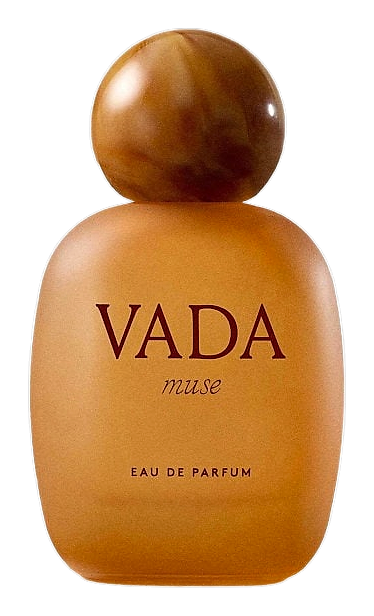
Muse was released by Vada in 2026, the work of perfumer Elena Valdivieso Ruiz, and the brief reads like a held breath. The brand describes it with a spare trio of words: soft, silky, deeply familiar, and one more line that anchors everything, 'a scent for connection.' Not a portrait of a person, exactly. More like the warmth that remains after the embrace breaks, the trace of closeness that keeps registering even after the moment has passed. The name itself, Muse, suggests an object of devotion, a presence that pulls art or attention toward itself without demanding it. Elena Valdivieso Ruiz composed Muse to honor that pull: a quiet composition that lingers where skin meets skin, delicate in its first impression but persistent enough to follow you through the day.
What makes Muse worth a second look is the restraint. The composition is built almost entirely around materials that already smell like skin, like warmth, like closeness. Bergamot adds the only real brightness, a thin citrus line that keeps the rose from tipping into bouquet territory. Rose absolute carries more honey and depth than the typical rose essential oil, which gives the heart a dusky weight. The sandalwood and vanilla base doesn't shout. It cushions. There's no oud competing for attention, no smoky pivot, no shock of spice. Just a five-note conversation held in soft registers, and the confidence to let that conversation be enough.
The evolution
Muse arrives wearing bergamot like a pale silk scarf, light and a little cool, the kind of brightness that reads as clean skin in morning air rather than any sort of citrus statement. Within the first twenty minutes, the rose absolute begins its slow entrance, and the jasmine answers it before you register the handoff. The florals here are not the crisp, dewy kind. They feel warmer, slightly honeyed, the kind of petals left on a warm windowsill. By the second hour, the sandalwood starts pulling the whole composition downward, and the vanilla arrives not as sweetness but as a soft blur, the way breath fogs on a cold window. The drydown is where Muse earns its name. The bergamot is long gone, the rose has settled into something almost abstract, and what remains is sandalwood and vanilla fused into a single warm note that sits close to the skin for the rest of the day. It doesn't project across a room. It survives a close conversation, a long afternoon, a commute home.
Cultural impact
Muse entered the market in 2026 as a five-note composition built around bergamot, rose, jasmine, sandalwood, and vanilla. The structure is deliberately lean, and the choice of materials reflects an editorial confidence in simplicity. Bergamot opens with a clean citrus lift that carries just enough bitterness to keep it from reading as sweet or generic. As it softens, jasmine emerges with a dewy, almost watery character, less indolic and more like petals caught in early morning light. Rose absolute enters at the heart, lending a soft, jammy warmth that rounds the jasmine without overwhelming it. The transition into the base is gradual.