The Story
Why it exists.
The beginning
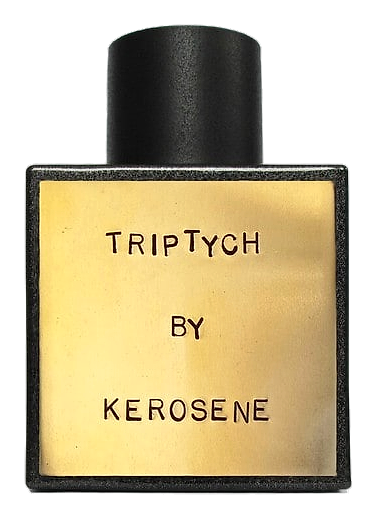
John Pegg built Triptych around a three-panel structure, spicy, floral, woody, like a triptych in oil painting. Each element holds its own ground rather than passing through phases. The name itself is the concept: three distinct notes arranged as panels, not steps. No top fading into heart fading into base. Everything arrives at once and stays. The rose and lemon open bright and clean, declaring intent immediately. That intent never changes. It simply holds. The three-note arrangement creates a visual and olfactory parallel to traditional altarpieces, where each panel commands attention while contributing to a unified whole. The structure invites comparison, asking wearers to consider how each element maintains its autonomy within the composition.
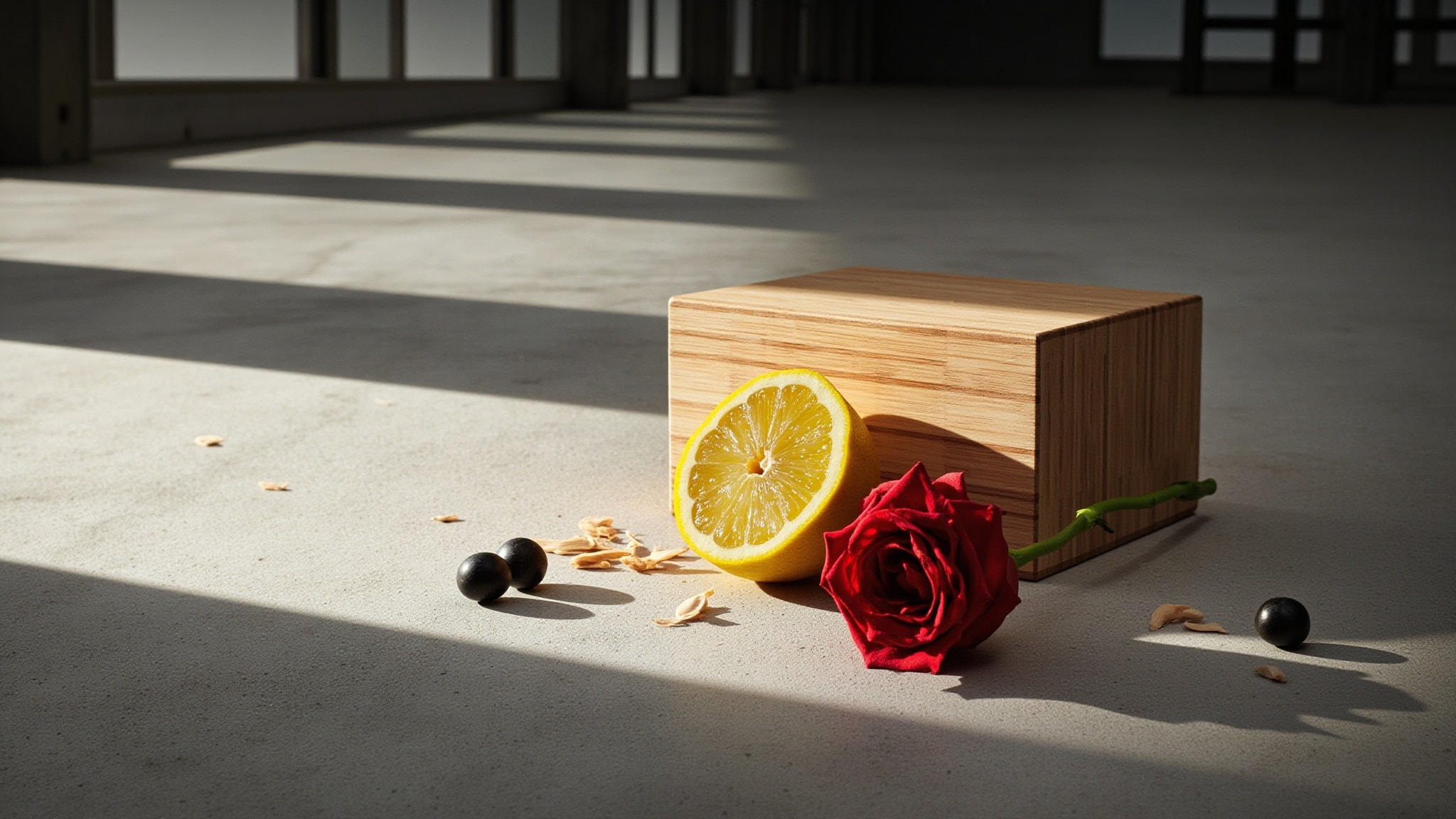
The notes reveal a deliberate tension at work. Rose is sweet and floral. Lemon is sharp and citrus. These two should compete, but in Triptych they don't. They share space without fighting. The geranium and black pepper introduce a slightly medicinal, almost green quality that interrupts the expected sweetness without destroying it. Sandalwood and cedar form a woody base that could ground anything, holding the whole structure in place. Ambergris adds a whisper of animalic depth, not skatole, not indolic, just enough salt and warmth to keep the composition from feeling too clean. The three-element structure, spicy, floral, woody, isn't just marketing. It's the organizing principle of the entire fragrance.
The evolution
The opening is the statement. Lemon and rose arrive together, bright and transparent, with a slight soapy quality that some will love and others will find unusual. Within an hour, the geranium and black pepper assert themselves, a slightly medicinal greenness that cuts through the sweetness without replacing it. The rose doesn't disappear. It deepens, becomes more textured. The fragrance maintains its presence throughout wear, projecting the floral-citrus combination into the surrounding space. The drydown is where the three elements finally merge. Cedar and sandalwood take over as the dominant force, but the rose and lemon are still there, just woven into the woody fabric now, like a memory rather than a statement. The ambergris adds a subtle animalic warmth that makes everything feel intimate, close, almost illicit. This is the part that justifies the price.
Cultural impact
Triptych's discontinuation has made it harder to find through standard retail channels. Collectors actively seek it through secondhand marketplaces, and those who discovered it consider it a notable entry in the Kerosene catalog. The rose-forward profile with an industrial edge appeals to wearers who want something distinctive rather than safe. For those who appreciate linear fragrances that stay true to their initial character rather than evolving dramatically, Triptych offers a compelling alternative to mainstream scent trajectories.