The Story
Why it exists.
The beginning
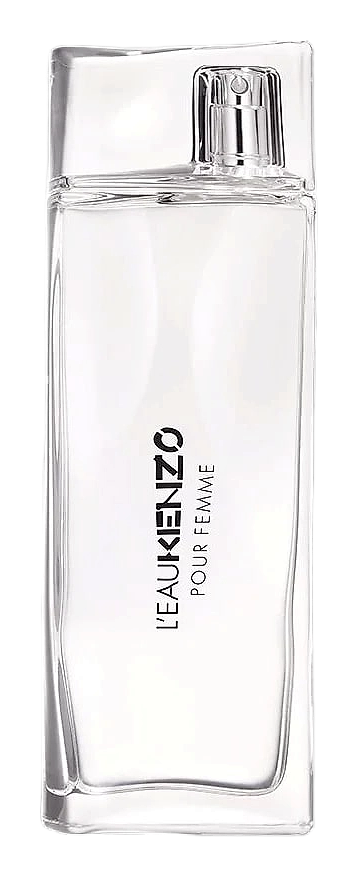
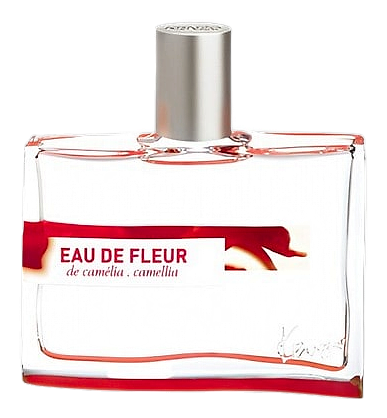
In 2011, Kenzo added Camelia to its Les Eaux De Fleur collection, a suite of light florals inspired by Asian flowers that the house had been building since 2008. The collection was a study in restraint. Each fragrance took a flower known more for its beauty than its scent and asked: what would this smell like if you really listened? Jean Jacques was given a narrow palette, citrus, camellia, white musk. Three notes. Not a lot of room to hide. The challenge was making something delicate that still felt complete. The camellia posed a particular problem. Unlike jasmine or rose, it doesn't give much scent naturally. The perfumer had to construct it, powdery, soft, slightly sweet, with the suggestion of petals rather than the full bloom. White musk became the backbone, holding everything together. The citrus opened the composition, then got out of the way. What remained was a fragrance that felt like a breath held at the right moment. Not trying.
The camellia's fragrance is a quiet thing, waxy, almost invisible in nature. Kenzo's choice to build a fragrance around it is revealing. This house has never been interested in the obvious. Flower by Kenzo famously invented the scent of a flower that has none, the poppy. Camelia follows the same logic: take something beautiful, find what it would smell like if it could smell like anything, and build that instead. The result is a fragrance that smells like the idea of a flower, not the flower itself. The white musk anchors it, giving the camellia something to rest against. The citrus lifts the whole thing, keeps it from becoming static. It's a composition that knows its limits, and stays within them.
The evolution
It opens bright. The citrus fruits do their job, a quick, clean brightness that lasts maybe fifteen minutes before the camellia takes over. And then it's powder. Soft, waxy, slightly sweet camellia that sits close to the skin for hours. The white musk keeps it grounded, keeps it from disappearing entirely. On fabric, this fragrance performs better than on skin. The camellia clings to cotton and silk, slowly releasing its quiet warmth. On skin, the longevity is moderate, four to six hours depending on the body chemistry. The sillage stays intimate throughout. A stranger won't smell it. Someone standing close will. The drydown is brief. The camellia fades, the musk lingers faintly, and then it's gone. No drama. No lingering statement. It ends the way it began: softly.
Cultural impact
Part of Kenzo's Les Eaux De Fleur collection, which launched in 2008 with three Asian-inspired florals and grew through 2011 with Camelia as the final limited edition. The collection never chased the blockbuster market, these were quiet fragrances for people who wanted scent without performance. Camelia fits that profile: delicate, powdery, and intentionally restrained.