The Story
Why it exists.
The beginning
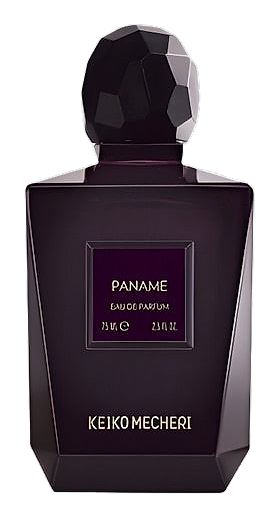
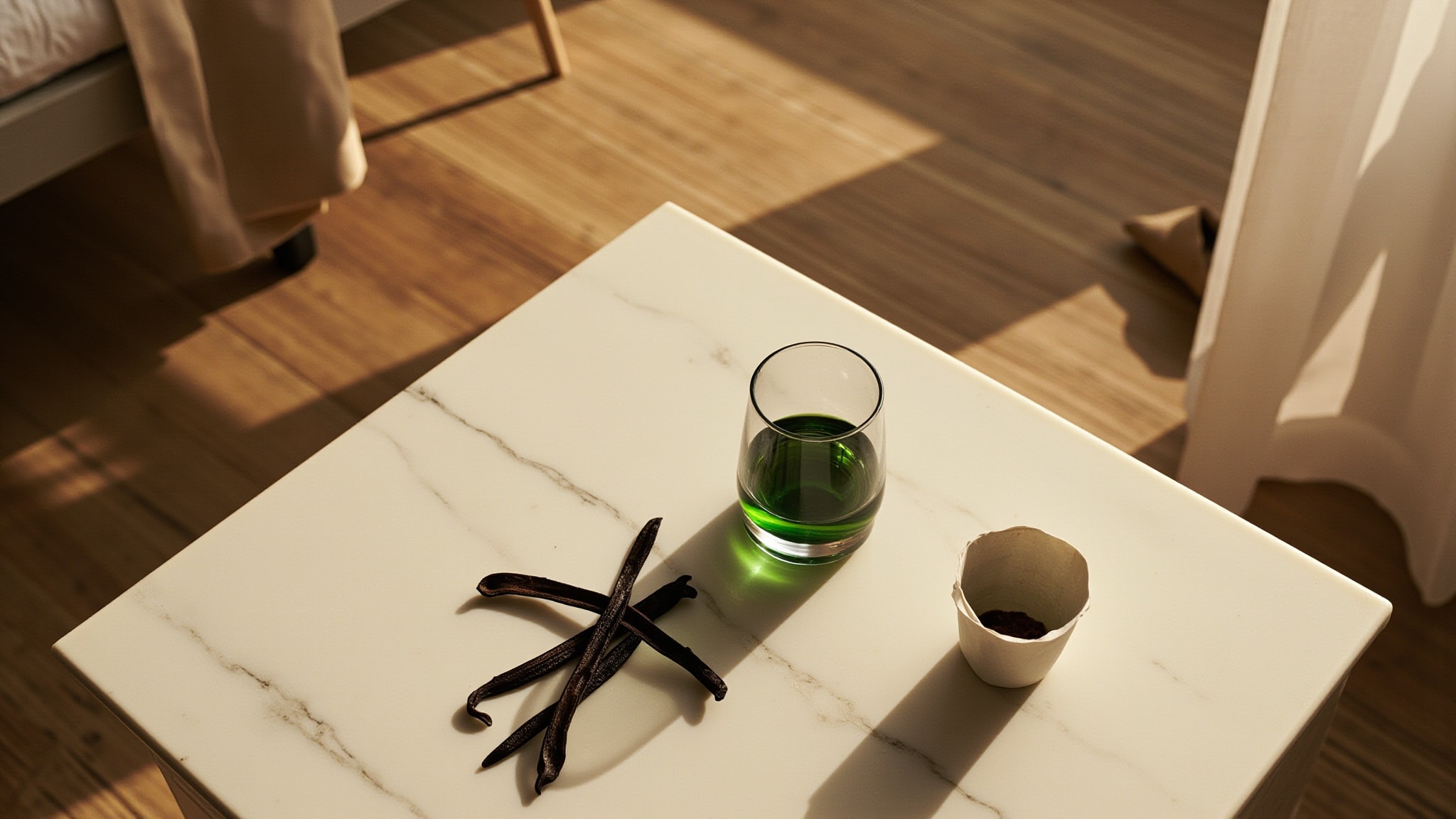
Paname opens with a question posed by its own chemistry: what happens when the harsh, almost punishing edge of absinth meets the soft, edible warmth of vanilla? The two notes do not simply coexist; they argue, they negotiate, they find unexpected common ground in a middle ground that feels simultaneously sharp and smooth. The name carries its own weight, a colloquial reference to Paris that evokes a city of contradictions, where elegance and grit share the same boulevard. This duality becomes the fragrance's operating principle. It is not a love letter to absinthe, nor is it a dessert. It is a conversation between two completely different languages, each one pushing the other toward something neither could reach alone.
What makes Paname interesting isn't the absinth itself, it's the choice to soften it without neutralizing it. Most fragrances that feature wormwood or artemisia either lean fully into the bitter-herbal territory or bury it under sweetness. Paname does neither. The green notes arrive first and announce themselves without apology. This is not a fragrance that eases you in. But the vanilla and tonka in the base don't arrive as rescue, they arrive as counterweight. The composition earns its warmth by refusing to earn it easily. The result is something that smells like a decision, not an accident.
The evolution
The opening hits with an immediacy that surprises. Green notes, not bright, not grassy, but dark and almost oily, arrive with absinthe's characteristic bite. The spirituous quality is unmistakable. It doesn't whisper. For the first thirty minutes, the fragrance asserts itself with a sharpness that some find bracing and others find magnetic. Then the warmth begins to build underneath. Vanilla, soft and slightly powdery from the tonka, starts to rise through the composition like heat through a floor. The green doesn't disappear, it recedes, becoming a shadow rather than a spotlight. By hour three, the base takes over: woods that are warm without being heavy, spices that add depth without spice-aisle obviousness, and a musky finish that keeps the fragrance close to the skin. On fabric, it lingers longer, a ghost of sweetness and green that stays until the next wash.
Cultural impact
Paname occupies an unusual position among early 2000s niche releases, a fragrance that was never safe, never mainstream, and never tried to be. The absinth-vanilla pairing was uncommon at its launch and remains uncommon now. Collectors who discovered it describe it in terms usually reserved for more dramatic compositions: polarizing, distinctive, not for everyone. That reputation has kept it alive long past its launch window. In a landscape where most fragrances aim to be liked, Paname aimed to be remembered.