
The Story
Why it exists.
The beginning
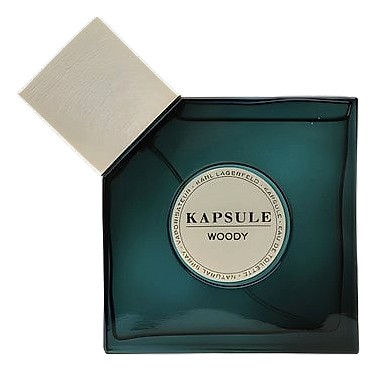
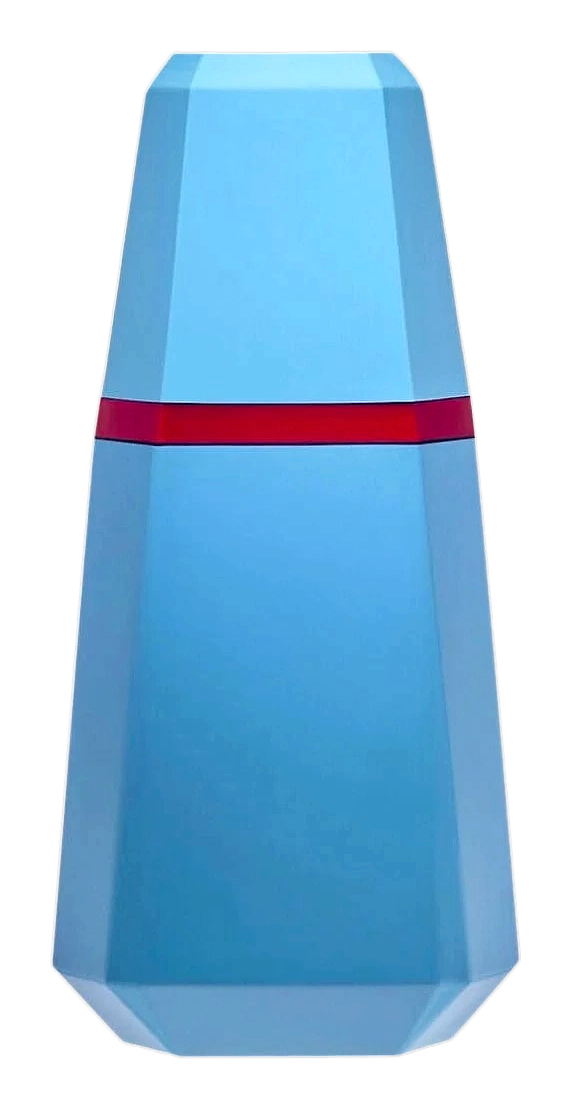
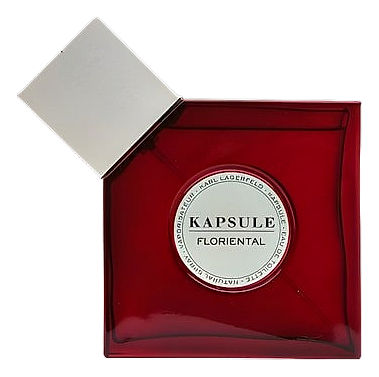
Emilie Bevierre-Coppermann designed Kapsule Floriental in 2008 as part of a trio called Kapsule, the K for Karl, the capsule referencing geometry, his stated obsession. The fragrance falls into the floral-oriental category, featuring violet, tea, and ivy among its notes. Released in October 2008 in a red square bottle designed by Lutz Herrmann, alongside Light in blue and Woody in dark blue. The geometric inspiration behind the bottle design reflects the trio's clean, restrained aesthetic, echoing the stark visual language Lagerfeld brought to everything from fashion to fragrance.
What makes the Floriental interpretation work is the restraint. The composition balances its floral and oriental elements without surrendering to excess. The result is a fragrance that smells like an idea as much as a scent. Clean enough to wear daily, specific enough to remember. The Kapsule trio was designed to be combined, but Floriental holds its own without needing backup. It occupies a narrow space in the fragrance landscape, neither purely floral nor fully oriental, drawing strength from the tension between these two traditions rather than committing fully to either.
The evolution
The fragrance opens with a cool, powdery character before the black tea becomes more apparent. As it develops, the composition settles into a quiet violet-and-powder base. The drydown is where it earns its keep. On skin, it settles into a skin-close violet-and-powder base that clings close. The longevity varies by wearer, but it provides a lasting presence that rewards attention. The scent invites you to lean in rather than announce itself, offering something quieter in a category that often favors projection.
Cultural impact
Kapsule Floriental occupies an unusual position: a designer fragrance that refuses to shout. It offers something quieter, a scent that asks to be discovered rather than announced. The Kapsule trio was designed for combination, reflecting a modular approach to fragrance. Collectors who found it appreciated the restraint, returning to it as an example of what happens when a designer applies the same principles to scent that governed his fashion. The fragrance rewards repeated wearing, revealing its nuances over time.
The House
Karl LagerfeldKarl Lagerfeld fragrance house translates the designer’s stark aesthetic into scent. Founded in the late 1970s, the label releases modern compositions that echo his love of contrast and precision. Each bottle bears a minimalist silhouette, while the olfactory stories range from crisp citrus to deep woody accords. The brand remains a quiet reference point for collectors who value design as much as aroma.
The Creator
Emilie Bevierre-CoppermannÉmilie favors crisp, structured compositions that balance bright top notes with a warm, lingering base. She often begins with a clear, aromatic opening—citrus, green tea or a sparkling berry—then anchors the piece with woods, amber or subtle musk.