The Story
Why it exists.
The beginning
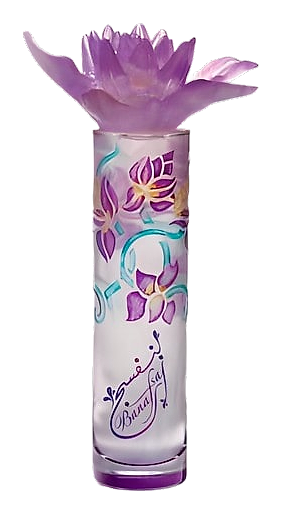
In 2008, Junaid Perfumes set out to create a new kind of composition. Not a departure from the house's Arabian roots, but an expansion alongside them. Banafsaj became the fragrance that spoke French while wearing a thobe. A rose-and-jasmine fragrance, yes, but one with a measured hand, the kind that comes from experience with natural materials. This wasn't the brand's heritage story. It was its counterpoint, a reminder that craft can pivot without losing its voice.
What makes the structure interesting is the double rose. One in the top, one in the heart, but they don't read as two separate arrivals. They read as a single blooming that got extended. The jasmine doesn't sit on top of the rose; it nestles beside it, warm and nocturnal in feeling despite the daytime notes. The woody-musky-amber base doesn't arrive like a reveal. It arrives like permission, letting the florals breathe while giving them somewhere to land. Simple pyramid, but the proportions reward wearing it rather than just reading about it.
The evolution
The opening is rose, immediate and clean. The kind of rose that announces itself without apology. Jasmine arrives in the heart, not to overpower the rose but to harmonize with it. The second rose in the heart makes the whole thing feel like one long bloom rather than a before-and-after. Woody notes and a soft musk arrive quietly, wrapping the florals without burying them. The drydown is warm and close, skin-warm, not skin-sick. Banafsaj offers above-average longevity, lingering on fabric long after the initial wearing.
Cultural impact
Banafsaj occupies an interesting position in Junaid's catalogue, a house known for oud and traditional Arabian compositions releasing a quiet, two-flower fragrance in 2008. It didn't try to compete with the brand's signature register. It offered something else: the fragrance equivalent of a second language, spoken fluently. Rose and jasmine, honestly composed, without tricks or trends.