The Story
Why it exists.
The beginning
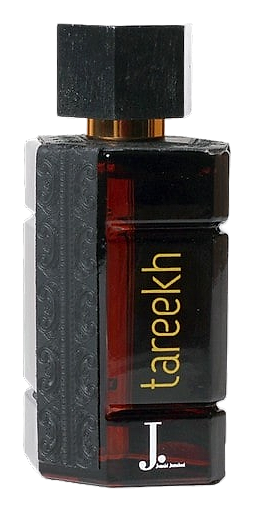
Tareekh draws from the oldest vocabulary in South Asian perfumery, pure oud, sandalwood, rose, and amber, and arranges them into a single, unapologetic statement. The composition leans on ingredients that carry centuries of regional scent tradition, rendered without compromise or reinterpretation. Each note arrives with the weight of its own history, and the blend holds nothing back. There's no reinvention here, no softening of the edges to suit a global palate. Just the core materials that have anchored oriental perfumery for generations, stacked together with intent. The result reads dense and deliberate, a fragrance that knows exactly what it wants to be. It wears like a manifesto pressed into liquid form, confident in its reference points and uninterested in explanation.
What makes the composition interesting is its restraint. Four accord families do all the work, woody, rose, oud, and warm spicy, and none of them negotiates for space. The rose here reads heavier than most, almost jammy, the way rose absolute behaves when it shares a bottle with real oud. There's nothing shy about how the petals sit against the resin. The spicy notes stay abstract rather than naming themselves, a warmth without a specific source, and that ambiguity feels intentional. It keeps the fragrance grounded in its own tradition without leaning on recognizable shortcuts.
The evolution
The opening arrives loud. Oud and amber hit together, dense and slightly animalic, the kind of scent that fills a small room within the first ten minutes. There is no gentle ramp-up here. The first half hour belongs entirely to resin, a thick and resinous curtain that demands attention. Then the wood and spice begin to surface, rounding the edges, pulling the composition away from pure smoke toward something warmer and more grounded. By the second hour, the rose emerges from underneath. It never shouts. It settles, powdery and slightly sweet, carrying the composition through its middle stretch with quiet authority. The sandalwood arrives last and stays longest, anchoring the base as everything else begins to soften. On skin, the drydown reads creamy, woody, faintly rosy, the kind of scent that lingers on a scarf the next morning and greets you before you reach for it.
Cultural impact
Tareekh occupies a specific niche within South Asian fragrance culture, leaning fully into its heritage without compromise. It wears like something familiar to anyone who has spent time around regional perfumery, yet presents in a format that fits a modern vanity. The fragrance rewards patience, and the drydown is where it earns its reputation, an arc that appeals to wearers who measure a scent by how it settles rather than how it announces. The composition doesn't try to bridge two worlds or soften its edges for unfamiliar noses. It stays exactly where it began, rooted in the materials and traditions that shaped it.