
The Story
Why it exists.
The beginning
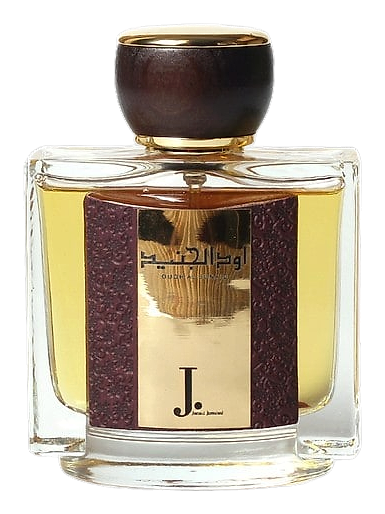
Oudh Al Junaid takes its name from Junaid Jamshed, the Pakistani singer and spiritual figure. The fragrance was released in 2014 as part of the brand's expansion into fragrances. It features oud, leather, and preserved wood, materials chosen for their lasting qualities. These are bold materials, materials that command attention, materials that don't apologize for what they are. The composition builds on these anchors, adding layers that reward time and patience.
What makes Oudh Al Junaid interesting is the leather-oud pairing at its core. These are not gentle materials. Leather brings animalic warmth; oud brings density and complexity. Here, lemon arrives as the equalizer, tart, bright, cutting through the richness before the woody heart takes over. The composition earns its oriental classification through its structure, its balance of rich base notes against brighter top notes that create contrast and depth.
The evolution
The opening hits immediately. Leather and oud, together, without apology. Sweet, dense, animalic, this is the preserved wood the brand describes, and they did not hide its intensity. The lemon surfaces, that tart citrus note brightening everything, making the oud feel less heavy, more alive. The heart unfolds after that: woody notes gaining warmth, the citrus fading, the composition settling into something cohesive. The drydown reveals itself slowly. Musk emerges, soft and animalic, while leather persists but gentler now. The three blend into a close-skin phase, intimate, still present. On fabric, it lasts longer. The next morning, there is something still clinging, the oud's signature lingering.
Cultural impact
Oudh Al Junaid belongs to a house known for traditional South Asian fragrance materials, oud, leather, musk. The fragrance sits firmly in the Oriental Woody category, appealing to wearers who want bold, distinctive scents over safe, mass-pleasing compositions. It represents a tradition of fragrance houses serving a market that values these materials for their cultural resonance, not just their novelty.