The Story
Why it exists.
The beginning
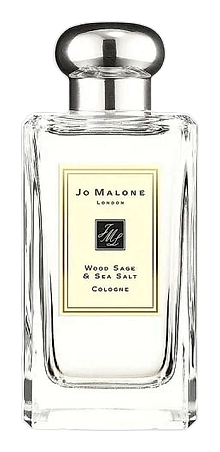
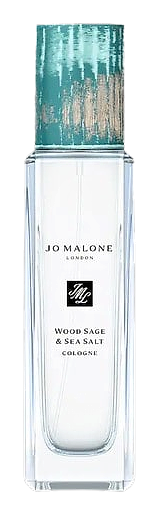
Wood Sage & Sea Salt began as an answer to a simple question: what does the British shore actually smell like? Not the postcard version, but the real one. Mineral damp, salt air, the rugged texture of a coastline in the cold months. Launched as a cologne, the formula keeps things intentionally thin and transparent. You wear it close, like a second layer of weather. The opening is soft and ambrette-driven, a skin-warm quality that settles before anything sharper arrives. As the minutes pass, the sea salt moves forward, bringing a clean mineral edge that feels less like ocean spray and more like cool air pulled across exposed rock.
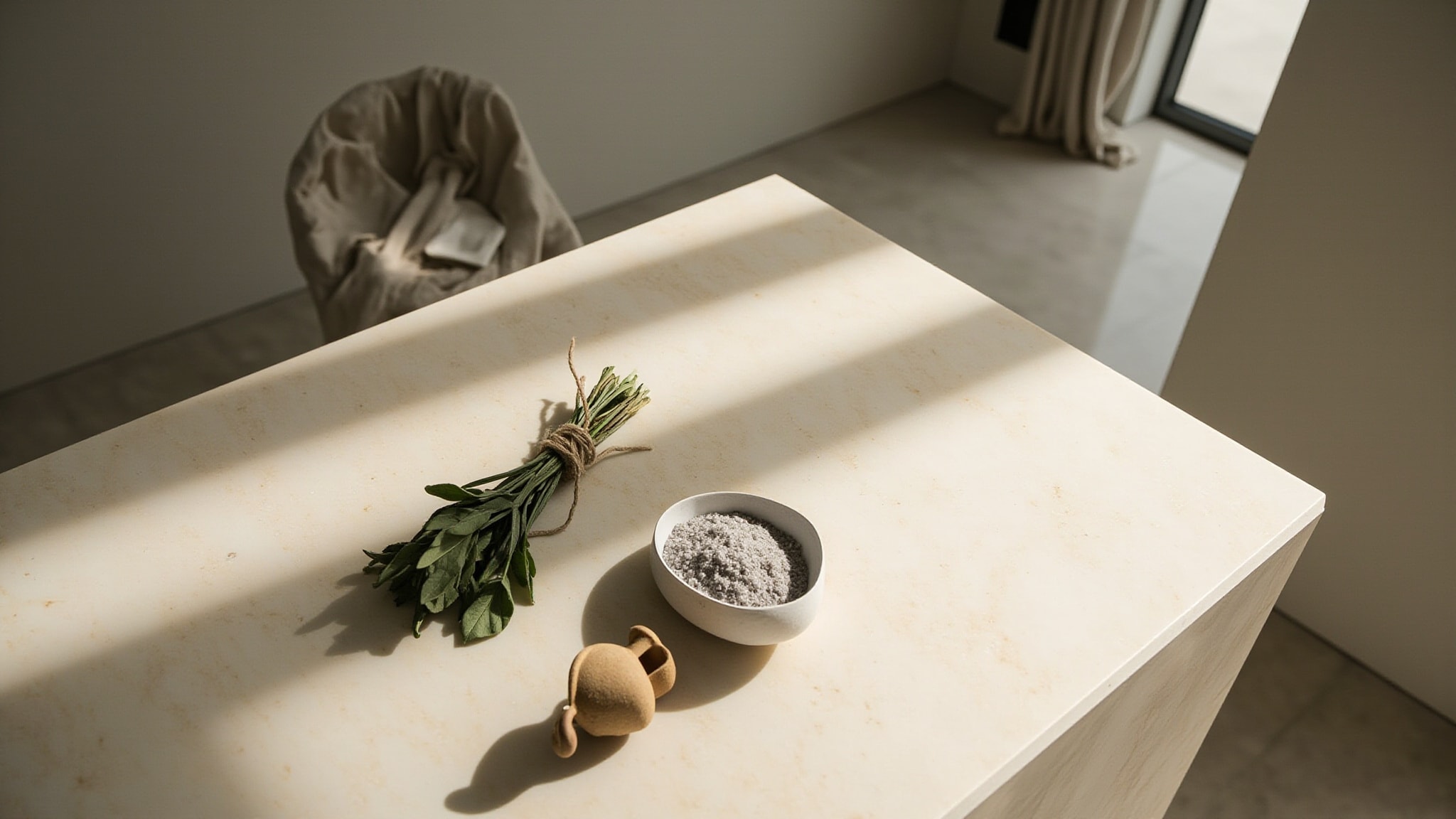
What's clever is how few notes actually do the work. Ambrette seed carries a musky, slightly sweet warmth at the opening, bridging the gap between skin and salt. The mineral accord and sea salt in the heart aren't trying to smell like the ocean, they're after the feeling of wet stone, cold and clean without being aquatic-screamy. Then sage grounds everything with a dry, almost bitter green that keeps the whole composition from drifting into spa territory. Three note families. That's it. The restraint is the point.
The evolution
On skin, the first ten minutes are all ambrette, that dewy musk-seed quality that reads almost like clean laundry left on a warm radiator. It isn't loud, but it sets a temperature. Around the twenty-minute mark the sea salt arrives, and with it a mineral chill that sharpens the edges. The ambrette doesn't disappear, it thins, and the composition opens up into something cooler and more transparent. Sage takes longer still. When it arrives it's dry and herbal, not sharp like culinary sage but dusty and grounded, like dried garden herbs crushed between fingers. The final hours belong to this sage-ambrete-salt murmur. The scent sits close rather than projecting far past arm's length, and the way it fades feels gradual, almost reluctant. Each phase layers onto the last rather than replacing it, so even in the drydown there's a sense of the opening still echoing underneath.
Cultural impact
Wood Sage & Sea Salt wears close, which matters: this isn't a room-filler, it's a skin scent for someone who doesn't need to announce themselves. The appeal sits in the restraint, in the way it smells like a place and a feeling rather than a performance. It captures something specific about coastal air, the kind of clean, mineral clarity that lingers on fabric and hair after a walk by the water, and turns it into something wearable year-round. The fragrance has found an audience with people who prefer their scent unobtrusive, who want something that complements rather than dominates.
The House
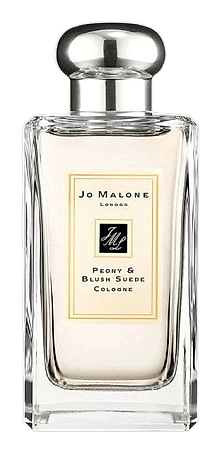
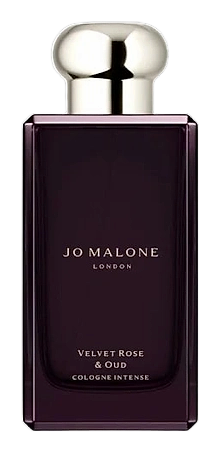
Jo Malone LondonJo Malone London is a British fragrance house founded by Jo Malone in 1990 and now owned by Estée Lauder Companies. The brand built its reputation on a signature layering concept that lets wearers combine colognes into personal signature scents. Each fragrance begins with a story, whether drawn from childhood memories, British traditions, or sensory moments. The collection spans delicate florals like Peony & Blush Suede alongside richer compositions such as Velvet Rose & Oud. Known for understated bottles finished with black script lettering and a colored ink matching each scent, the brand maintains a refined British aesthetic across over 30 countries. The house continues releasing new fragrances under Estée Lauder while preserving the creative philosophy Jo Malone established.
The Creator
Christine NagelNagel occupies a distinctive space in contemporary perfumery, favoring sensual, textured compositions over the clean minimalism that dominated for decades. Her fragrances often feature unexpected contrasts: mineral and floral, salty and sweet, cool and warm.