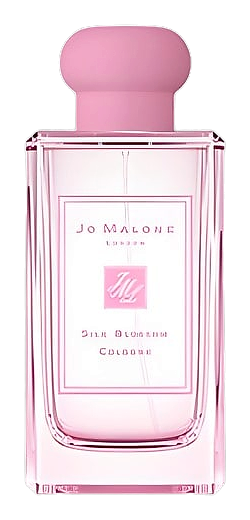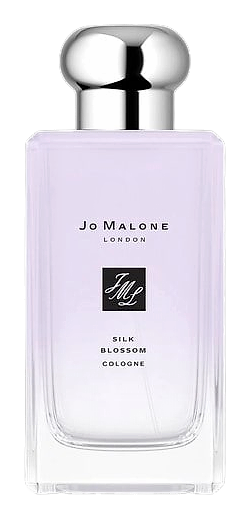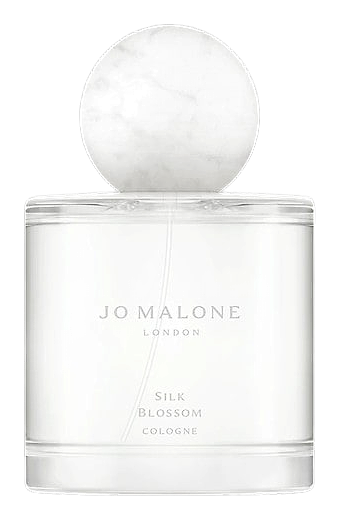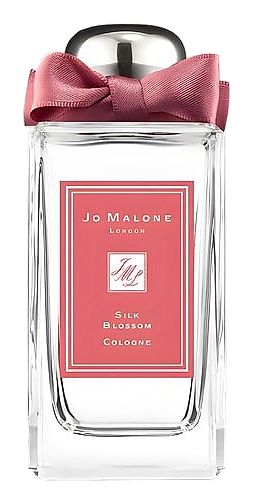
The Story
Why it exists.
The beginning
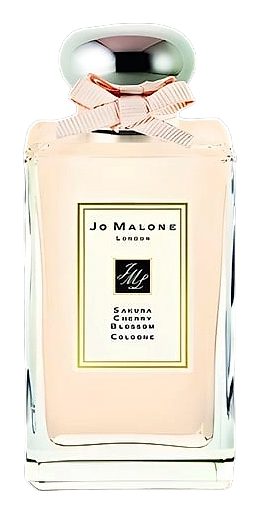
Christine Nagel built her tenure at Jo Malone London composing scents that felt like memories the wearer hadn't made yet. Sakura Cherry Blossom arrived in 2011 as her take on an ancient tradition reinterpreted for modern skin. The Japanese practice of hanami, gathering beneath cherry blossoms to mark spring's arrival, had been captured in perfume before, but rarely with this restraint. Nagel's version translated fragility into something wearable, something that understood the difference between delicate and weak. The fragrance didn't try to recreate the flower itself. It captured what the flower meant: transience, renewal, the particular softness that arrives when cold winter finally releases its grip.
What makes Sakura Cherry Blossom interesting isn't the cherry blossom, there's no actual cherry blossom essence in fragrance, it's a conceptual accord. Instead, Nagel assembled it from materials that evoke the feeling: rose for the petals' velvety texture, mimosa for the yellow-green freshness of stems, musk to approximate skin-warmth. The citrus top notes (bergamot and mandarin) serve as the opening gesture, that first breath of warmer air. It's a composition built on translation rather than representation, which is why it smells more like a memory of spring than a photograph of it.
The evolution
The bergamot opens crisp, almost sharp. Ten minutes in, mandarin sweetens it just enough to feel welcoming rather than bracing. Then the florals take over, not all at once, but in stages. Rose arrives first, familiar and soft. Cherry blossom follows, but it's more concept than note; what registers is a quiet powdery warmth that sits close to the skin. Mimosa keeps things interesting by adding a faint nuttiness, a green undertone that stops the heart from becoming saccharine. By hour two, the woody base begins to assert itself, subtle, warm, barely there. The musk holds longest, a soft skin-like presence that lingers past the four-hour mark on most wearers. By hour five, it's memory more than scent. But there's something: a trace, a warmth, the ghost of an afternoon that felt like nothing and meant everything.
Cultural impact
Sakura Cherry Blossom found its audience in the growing cohort of fragrance wearers who prefer discretion over projection. Released in 2011, it arrived during a cultural moment when luxury began shifting toward understatement, fewer logo prints, quieter signs of wealth. The fragrance fit that mood: it never announced itself, yet those who encountered it remembered it. Wearers describe it as the scent of someone who walks into a room and doesn't need to be noticed. Spring and daytime wear dominate its usage occasions, which aligns with its character: ephemeral, gentle, and perfectly timed for the season that makes people want to start again.