The Story
Why it exists.
The beginning
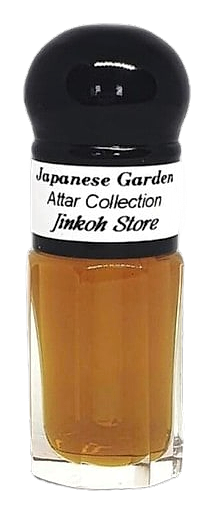
Japanese Garden was created by Marius Pană for Jinkoh Store. The name points toward a place rather than a single botanical: a garden imagined through citrus, rose, tea, ginger, berries, and hinoki wood. Together, these elements create a layered composition in which fresh citrus gives way to floral softness, while tea and hinoki lend a composed, quietly woody character. The berries add a gently tart accent, and ginger brings a clean, peppery note that keeps the arrangement from seeming overly sweet. The result feels less like a decorative garden and more like a sensory pause, a meeting between cultural reference and contemporary taste.
The striking part is the tension inside the name. Goji berries bring a tart, almost wine-like fruitiness; rose adds a floral sweetness that can edge toward sourness; ginger introduces clean heat; green tea and hinoki wood pull the whole composition toward something green, woody, and mineral. That combination makes the fragrance feel familiar and strange at once, with enough contrast to keep the garden from becoming a conventional floral scene.
The evolution
Japanese Garden presents a varied impression, beginning with citrus that feels bright and lightly misted. Its freshness is tempered by the rounded character of rose, while berries contribute a sharper, gently tart accent. Ginger adds a clean, peppery warmth, giving the composition a measured touch of spice without overwhelming the floral and green elements. Tea and hinoki wood complete the sense of freshness with leafy and woody depth, while rose remains softly present among them. Together, the notes create a balanced garden-like effect: bright at first, more textured through the middle, and grounded by a subtle woody trace that stays close to the skin.
Cultural impact
Japanese Garden uses citrus, rose, tea, ginger, berries, and hinoki wood to evoke a garden through scent rather than through a literal recreation of a location. The citrus supplies a bright opening impression, rose adds floral softness, and berries contribute a lightly tart accent. Ginger introduces a clean, peppery note, while tea and hinoki wood create a leafy, woody foundation. Together, these elements offer an invitation to explore a fragrance built around contrasts: fresh and warm, floral and woody, bright and composed.
The House
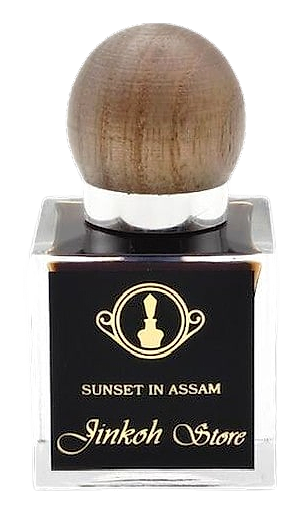
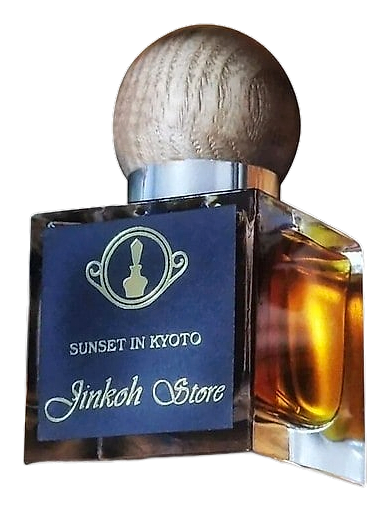
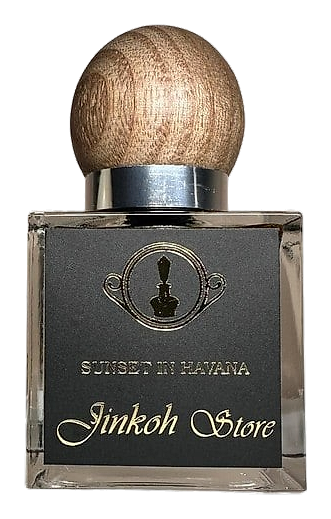
Jinkoh StoreJinkoh Store is a niche fragrance house that emerged in 2018 with a focus on hand‑crafted scents rooted in classical incense traditions. The brand releases limited editions that often reference specific places, such as Sunset in Kyoto (2023) and Sunset in Assam (2024). Each bottle is presented as a concise narrative, inviting collectors to explore a line that balances aromatic depth with restrained elegance. Jinkoh’s catalogue, though compact, spans woody, floral and resinous families, offering a quiet alternative to more commercial scent portfolios.
The Creator
Marius PanăPană favors a disciplined layering technique, building structures that reveal themselves over time. He often begins with a mineral or resin base, then adds a heart of rare woods, and finishes with a subtle amber or spice veil.