The Story
Why it exists.
The beginning
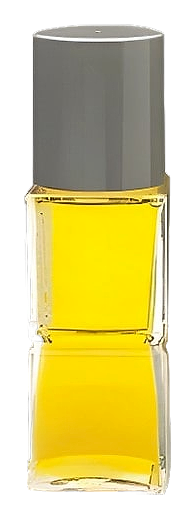
1982. Jil Sander had already proven that less could hold more. Man II arrived as the second chapter in the brand's men's collection, a deliberate deepening rather than an expansion. Where other houses built crowded pyramids, Man II worked with four materials: iris, castoreum, oakmoss, benzoin. Each chosen because it could stand alone. Each allowed to speak without interruption. The composition didn't shout. It held its ground. Subtraction as a statement, not compromise. That was the idea behind Man II, and the idea is still audible in the bottle.
Iris leads here, which was unusual in 1982. The note rarely commands a men's fragrance; it tends to soften corners in supporting roles. Man II puts it center stage anyway, powdery, cool, almost violet in its dryness. Castoreum isn't hidden. It's made visible: smoky, intimate, that slightly feral leather-and-skin quality that gives the drydown its character. Oakmoss anchors everything, the tannic bitter backbone that stops the iris from floating away into abstraction. Benzoin adds warmth, sticky sweetness, keeping the whole structure from turning austere. The result is Man II's signature: smoky, powdery, animalic. Specific enough that nothing else quite hits the same place.
The evolution
The opening arrives dry, bitter herbs, artemisia, pine needles sharpening the air. The iris enters quickly, arresting in its cool intensity, violet dust over something darker underneath. It doesn't ease in. It asserts. The heart belongs entirely to iris, powder dominant, while castoreum begins its slow emergence as smoke and intimacy. Not animalic in a crude sense. Refined, but unmistakably present. The drydown settles into castoreum's smoky warmth, oakmoss, and a benzoin residue that lingers. Close to the skin. Long after the first spray. Lasting well into the next day on fabric.
Cultural impact
Man II sits apart from the fresh-and-fougère mainstream of early 80s masculine perfumery. Its iris-led structure and unapologetic castoreum drydown drew wearers who wanted a fragrance with opinions. The powdery drydown and strong sillage made it a signature scent for those who found the era's louder masculines excessive. It endures as a reference point for what restraint, real restraint, not just reduced projection, can accomplish.