
The Story
Why it exists.
The beginning
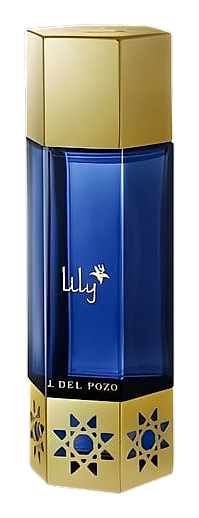
Desert Flowers Lily arrived in 2013 as part of Jesús del Pozo's broader exploration of contrasts, warm florals against darker bases, sweetness against structure. The collection name suggested a specific kind of beauty: flowers that bloom where you least expect them, that persist in difficult terrain. Lily, in this context, wasn't fragility. It was defiance. The 2013 release translated that idea into a fragrance with an unusual architecture, fruity and floral at the top, then a base of leather, cedar, and oud that reclaims the sweetness from a different direction entirely.
The combination of lily with oud is uncommon. Lily reads soft, even innocent, a funeral flower, a wedding flower, something associated with purity ceremonies. Oud reads ancient, smoky, intimate. Putting them together means the lily can't stay innocent. It has to grow into the oud, or be consumed by it. The peach in the heart bridges them, fruit that ripens toward warmth rather than freshness, keeping the floral from floating away while the wood and leather anchor everything below. The result is a fragrance that refuses to be one thing.
The evolution
The opening hits bright. Blackcurrant and tangerine arrive together, lychee hovering underneath, a fruity cluster that reads more summer afternoon than desert bloom. This lasts cleanly for twenty to thirty minutes before the hand-off begins. The florals take over next, but not in a gentle transition. Lily pushes through with a slightly green, almost aquatic edge while jasmine and rose build around it. The apple and peach add body without sweetness, this is the heart getting heavier, not lighter. By hour three, the base announces itself. Cedar and leather arrive first, grounded and dry, then the oud slides in quietly. Not loud. Not smoky. Just present, a warmth that sits close to skin and stays. Eight to ten hours on most skin. The next morning, cedar and a trace of peach on fabric.
Cultural impact
Desert Flowers Lily arrived in 2013 as part of Jesús del Pozo's final fragrance collection, representing the last creative direction set by the founder before his death in 2011. The Madrid fashion house, known for its architectural approach to design, brought that same structural philosophy to its fragrance line, creating scents that function as wearable constructions rather than simple aromatic pleasantries. This particular fragrance bridges Spanish sensibility with broader oriental perfumery trends that dominated the early 2010s, particularly the exploration of oud in Western fashion houses.