The Story
Why it exists.
The beginning
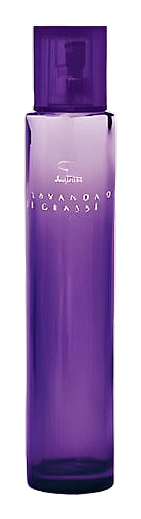
Lavanda de Grasse arrived in 2009 from Jequiti, a Brazilian house. The name points to Grasse, the Provençal town long considered the perfume capital of the world, and to the lavender fields that surround it. What landed on Brazilian shelves was a simple aromatic take on that idea: lavender as the lead, shaped for a warm-climate sensibility, stripped of fuss, designed for daily wear. The bottle carries a quiet confidence, a pale violet liquid that reads cool against the heat, promising something herbal without the austerity that often comes with it. On skin, the opening is bright and uncomplicated, a clean wash of lavender that feels closer to a freshly opened sachet than to a dense floral bouquet. There is no dense sweetness pulling at the edges, no powdery old-school cushion behind it.
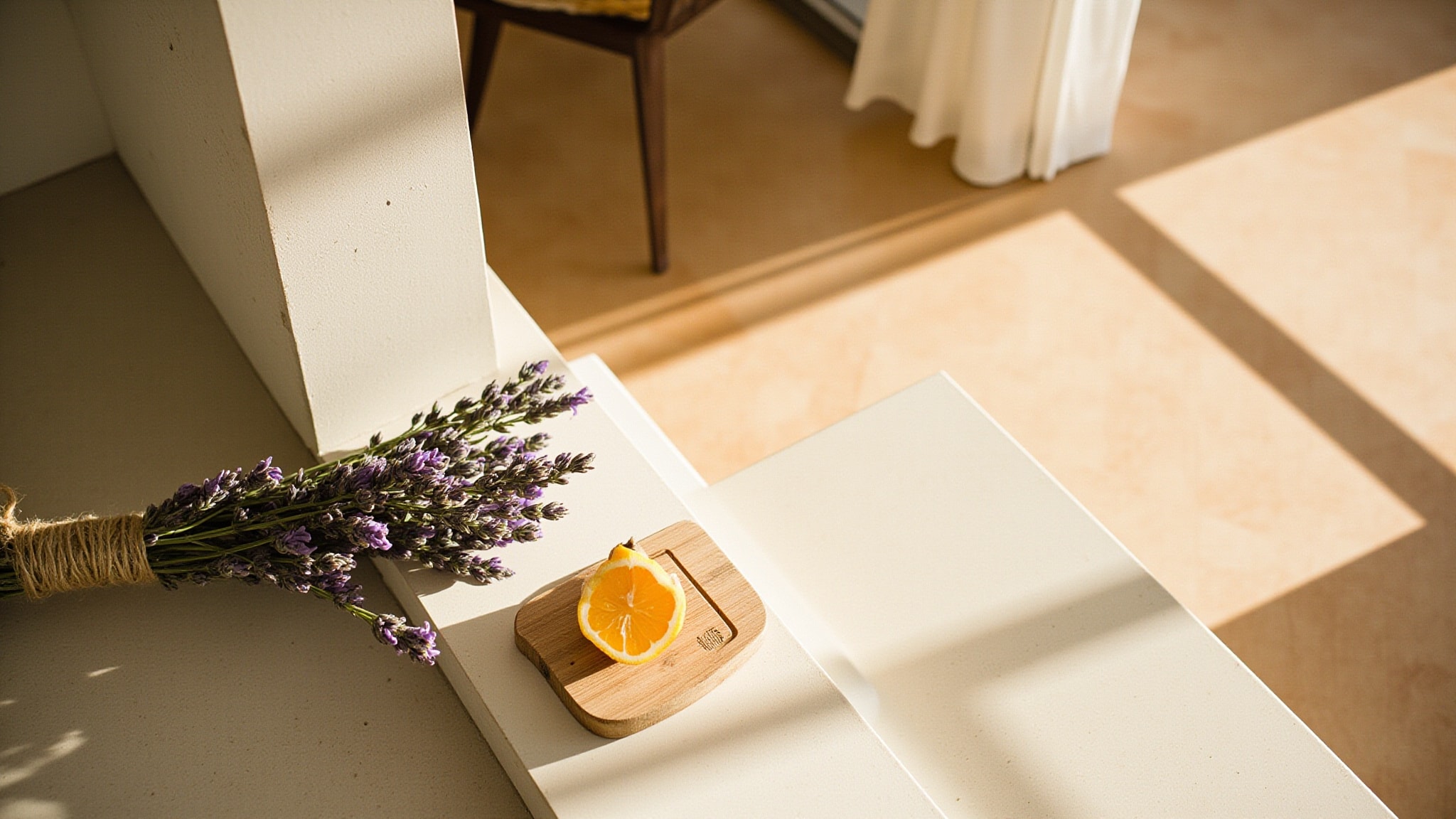
Three notes do a lot of work here. Orange sits in the middle, a juicy sweet bridge that keeps the lavender from feeling austere and the patchouli from reading too dark. The lavender on top carries the herbal lift, green and slightly mentholated, the way the plant smells when it is still on the stem. Orange weaves through that greenness, pulling it toward something softer and rounder, adding a sugary sheen that prevents the aromatic from going austere or medicinal.
The evolution
The first thirty minutes are all lavender, the clean kind that reads like soap and sheets and something botanical you can't quite place. Then orange pushes through, just enough sweetness to shift the lavender from austere to approachable, the way a slice of fruit changes a glass of cold water. Around the two-hour mark the lavender and orange start negotiating their exit, and patchouli takes the floor. Not a sharp, earthy patchouli either, more of a warm dusty presence, the kind that sits on skin like the memory of something herbal that was just there. By hour four or five the composition has settled into a soft aromatic warmth, lavender still legible underneath but no longer the loudest voice. What remains on the skin the next morning is patchouli, faint and close, a quiet reminder that something structured was worn the day before.
Cultural impact
Lavanda de Grasse entered Jequiti's catalogue in 2009. The name itself borrows the prestige of Grasse, the French town that has anchored lavender cultivation and perfumery for centuries. By carrying that name, the release reaches toward a heritage that stretches back generations, even if the composition itself is modest. There is a particular pleasure in seeing a Brazilian product reach for European provenance in this way, taking a storied place name and using it as shorthand for a kind of quiet refinement. Lavender, after all, carries weight in perfumery that few other materials can match.