
The Story
Why it exists.
The beginning
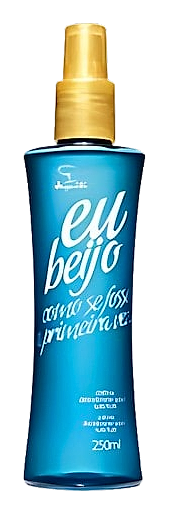
Eu Beijo arrived in 2012 as part of Jequiti's growing catalogue of accessible, personality-driven fragrances. By the early 2010s the house was releasing new compositions at a brisk pace, each tied to a feeling, a mood, a moment. Eu Beijo, which translates roughly to "I Kiss," was designed as a flirty, youthful entry, the kind of scent that doesn't ask for permission. The fragrance wears its confidence openly, leaning into sweetness and tropical fruit with the kind of unfiltered charm that feels distinctly Brazilian in tone. There's no apology here, no pretense, no attempt to position itself as anything more complicated than what it is. Eu Beijo reads like a wink across a crowded room, playful, direct, and built for the kind of moments where you want your scent to do some of the talking.
What's interesting here is the restraint disguised as abundance. Most tropical-fruit fragrances pile on a dozen notes to sound complex. Eu Beijo keeps it simple: Fruity Notes and Tropical Fruits, with no floral middle ground, no woody base to anchor it. That simplicity is the point. The accords skew fruity, tropical, sweet, fresh, and sour, five words that read like a candy menu. There's something honest about a fragrance that knows exactly what it wants to be and refuses to dress it up. In a market where every release tries to justify its price tag with layers of complexity, Eu Beijo says: this is fruit. This is fun. This is it.
The evolution
Eu Beijo opens loud. The first spray is pure tropical fruit punch, the kind of sweetness that hits the back of your nose and makes your eyes widen. It's bright, almost neon, and the fruity notes announce themselves without hesitation, vivid and immediate against the skin. Within the early minutes a sour edge begins to surface, a tartness that keeps the sweetness from going cloying. This is where the fragrance earns its keep, that interplay between sugary tropical fruit and a sharper acidic lift prevents it from collapsing into simple syrup. The opening phase eventually settles into a softer register, still fruity but rounder, the initial sharpness mellowed into something more blended and forgiving. What remains is a thinner layer of sweet warmth, a ghost of the tropical opening that clings close to skin rather than projecting outward.
Cultural impact
Eu Beijo sits firmly in the world of everyday tropical fragrances, the kind of scent you pick up because it's fun, not because it's an investment. Its position among other "Eu"-prefixed releases in the Jequiti catalogue places it alongside names like Eu Conquisto and Eu Seduzo, a naming family that ties these compositions together on the shelf. Wearers who gravitate toward Eu Beijo tend to want something uncomplicated and joyful, a scent that delivers sweetness without pretense and tropical fruit without translation.