
The Story
Why it exists.
The beginning
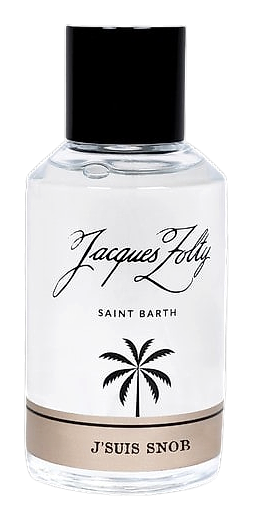
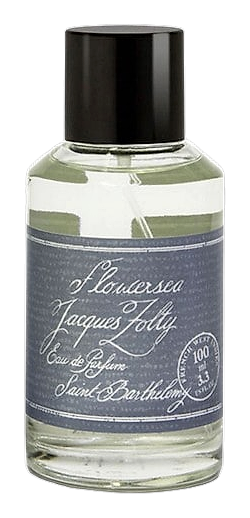
Flowersea arrived in 2015, composed by Marie Duchêne. The fragrance draws the eye inward, toward the precise moment when individual elements align. Duchêne approached the composition as a study in contrast and harmony, using frangipani as an anchor point. The resulting scent moves through distinct phases, each revealing new dimensions of the initial impression. What begins as a clean, creamy floral opens into something warmer, more layered. The composition relies on actual floral material and compositions that read that way, avoiding shortcuts that might flatten the experience. Each stage of Flowersea builds deliberately on what came before, creating a fragrance that feels both intentional and fluid.
Frangipani anchors the opening. The note carries a creamy quality, slightly narcotic in its sweetness, with a green, waxy edge that adds depth. Paired with marine notes, the combination creates something unexpected. The marine element reads cool and mineral, while the frangipani adds warmth and cream. Together they avoid the familiar territory of sunscreen or poolside cocktails. The heart introduces coconut blossom, maintaining that creamy warmth throughout. Jasmine enters the conversation without overwhelming the florals, threading through the coconut to keep the composition balanced.
The evolution
The top notes arrive quickly: marine and frangipani, salt and cream in the same breath. The opening reads clean and bright, already transitioning. Jasmine enters the conversation, threading through the coconut blossom. That's the heart, where the floral warmth holds steady. Cedar and sandalwood settle underneath, with white musk lifting everything close to the skin. The drydown brings clean, warm wood. By the end, the scent settles into something that feels both fresh and grounded, present on the skin without overwhelming the space around it.
Cultural impact
Flowersea occupies space between aquatic and tropical floral categories. The composition distinguishes itself through the quality of its materials and the coherence of its development. Larger houses often dominate these fragrance territories, but the approach here differs. Jacques Zolty's catalog has never chased volume, which means this fragrance lacks the mainstream recognition of comparable scents, but it holds its own in craftsmanship and intentionality.