The Story
Why it exists.
The beginning
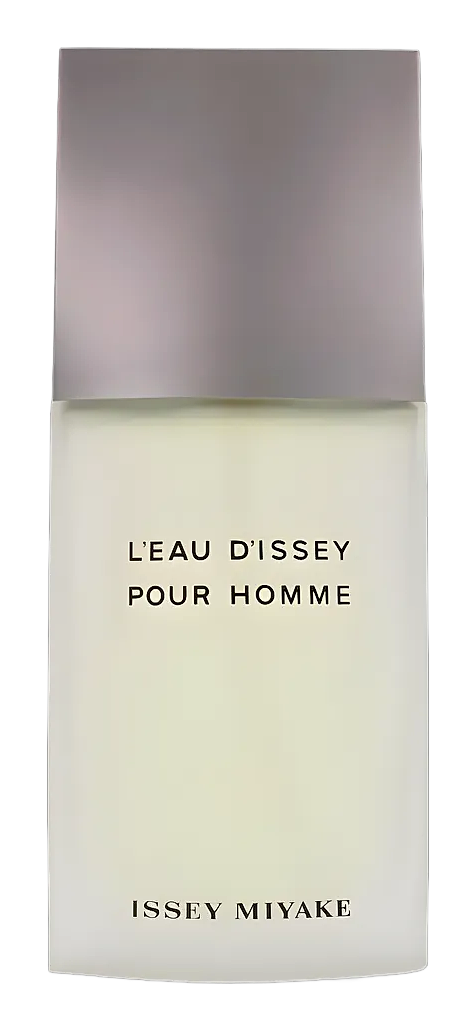
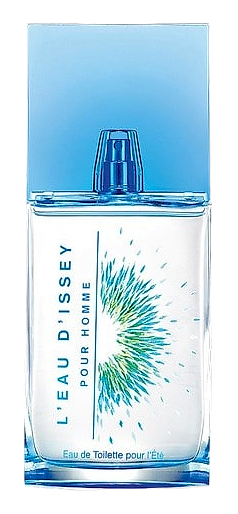
Every summer since 1992, Issey Miyake has released a limited-edition flanker of L'Eau d'Issey, a chance to rethink what the fragrance could be under different light, different heat. For 2016, the house turned to Alberto Morillas, the Swiss perfumer behind countless modern classics, and gave him one instruction: make it feel like summer. The result was this, a collector's bottle with artwork by Michelle McKinney, sold only for the season, built around a fruit that had never quite found its footing in masculine fragrance. Kiwi. Not the safe choice. But then, summer itself never is.
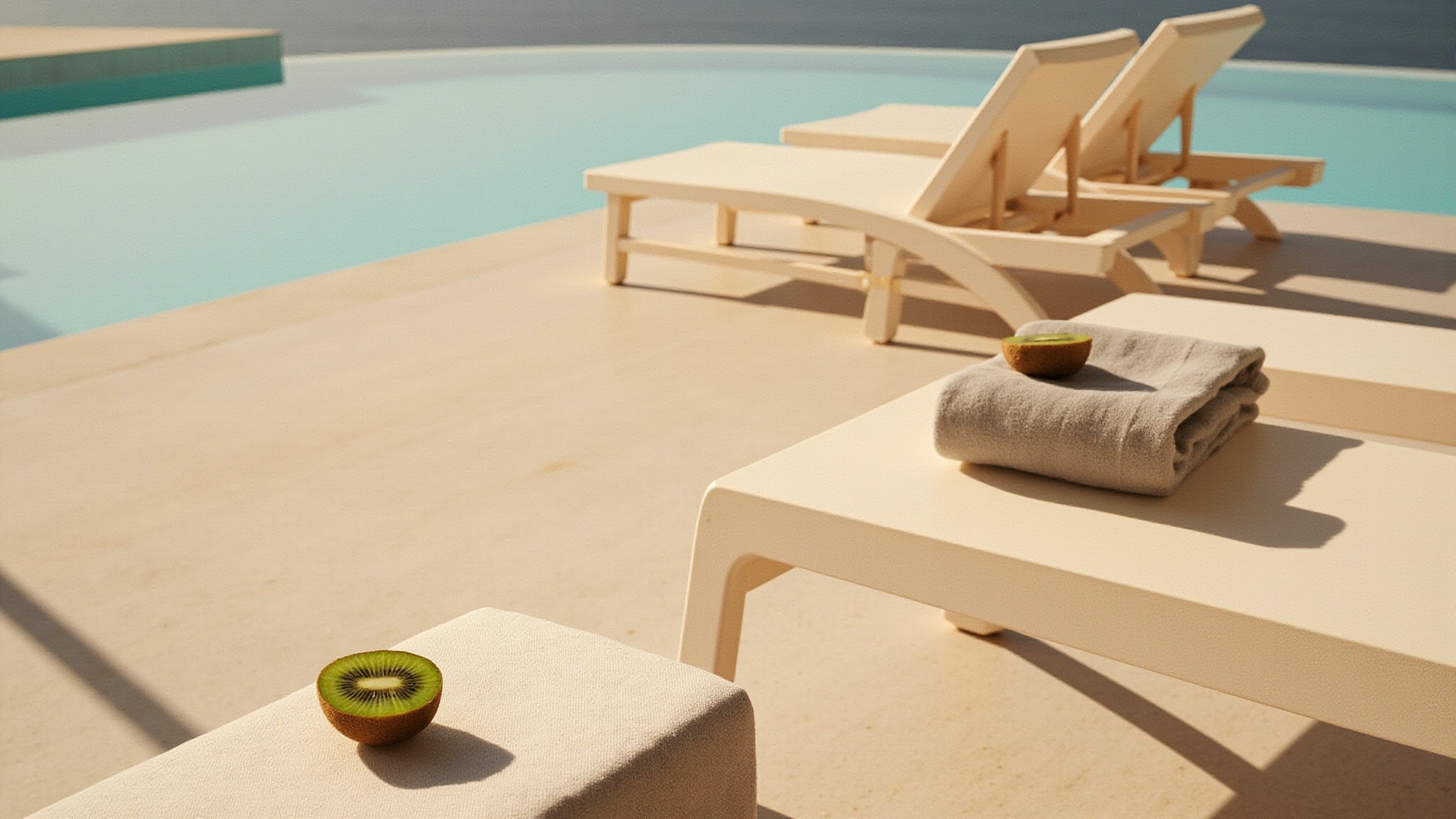
Kiwi in perfumery is unusual. It's green without being sharp, sweet without being cloying, a fruit that sits in an uncomfortable middle ground between tropical and aromatic. Morillas handles it by surrounding it with things that sharpen it: grapefruit's bitterness, coriander's herbal edge. The combination doesn't smell like the fruit you'd buy at a market. It smells like the idea of summer, bright, slightly naive, easy to love. The pineapple in the heart is more straightforward, more lush. It's warmth you can wear without apology.
The evolution
The opening doesn't creep in, it arrives. Grapefruit hits first, sharp and immediate, followed by kiwi's green tang and coriander's whisper of spice. You're aware of this fragrance within seconds of spraying. That assertiveness fades over the first hour as pineapple and nutmeg settle in, adding body without weight. The drydown is where this edition earns its keep: cypress and vetiver together create a woody dryness that lingers close to the skin for 4-6 hours on most people, never loud, never demanding attention. It simply stays.
Cultural impact
Summer flankers occupy a strange space in fragrance culture, expected, almost obligatory for major houses, yet rarely memorable. The 2016 L'Eau d'Issey Pour Homme Summer edition falls into comfortable territory: it's well-made, pleasant, and disappears from shelves without fanfare. The kiwi note was the statement piece, unusual enough to catch attention in 2016, now simply part of the summer-fruity vocabulary.