The Story
Why it exists.
The beginning
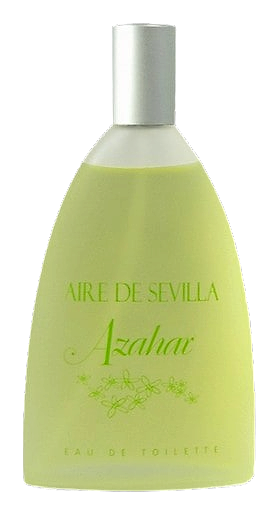
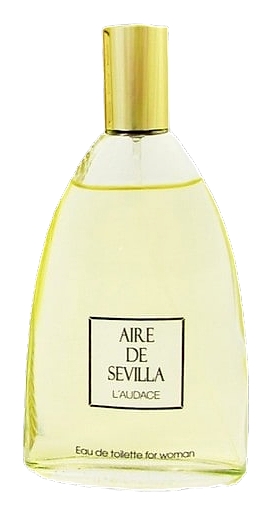
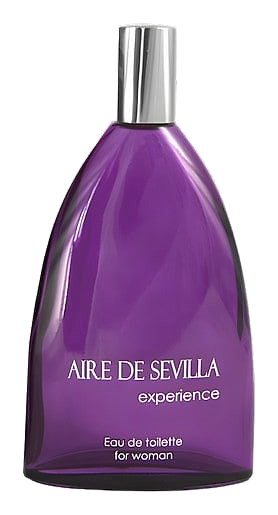
Aire de Sevilla Experience belongs to the Aire de Sevilla collection from Instituto Español, a Spanish fragrance house whose catalog draws on the visual and sensory language of southern Spain. Experience sits within that catalog as a women's fragrance built around warmth and color rather than trend, a composition that leans into the golden-hour palette of fruit, flowers, and resinous woods. The release year is undocumented, and the production was apparently discontinued, which makes finding a bottle today part of the appeal for anyone who collects discontinued Spanish perfumery. The pyramid is straightforward: pomegranate opens, lotus and orchid carry the heart, and the base rests on amber, mahogany, musk, and violet.
The combination of pomegranate with violet and mahogany is not a common one. Here, the pomegranate is anchored by violet's powdery iris-adjacent softness and mahogany's dark, quiet warmth, which keeps the opening from skewing too bright. The violet functions less as a color note than as a textural one, lending the kind of dry, almost chalky lift that prevents the pomegranate from collapsing into straight fruit syrup. Mahogany sits underneath everything else, holding the composition on a low wooden register even as the fruit shines on top.
The evolution
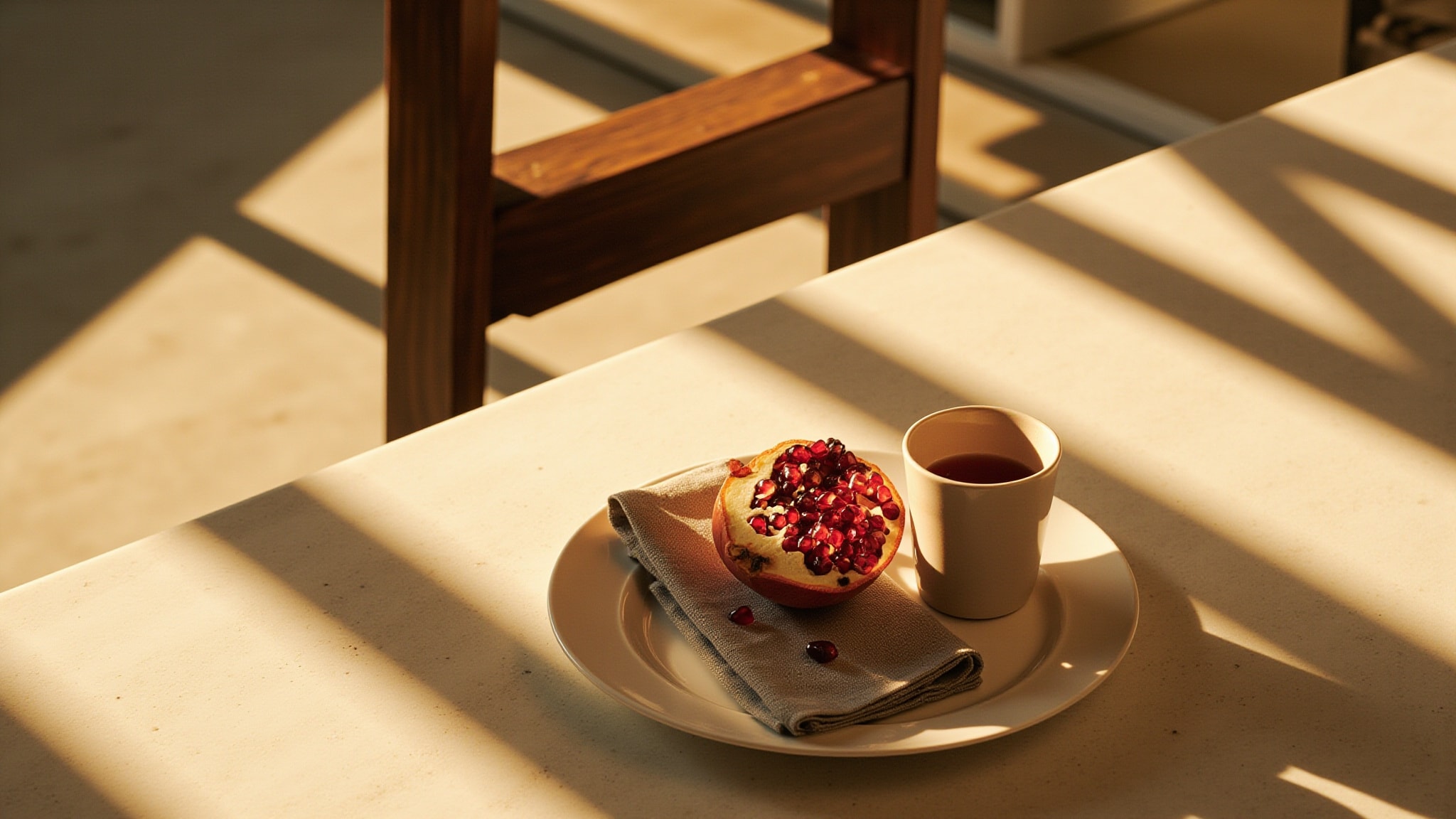
The pomegranate opens with a tart, almost wine-like brightness, the kind that suggests something freshly cut and still cold. It doesn't shout. Within the first fifteen minutes, the lotus and orchid begin to surface through that fruit, softening it into something creamier and more floral. The lotus adds a watery, almost rice-paper translucence, while the orchid thickens the texture, lending the middle a faintly waxy, almost suede-like density that sits beautifully against the cooler lotus. The pomegranate fades first, usually within the first hour, and what replaces it is a powdery, slightly green floral accord that leans toward violet even before the base officially arrives.
Cultural impact
Aire de Sevilla Experience carries the kind of quiet regional identity that Spanish heritage houses tend to do well, the sort of scent that rewards proximity rather than performance. It wears like the perfume equivalent of someone choosing fragrance for the afternoon rather than for the room, a composition that prefers to sit close to the skin rather than broadcast outward. There's an unhurried quality to the way the notes reveal themselves: the bright fruit entry, the cool floral lift of lotus and orchid, the eventual settle into mahogany, amber, musk, and violet.