
The Story
Why it exists.
The beginning
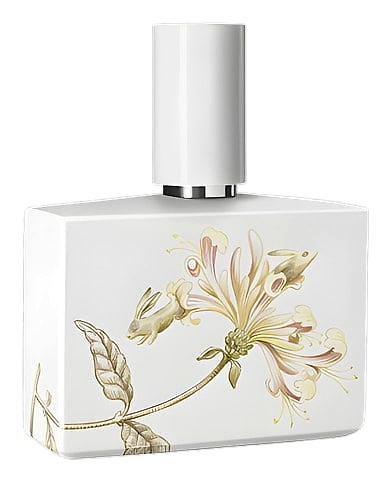
Geste came together in 2011, the same autumn Humiecki & Graef commissioned four of their existing compositions to be reissued in hand-painted white porcelain flacons. The project paired the house with Wouter Dolk, a Dutch artist who designed the bottles for this edition, and with Kämmer, a traditional porcelain maker in Thuringia. Only 125 bottles were produced for each scent, and Geste was given honeysuckle as its symbolic flower. The numbering made each flacon its own object, a small ceramic sculpture that happens to hold scent rather than something designed primarily as a vessel. The matte white surface catches light unevenly, absorbing it in places and reflecting it in others, so the bottle shifts character depending on where you place it in a room.
What makes Geste unusual is its restraint with materials that usually run loud. Fir resin, the kind that comes from conifers in colder forests, sits alongside violet and amber without either dominating. The fir resin offers a dry, almost piney bitterness at the opening, then pulls back to let the violet's powdery iris-like quality come through. As the hours pass, the amber wraps around both, warming the composition without pushing it into syrup. The violet and the fir continue to peek through the amber's sweetness, keeping the whole thing balanced rather than collapsed into a single gesture.
The evolution
The opening belongs to violet and the green edge of fir resin, reading cool, slightly bitter, the kind of introduction that makes you check your wrist twice because something is already different. Honeysuckle arrives in the heart, sweet and creamy, but it never tips into the syrupy territory the note is known for. The musk underneath keeps it lifted and adds a skin-like softness that keeps the sweetness honest rather than confectionery. There is a green, almost dewy quality in the first phase that grounds the composition in something vegetal before the florals fully arrive. As the hours pass, the amber takes the structure, warm and resinous, and the violet recedes into something more like skin than flower, a soft powdery trace rather than a clear note. The fir resin stays the longest, holding its green character even when the other notes have softened.
Cultural impact
Geste sits within Humiecki & Graef's own catalogue on the more floral, powdery end, alongside Clemency, and reads differently from their other compositions. The 2011 porcelain edition makes it a collector's piece more than a daily wearer, given the limited run of 125 bottles and the fragility of the hand-painted ceramic. The numbered flacon gives it a different status from a standard release. In a fragrance world where bottles are often treated as disposable containers, the porcelain edition insists on objecthood, on something meant to remain on a shelf long after the juice is gone. The scent itself supports that gravity.