
The Story
Why it exists.
The beginning
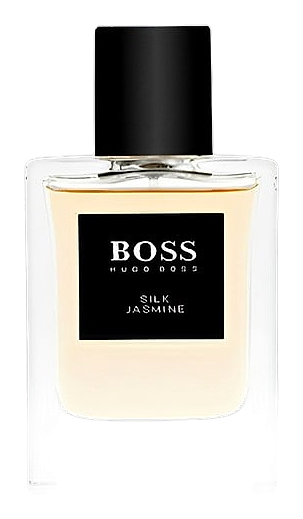
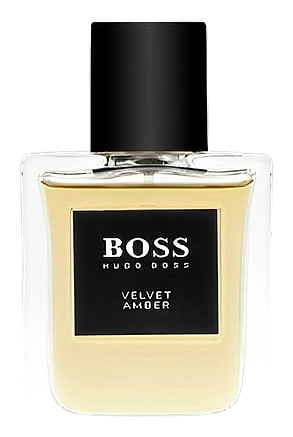
In 2011, Hugo Boss introduced The Collection, five fragrances built around the tactile language of tailoring. Cotton & Verbena. Silk & Jasmine. Wool & Musk. Velvet & Oriental. Cashmere & Patchouli. Each one was an attempt to translate fabric into feeling, to give the Boss man a scent that matched the weight and texture of what he wore. Velvet & Amber was the Oriental statement of the line, the one meant to carry the most warmth, the most presence, the most weight. The name itself is the concept: richness you can almost touch.
The note structure strips away everything unnecessary. Three materials, resin, vanilla, amber, doing the work that lesser compositions spread across ten. What makes it work is the balsamic quality running through the heart. Balsam isn't sweetness in the abstract; it's sticky, warm, almost medicinal in its intensity. When combined with vanilla's creaminess, it creates something that smells like comfort without smelling like dessert. Amber ties it together, providing the ambergris-like depth that makes the whole composition feel expensive rather than edible.
The evolution
The opening arrives warm and immediate. Amber floods in, golden, resinous, with a slight medicinal edge that reads as confidence rather than clinical. Within minutes, the balsamic heart emerges. This is where the complexity lives: the resinous quality shifts and sweetens, and vanilla begins its slow integration, turning the composition softer and more intimate. The transition isn't dramatic, there's no jarring hand-off. It simply becomes warmer, softer, more familiar to the person wearing it. By the drydown, the fragrance has settled into something skin-close and persistent. Creamy vanilla and resinous base notes create a warm, almost tactile presence that lingers for hours without announcing itself. On fabric, it becomes a ghost of the original, still warm, still present, but quieter. The evolution is a story of restraint becoming conviction.
Cultural impact
Velvet & Amber occupies a specific niche within the Hugo Boss lineup: the warm, Oriental alternative to the house's more conventional masculine waters. It arrived in 2011 as part of a five-fragrance collection designed to mirror the brand's tailoring heritage. Since Hugo Boss moved its fragrance division to Coty Inc. in 2016, The Collection has remained a quieter corner of the brand, less mainstream than Boss Bottled, more wearable than the house's bolder releases. The fragrance appeals to men who want warmth without sweetness, presence without projection, and the kind of quiet confidence that doesn't need to fill the room.