
The Story
Why it exists.
The beginning
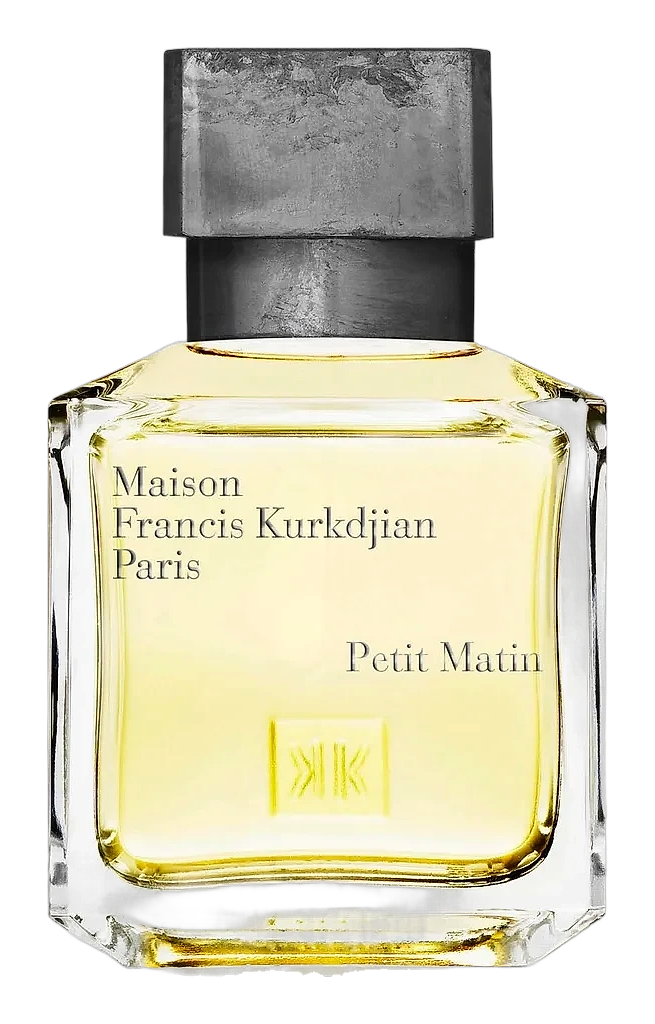
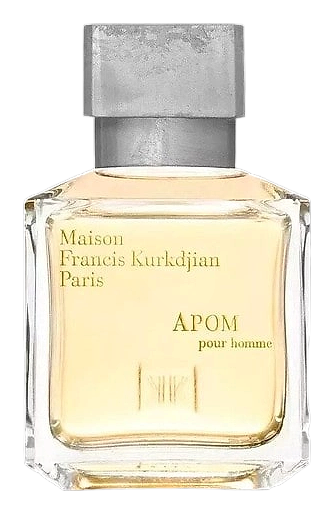
APOM stands for 'A Part of Me', a title Francis Kurkdjian chose deliberately. The fragrance was born from his travels through Lebanon, where the bitter orange tree grows wild and fragrant along the coastline. He brought that memory home and translated it into something wearable: a masculine scent that treats white florals not as a feminine indulgence, but as a structural material worth building around. Kurkdjian has composed iconic fragrances for major houses, but APOM is personal. It's the one that carries his name, not someone else's. The 2009 launch positioned the fragrance as an olfactory statement about identity, what you choose to wear says something about who you are. Orange blossom as a masculine note was less common then. Kurkdjian made it inevitable.
The pyramid is unusually sparse: orange blossom, amber, cedarwood. That's it. No spice layer, no fruit accord, no smoky base to complicate things. The result is a fragrance that wears its minimalism as confidence, not limitation. By centering orange blossom so directly, not buried under a dozen supporting notes, the composition lets the material speak at full volume. The sweetness is creamy, the bitterness is green, the animalic undertone surfaces naturally from the orange flower absolute rather than being injected as skatole. Cedarwood bridges the gap between floral and woody, keeping the drydown coherent. The restraint is the point. Four ingredients, one complete idea.
The evolution
Tunisian orange blossom opens the performance, bitter, green, almost citrusy. It announces itself for the first twenty minutes with an intensity that signals confidence, not loudness. Then the African Orange Flower enters the heart, sweeter and warmer, taking the floral in a creamier direction while amber adds body underneath. Cedarwood settles in alongside, preventing the heart from going too soft. By the third hour, the heart has fully formed and the drydown begins its slow hand-off. Virginia cedar takes over completely, dry, clean, faintly warm. This is where APOM Homme earns its reputation. The cedar doesn't just linger; it defines the final act. Eight to ten hours is typical on most skin, projecting close but refusing to disappear. The next morning, a faint cedar-and-amber trace remains on fabric, the last word in a long, composed sentence.
Cultural impact
APOM Pour Homme arrived in 2009 as a counterargument to the decade's prevailing masculine scents, the aquatic masses, the spicy chypres, the leathers and tobaccos that dominated men's fragrance. Where others announced power, APOM proposed elegance. Where others projected, APOM whispered. The reception was immediate: wearers who had never considered white florals in a masculine context found something in the orange blossom that felt neither feminine nor soft, just correct. The fragrance found its audience through blogs and fragrance communities before social media, earning loyalty the slow way: one skin test at a time.