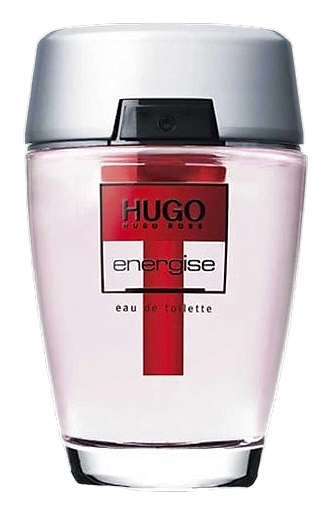

The Story
Why it exists.
The beginning
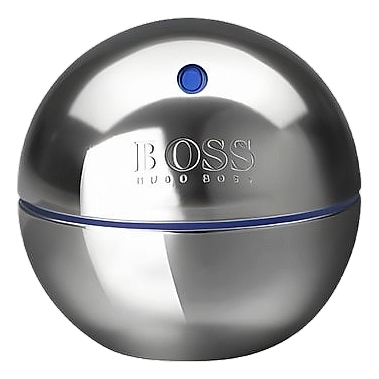
The Boss in Motion line arrived in the early 2000s, built for a man in perpetual movement. By 2007, the fourth edition pushed the concept further, not just active, but aware. The creative brief called for something that could keep up with a full day without dissolving into background noise. Tea became the unexpected solution. Not as a novelty accent, but as a genuine heart note, something the Boss in Motion line hadn't explored before. Cardamom was added to give it warmth, to keep the green tea from reading as cold or detached. The result was a fragrance that felt familiar to the Hugo Boss man but sharper, with a complexity that rewarded closer attention.
What makes the composition work is the way the tea note doesn't behave like tea usually does in perfumery. Here it leans warm, almost nutty, thanks to the cardamom alongside it. The violet leaf in the opening keeps everything green and ozonic, that fresh quality that prevents the spice from getting heavy. By the time cedar and sandalwood arrive in the drydown, the fragrance has traveled from sharp citrus to aromatic spice to soft wood, and the progression feels inevitable rather than calculated. It's a structure that suggests confidence without announcement, which is exactly what the Boss in Motion man would want.
The evolution
The opening announces itself clearly, orange's juiciness cut with violet leaf's green snap. Two minutes in, the citrus softens as the cardamom-tea duo moves forward. For the next two to three hours, the fragrance lives in that aromatic-spicy space, neither fully fresh nor fully warm. The cedar begins to show around the thirty-minute mark, threading through the heart. By hour four, sandalwood and patchouli take over, and the tea fades without disappearing entirely, it stays as a quiet warmth beneath the wood. The patchouli lingers closest to the skin through hour six or seven, close enough that you have to lean in to find it.
Cultural impact
Edition IV developed a cult following among fragrance enthusiasts who found it more interesting than the core Boss line. The tea-cardamom combination stood apart from the house's typical aromatic and fougère structures, earning praise from those seeking something with more complexity beneath its clean surface. Its discontinuation only sharpened the appeal, a Hugo Boss fragrance that rewards the search.