The Story
Why it exists.
The beginning
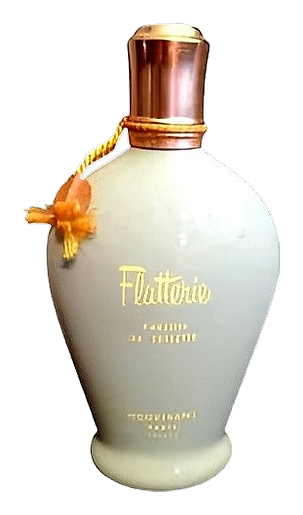
Flatterie arrived in 1955 from Houbigant, a house with roots deep in French perfumery. By the mid-1950s, the maison had built a catalogue that ran from courtly florals of earlier centuries to the fougère compositions that defined modern masculine perfumery. Flatterie sat firmly in the feminine register, a floral-powdery composition built on white flowers, iris, and amber. It was Houbigant doing what Houbigant did best, quietly and without fanfare, offering a refined expression in an era crowded with bolder, more dramatic florals on perfume counters. The name itself, Flatterie, evokes flattery, charm, the gentle art of persuasion. A scent designed not to overwhelm, but to win you over slowly, like a whispered compliment that stays with you.
What makes Flatterie distinctive is its restraint. The composition stays in the orris-and-amber territory, built on powder and warmth rather than narcotic excess. Iris, that notoriously difficult root, anchors the whole thing, giving it a softness that sits close. The white flowers provide lift without weight, and the amber base keeps everything grounded and close to skin. It's a study in elegance that doesn't try too hard, the kind of composition that rewards attention without demanding it.
The evolution
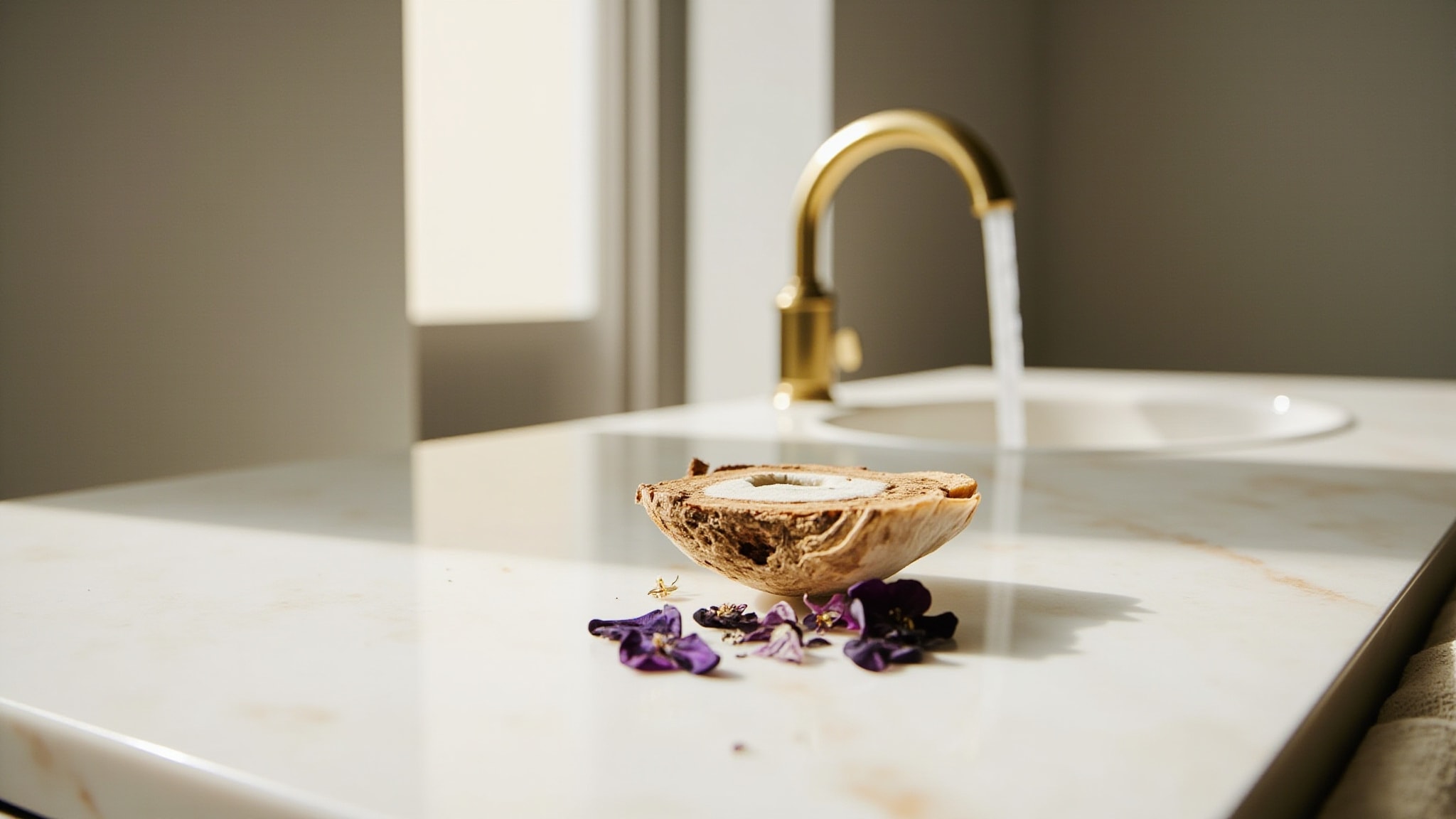
On skin, Flatterie opens with a clean, almost soapy brightness, the white flowers reading as something between lily and soap, fresh and diaphanous. The iris gradually takes over, that powdery orris root warming up from cool root into something more lived-in. The amber surfaces in time, adding a soft, resinous warmth underneath the powder, and the whole composition settles into what one reviewer called 'a vase of white lilies in a bathroom so you can smell the soap.' As the hours pass, the florals fade, leaving behind the amber-orris base, close to skin, quiet, almost intimate. The drydown lingers as a skin scent, a warm trace rather than a performance. It's the kind of fragrance that doesn't announce itself on entry but stays close throughout the day.
Cultural impact
Flatterie occupies a quiet corner of mid-century French perfumery, the kind of composition that earned a loyal following among those who preferred their florals understated. Discontinued but still circulating through vintage channels, it appeals to collectors and curious noses drawn to the powdery, orris-driven style that defined the 1950s. In an era where bold, projection-heavy fragrances dominate the market, Flatterie reads as a counterpoint, proof that charm and old manners still have a place on the dressing table.