The Story
Why it exists.
The beginning
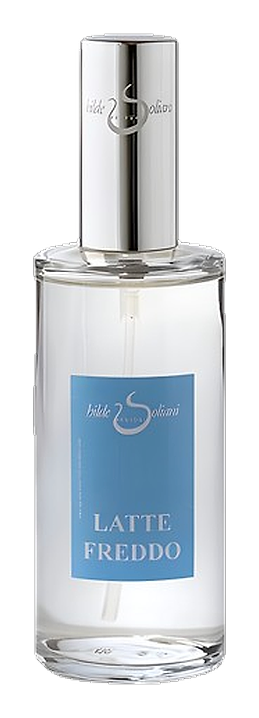
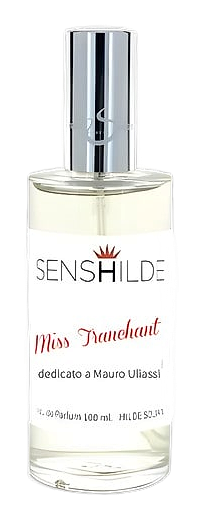
Clementissima is a letter, not a launch. Hilde Soliani dedicated it to her mother, and you feel that intimacy in every accord. The name carries the softness of something cherished, the kind of word a family might keep for someone beloved. Soliani, the Parma-based artist, treats perfume as a medium for personal expression. Some of her compositions are gourmand, some are bold, some carry a theatrical streak. This one feels like a Sunday. Green from the garden, citrus from the fruit bowl, a splash of something stronger because the family is together. Clementissima wears its devotion lightly. It does not ask for attention. It is the scent of a woman who taught her daughter that perfume could be play. There is a generosity in the way the notes open, a willingness to share rather than perform.
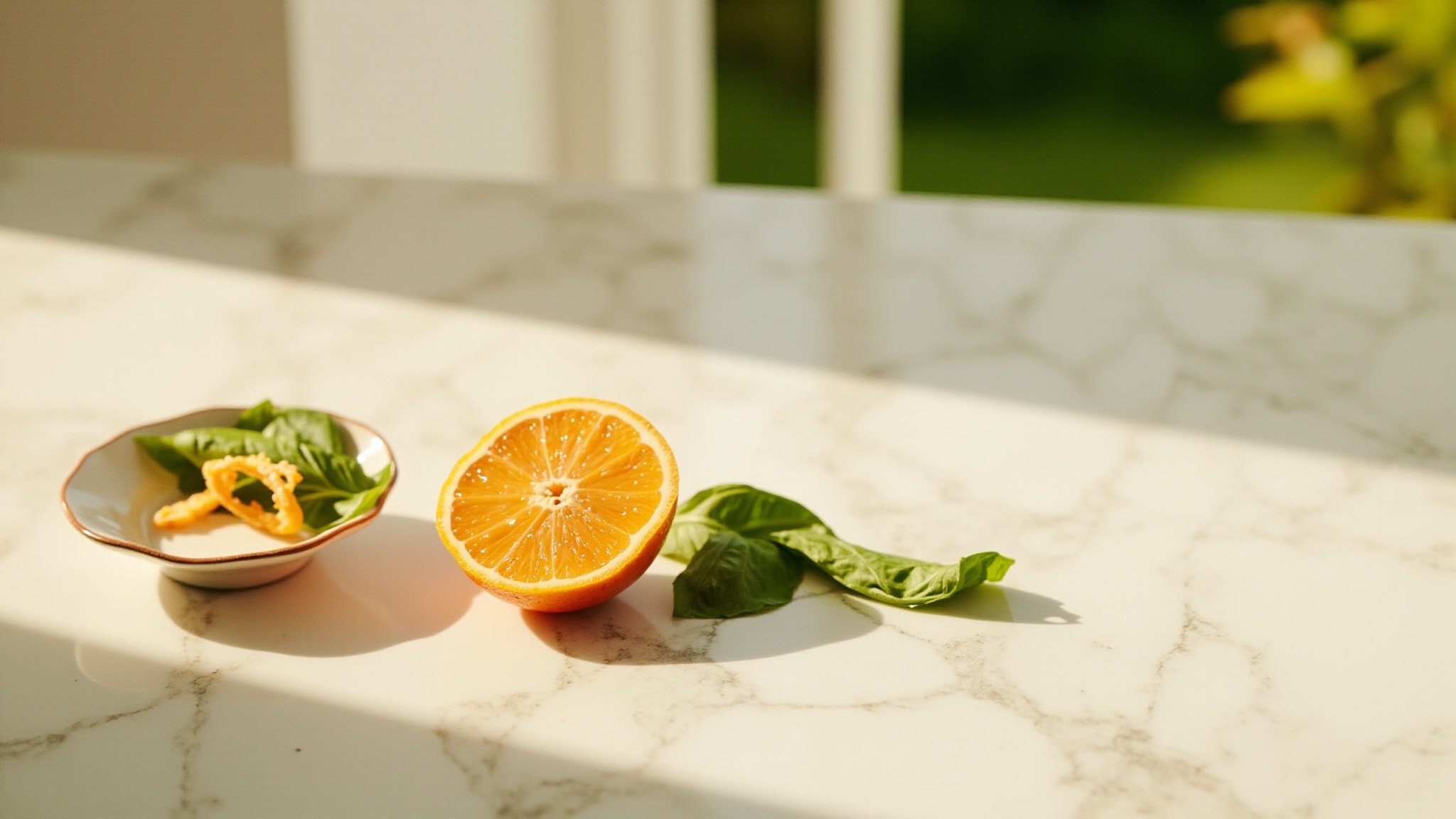
What makes this composition interesting is how few notes it carries, and how much each one does. Tomato leaf is a green material most perfumers use as a whisper. Here it leads. Paired with basil, two of the most aggressive herbs in the kitchen, it creates a vegetal sharpness that should feel aggressive but instead feels clean. Then the clementine arrives, sweet but with pulp-bitter edges, and the sorbet note does what sorbet does between courses. It resets the palate. The thread of liquor underneath is the move that separates Clementissima from the dozens of citrus-aromatic releases crowding the niche shelves. It is not a cocktail.
The evolution
The first 20 minutes are almost startlingly green. Tomato leaf and basil arrive together, sharp and aromatic, the olfactory equivalent of pulling back a curtain onto a garden in full sun. Clementine arrives not as juice but as cold fruit, a segment held between fingers, the zest still on the thumb. The sorbet note pulls everything down to a cool, clean temperature. There is no syrup here, no sweetness that sticks. About an hour in, the liquor thread begins to surface. It is not rum, not amaretto, something herbal and bittersweet, the ghost of a digestif sipped after a long lunch. The basil lingers longest, drying down to a soft, hay-like green that stays on skin well into the evening. By the time night falls, the composition has lost its edge and become something quieter, like the kitchen after everyone has gone home.
Cultural impact
The dedication to her mother situates it in the lineage of personal tributes that punctuate indie perfumery, where a single scent can carry a family resemblance. Clementissima speaks in a register that feels distinctly Italian without leaning on stereotype. It is the warmth of a tiled kitchen, the clatter of espresso cups, the particular quality of light through linen curtains. The fragrance trusts its audience to recognize that perfume can be a form of correspondence, a way of saying something that words alone cannot carry. The clementine note reads as memory rather than ingredient, the basil as inheritance rather than herb.