
The Story
Why it exists.
The beginning
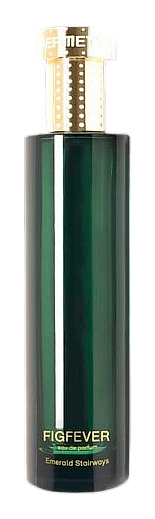
Philippe Paparella-Paris designed Figfever in 2021. The concept centered on fig, but not the fruit, it was the leaf that mattered. Fig leaf smells nothing like fig. It smells like the plant itself: green, slightly milky, with an edge that most compositions strip out in favor of sweetness. Paparella-Paris kept it in. Combined it with blackcurrant's tartness and let bergamot do the bright, sharp work up top. The top notes introduce a crisp citrus brightness that quickly transitions into the deeper green of the leaf. Blackcurrant adds an acidic tartness that prevents the composition from becoming too soft or creamy. The result was a fragrance that didn't smell like any other fig on the market, because it wasn't trying to.
What makes Figfever's structure work is the absence of vanilla or cream in the base. Most fig fragrances lean sweet, this one leans green and woody instead. The cardamom and cinnamon in the heart add warmth without sweetness, a kind of spice that sits quietly under the fig leaf rather than fighting it. Moss and vetiver then pull the whole composition down toward earth, not soil, not forest, just clean, cool green that lingers close to the skin. It's a fragrance built on restraint in a category that usually prioritizes richness.
The evolution
The opening arrives in seconds, bergamot, blackcurrant, a flash of mandarin that doesn't linger. Within ten minutes, the fig leaf takes over and holds. This is a fragrance that doesn't believe in waiting. The heart phase, cardamom warming against the cool green of the leaf, develops over the next two to three hours, the most distinctive window of the entire wear. Cinnamon appears in the background, not loud, just present enough to keep the green from turning sharp. The base is where it settles quietly: moss and vetiver close to the skin, patchouli adding depth but never darkness. Six to eight hours later, what's left is soft, woody, intimate. The kind of drydown another person in the same room might catch when you move.
Cultural impact
Figfever sits outside the usual fig fragrance conversation. Where most fig scents lean into sweetness and cream, this one centers on the green leaf, the part of the plant that carries the plant's own scent rather than the fruit's softness. The opening notes blend blackcurrant's tartness with bergamot's brightness, creating a composition that feels fresh and almost acidic. This is not the sharp ozonic green of earlier decades, nor the sweet creamy fig that dominated the 2010s. The fragrance sits closer to the skin, cooler in temperature, developing with a quiet confidence that doesn't announce itself across a room.