
The Story
Why it exists.
The beginning
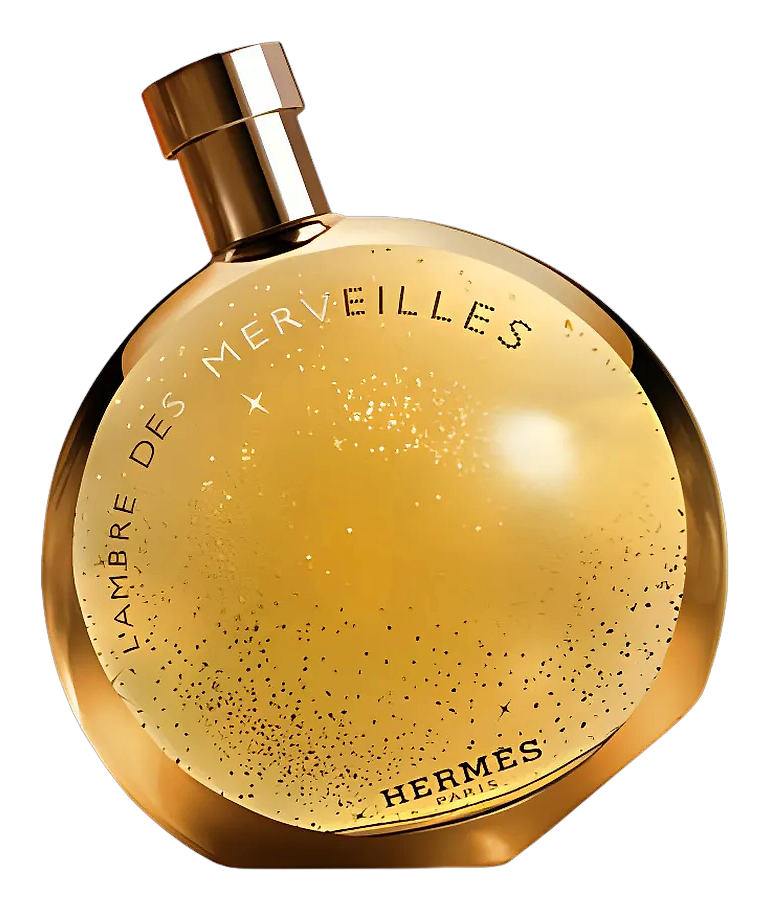
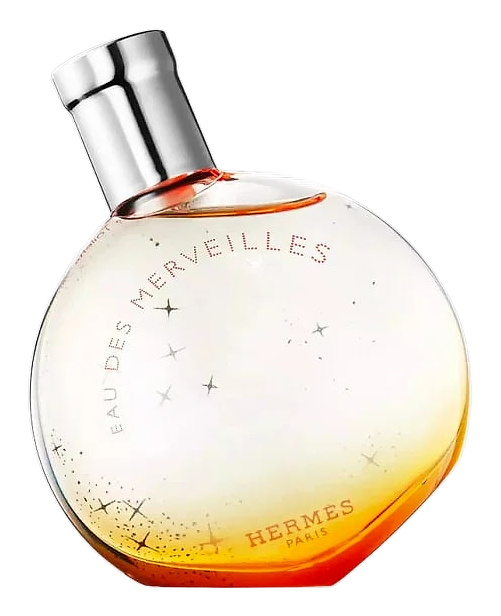
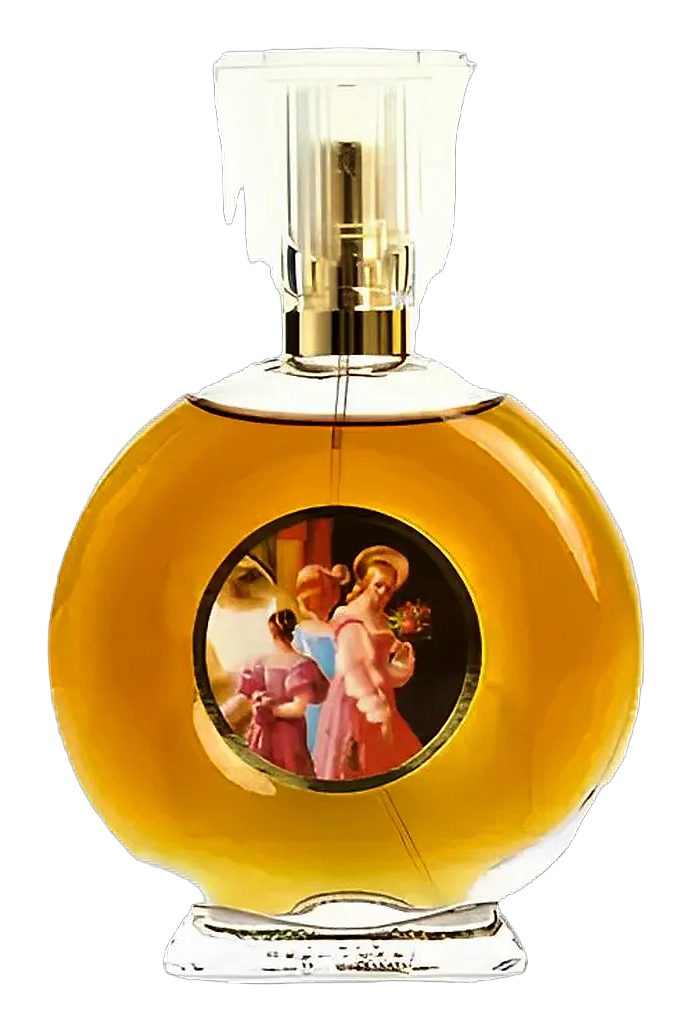
Parfum des Merveilles arrived in 2005, composed by Jean-Claude Ellena and Ralf Schwieger as a denser expression of the house's beloved Merveilles concept. The 2006 limited edition kept the same juice but changed everything else, pouring it into a Saint-Louis cristal bottle, handblown and numbered, turning scent into sculpture. Ellena had already established his philosophy of suggestion and restraint at Hermès. Here, working with Schwieger, he built something that feels both concentrated and airy, full presence, no noise.
What makes this composition unusual is its structural tension between luminous citrus and earthy oakmoss. Most oriental fragrances lean sweet or spicy; this one opens bright, almost sparkling, then introduces a green, mossy quality that feels more northern European than Mediterranean. The oakmoss isn't decorative, it drives the heart. Patchouli and cedar ground it, but the moss keeps things slightly damp, slightly cool, until amber and peru balsam finally tip the balance toward warmth. It's a composition that asks you to wait.
The evolution
The citrus opening lasts longer than expected, fifteen, twenty minutes of bergamot and something almost neroli-like before the cedars arrive. Those cedars arrive quietly, not as a wall but as a suggestion. The oak and oakmoss come next, and this is where opinions split: the moss reads green, almost forest-floor, with a faint medicinal edge that recalls vintage chypres. Then the base opens, amber thickens, peru balsam adds a resinous sweetness, and the cognac note brings a warmth that finally softens the moss. The drydown lasts moderate hours on most skin, settling into something close, intimate, that smells like the memory of a room rather than the room itself.
Cultural impact
Parfum des Merveilles 2006 occupies a particular corner of Hermès history: discontinued, collector-sought, and often misunderstood. The Saint-Louis cristal bottle made it a display piece before it was a scent. Among Ellena's work, it sits at the more structured, assertive end, less watercolor, more architecture. Wearers who connect with the oakmoss tend to become devoted; those who find it too green or medicinal move on. That divisiveness, combined with its rarity, has made it something of a collector's legend in Hermès circles.