The Story
Why it exists.
The beginning
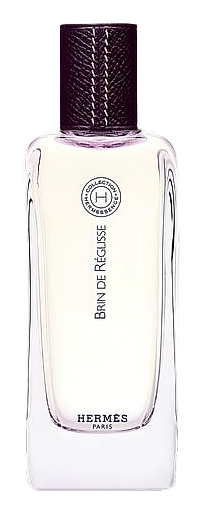
Jean-Claude Ellena wanted to make lavender interesting again. Not the lavender of sachets and soaps, the real thing, the herb's aromatic soul, not its decorative cousin. His choice for Brin de Réglisse was licorice, another plant with deep anise DNA, another ingredient that smells like the South of France if you know where to look. The name means a sprig or wisp of licorice, delicate and light, a thread rather than a block. That's the whole fragrance in a title: licorice as a ribbon tying lavender's brightness into something that stays with you. Ellena had been building the Hermessence collection since 2004, each fragrance conceived as an olfactory haiku, concentrated, suggestive, operating on precision rather than force. Brin de Réglisse was his argument that two plants from the same olfactory family could become more than the sum of their parts. It launched in 2007 as part of a house known for quiet confidence and absolute refusal to shout.
The interesting thing about lavender and licorice isn't the contrast, it's the kinship. Both contain anethole compounds that give them that cool, slightly sweet, unmistakably aromatic quality. Most fragrances keep them separate: lavender goes into fougères and men's bases, licorice goes into anniseed and gourmet accords. Brin de Réglisse puts them in conversation. Ellena pushed the licorice toward matte black, not red licorice candy. The dry, slightly smoky quality of real licorice root, not the sugared strip you'll find in a sweet shop. That's the mischief in the official copy, the 'mischievous reconstruction' of a Provençal symbol.
The evolution
Opens with a burst of bright, aromatic lavender, the kind that hits you before you see the field. Clean and herbal, with an immediate warmth underneath. Within minutes, the licorice arrives. Not sweet. Not sticky. Matte black, slightly bitter, folding into the lavender's coolness like a dark ribbon through pale fabric. The heart phase brings the hay forward. Now the composition smells like the landscape, not just the plants, that dry, warm, slightly dusty quality of Provençal summers. The lavender doesn't disappear; it deepens, taking on the herbal complexity of the hay. The licorice persists but softens, becoming a warm undertone rather than a dark accent. The drydown is gentle. What remains on skin hours later is the quietest possible version of lavender, still aromatic, still present, but intimate. Close enough that whoever's standing beside you might notice before you do. On fabric, the hay lingers longest, keeping the memory of that August field alive into the next day.
Cultural impact
Hermessence Brin de Réglisse occupies an unusual position: a discontinued Hermès fragrance that collectors seek out specifically because it's hard to find. The 2007 release showed Ellena's range, lavender, one of perfumery's most familiar materials, made strange and personal through licorice's dark warmth. It appeals to the wearer who doesn't need a fragrance to announce anything. The combination polarizes: some find the licorice too medicinal in the opening, others find it exactly the counterweight lavender needed. Either way, it rewards attention.