The Story
Why it exists.
The beginning
Douglas Little built Heretic on a refusal. He made that label his brand identity. Dirty Grapefruit arrived in 2020 as a direct challenge to what citrus is allowed to be. The name is the thesis: take something bright and familiar, then refuse to keep it clean. The grapefruit wasn't just a top note here. It was the whole argument. Little sourced botanical ingredients with the same scrutiny a winemaker applies to terroir, soil, climate, harvest conditions leaving their mark on the final bottle. The combination of sharp citrus, herbal florals, and grounding woods creates something that refuses to resolve into comfortable territory. There's a brightness that cuts rather than comforts, a bitterness that lingers rather than fades. The fragrance makes no apologies for what it is.
What makes this composition unusual is the refusal to resolve. The grapefruit zest arrives sharp and tart, that immediate hit of pith and essential oil that reads almost bitter. Then the composition splits. Damask rose enters with a wet quality that some find unexpected. Geranium adds an herbal edge that some wearers find confrontational at first. Meanwhile, black tea grounds everything with an astringent dryness that keeps the florals from going soft.
The evolution
The first ten minutes belong entirely to pink grapefruit. Not the sweet, candied grapefruit of mainstream citrus, this one has pith, has bitterness, has weight. Orange and lemon arrive as backup singers, brightening the chord without changing the key. Around the thirty-minute mark, the geranium makes its move. The floral heart doesn't smell like roses in a gift shop. It smells green and unexpected, and it crashes into the citrus like a door opening onto an unexpected room. The damask rose appears softer than expected, almost damp in its presentation. Then the black tea surfaces, not sweet, not milky, just dry and slightly bitter. It slows everything down. The drydown is where vetiver and cedar take over, and this is the part people remember. The vetiver smells like wet earth, like the mineral part of rain, while the cedar adds a quiet woodiness that stays close to skin for hours.
Cultural impact
Dirty Grapefruit occupies an interesting position in niche fragrance culture. The grapefruit-forward structure initially attracts wearers looking for something brighter than typical niche fare, while the botanical heart and base reward those who stay with it. Among Heretic's offerings, it's often the entry point for new converts who arrive via the brand's provocative branding and stay for the botanical authenticity. The fragrance performs best in warmer months and daytime settings, where the citrus can read clearly without competing against heavy weather.
The House
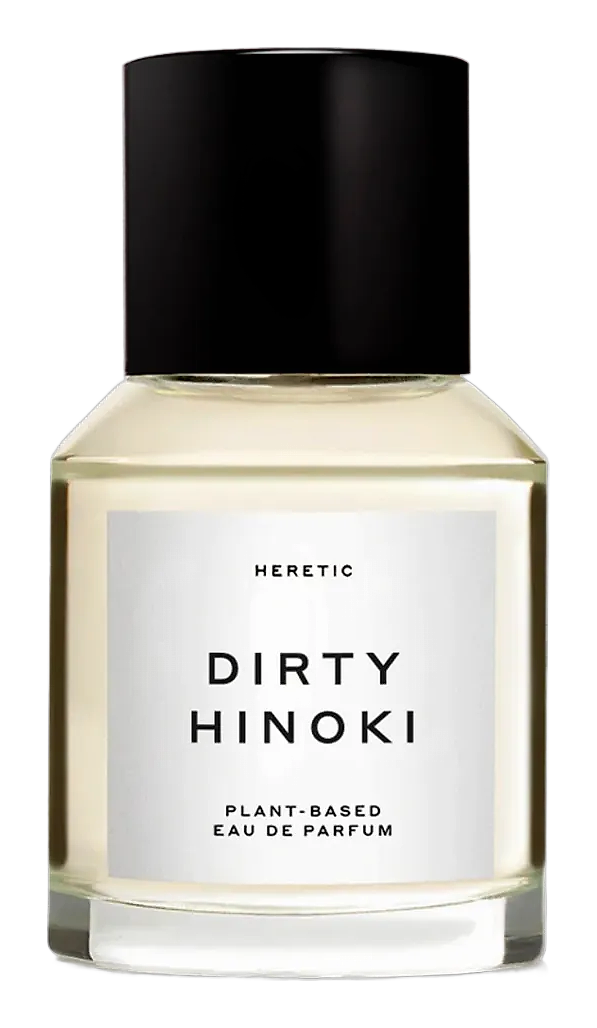
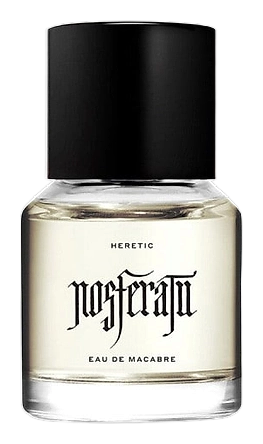
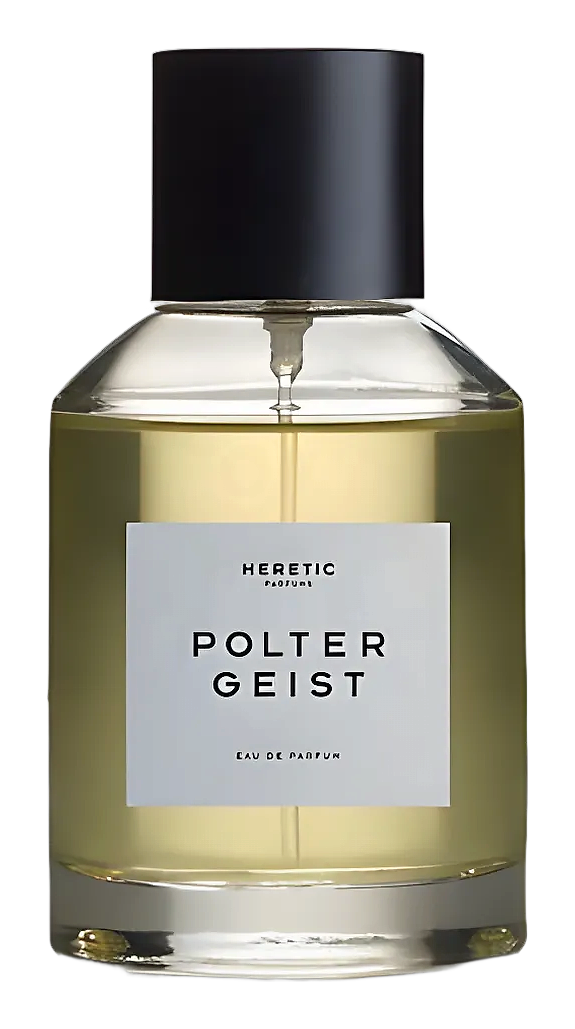
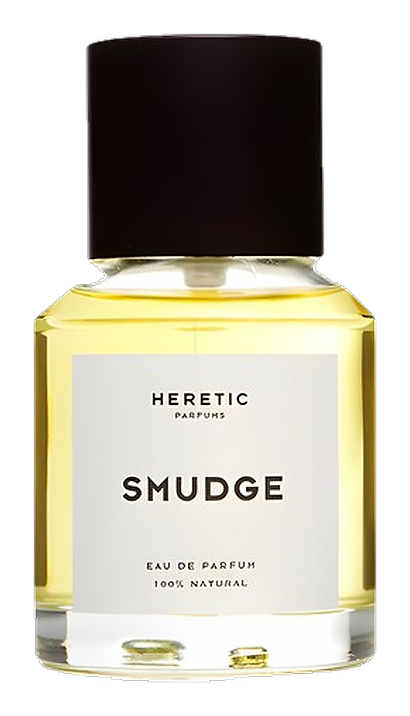
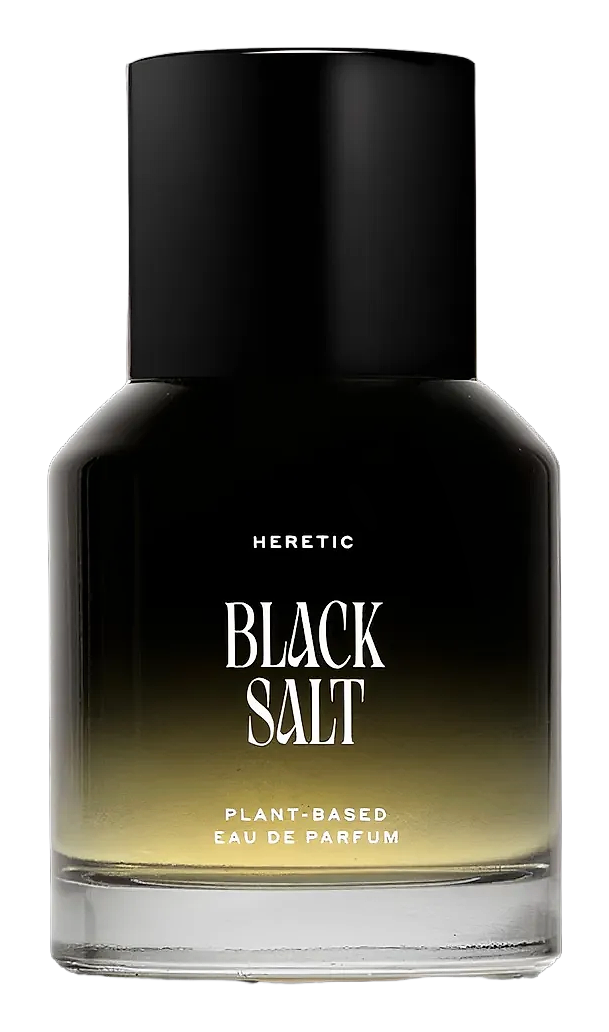
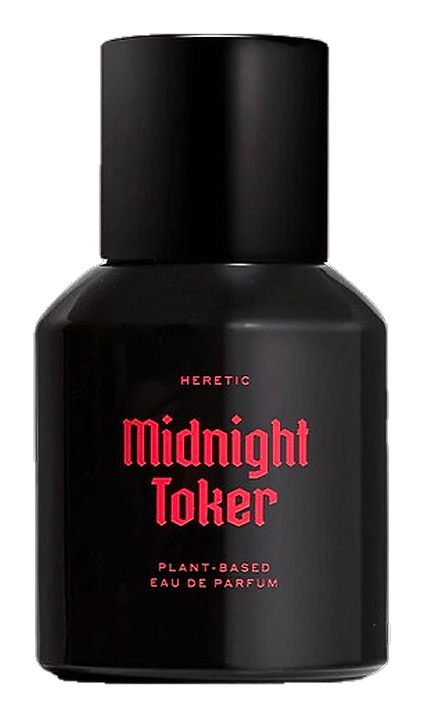
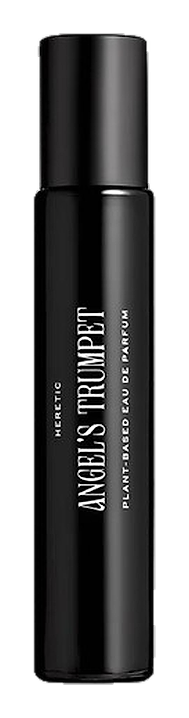
Heretic ParfumHeretic Parfum is a Los Angeles-based niche fragrance house founded in 2015 by perfumer Douglas Little. The brand specializes in small-batch, botanical perfumes made with 100% naturally derived ingredients, including essential oils, absolutes, and plant-based extracts. Fragrances are blended in organic sugarcane alcohol and positioned as non-gendered, appealing to consumers seeking plant-based alternatives to mainstream scents. Heretic distinguishes itself through radical transparency, listing every ingredient rather than using the catch-all term fragrance. By 2025, the house had released over 40 unique fragrances, spanning releases like Ektoplasma, Angel's Trumpet, Black Salt, and Midnight Toker alongside earlier works such as Dirty Gardenia, The Herbalist, and Dirty Hinoki. The brand operates from a Los Angeles studio and maintains vegan and cruelty-free production standards throughout its range of perfumes, candles, and bath products.
The Creator
Douglas LittleLittle works exclusively with natural, botanical ingredients—300 materials organized in a tiered fragrance organ. He resists the industry standard of synthesized rose stripped of its earthy core, preferring what he calls "wonderfully raw aspects.