The Story
Why it exists.
The beginning
Henrik Vibskov released Type B in 2011 as part of the Type trilogy, B, C, and D, establishing a framework of numbered compositions that would define the fragrance line. Type B was conceived as a sensory snapshot of a specific place and moment: a crisp winter morning in Berlin's Pankow district. The brief was atmospheric rather than technical, capture the smell of cold air meeting smoke. What emerged was a fragrance that opens with the immediate burn of a struck match, then softens into something warmer and more intimate, the urban cold giving way to warmth on skin.
The pairing of birch and peat is what makes Type B distinctive. Birch provides a smoky, almost tar-like quality, the memory of smoke without fire, while peat adds an earthy, primordial depth that feels older than the city above it. These two materials don't dominate the pyramid so much as underpin it, present from the opening through the drydown, giving the composition a continuous thread of smoke that links each phase. The black pepper at the top is the catalyst: brief, sharp, the match being struck. What follows is all aftermath.
The evolution
The opening hits immediately, black pepper biting cold, birch smoke already curling beneath it. No subtlety in those first minutes. This is a fragrance that announces itself in sensation, not scent. Within ten minutes the sharpness softens. The cedar and vetiver arrive, woody and earthy, pushing the smoke into something warmer. The leather begins to emerge, not as a note so much as a feeling, the warmth of skin against fabric in cold air. The drydown is what lingers: birch smoke, leather warmth, the vetiver staying close to skin for the remaining hours. On fabric, the smoke can last into the next day. That's the tell. That's what this fragrance gives you, something that stays, that marks your passage through a room without demanding anyone notice.
Cultural impact
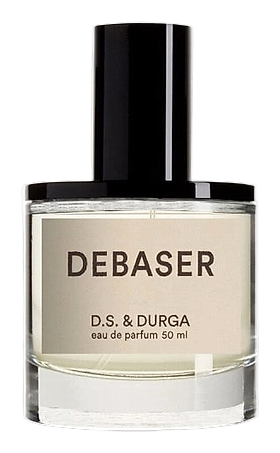
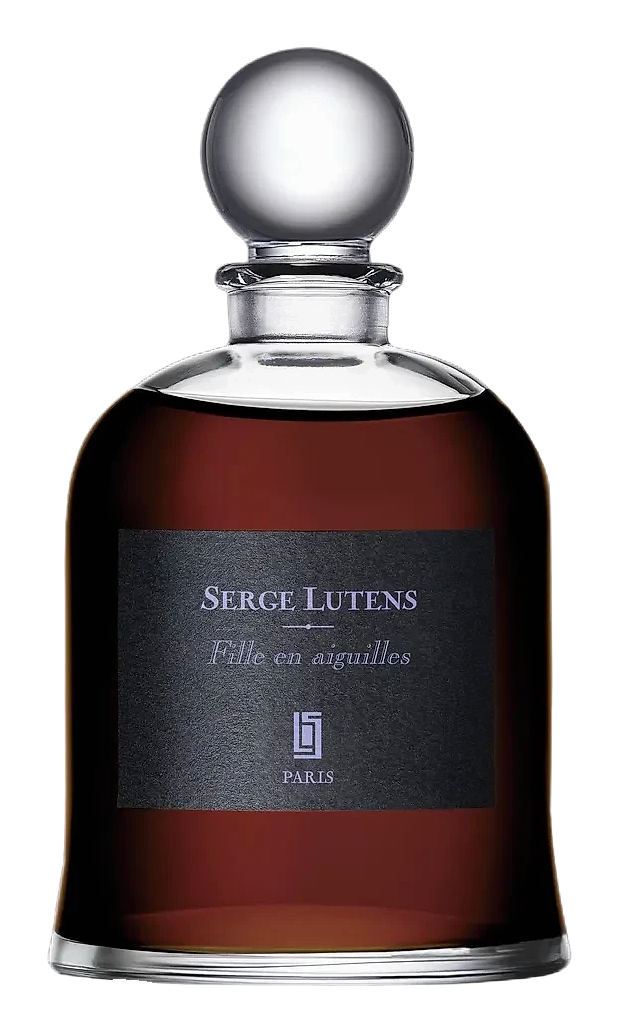
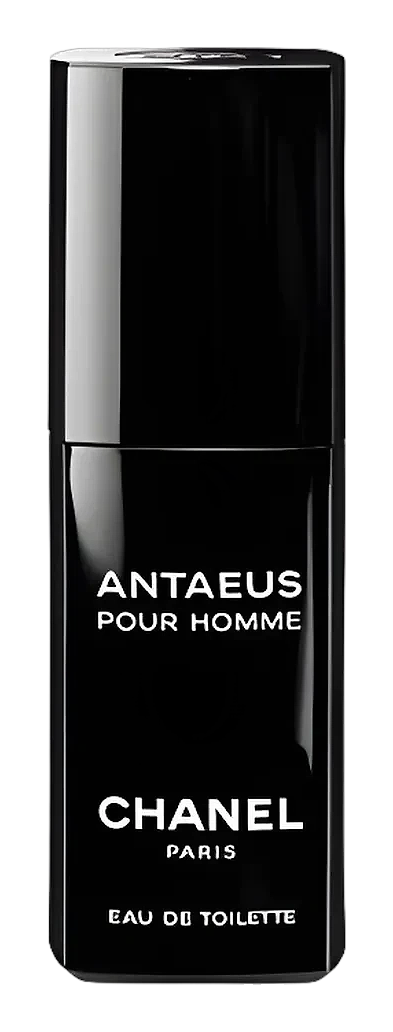
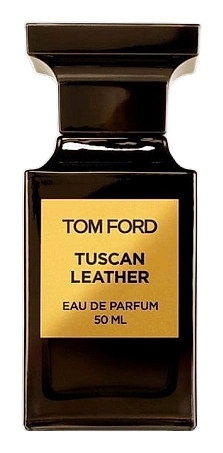
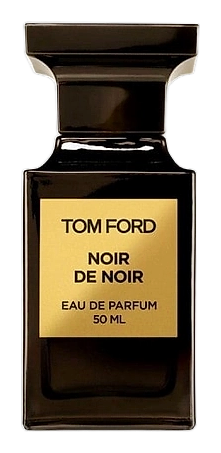
Type B attracts wearers who treat fragrance as part of their broader aesthetic, the same sensibility drawn to the unconventional in fashion and design. It shares territory with vetiver-forward compositions like Lalique Encre Noire and leather-driven work like Tom Ford Tuscan Leather, though it occupies its own space at the intersection of smoke, wood, and urban cold. For those who found Encre Noire too singular, Type B offers a similar smoky-vetiver foundation with more warmth and complexity.