The Story
Why it exists.
The beginning
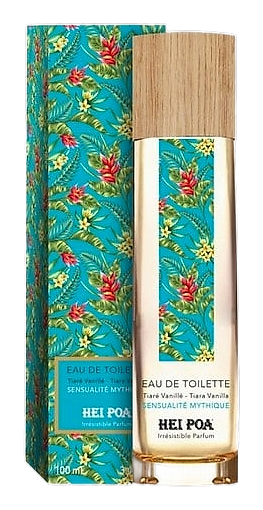
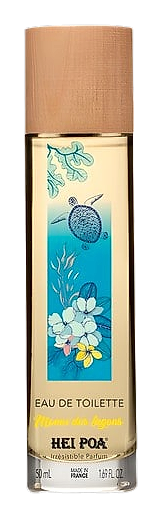
Monoi Des Lagons sits at the center of Hei Poa's perfume line, a composition built entirely around the scent of monoi itself: coconut oil infused with tiare, the gardenia blossom at the heart of Polynesian monoi traditions. Where most coconut-driven fragrances lean sweet or suntan-lotion generic, this one takes the raw material seriously. The opening is bright and almost fleeting, bergamot and orange blossom doing the job of a cold compress before the cream arrives. Then the monoi settles in, rich, lactonic, unmistakably oil-based, and the fragrance surrenders to it completely. Sandalwood deepens the base, and a thread of mineral sand note keeps the whole thing from drifting into dessert territory.
The sand accord is doing something unusual here. Rather than building the composition around marine freshness or any oceanic shorthand, Hei Poa roots everything in mineral warmth, specifically a sand note that gives the whole structure something to sit on from the first spray. Combined with the monoi infusion and a sandalwood base, the result reads less like a shoreline and more like the specific sensation of post-swim skin on a quiet stretch of beach. The fragrance turns a familiar tropical formula inside out: no cool spray, no briny top notes, just warmth held close to the body.
The evolution
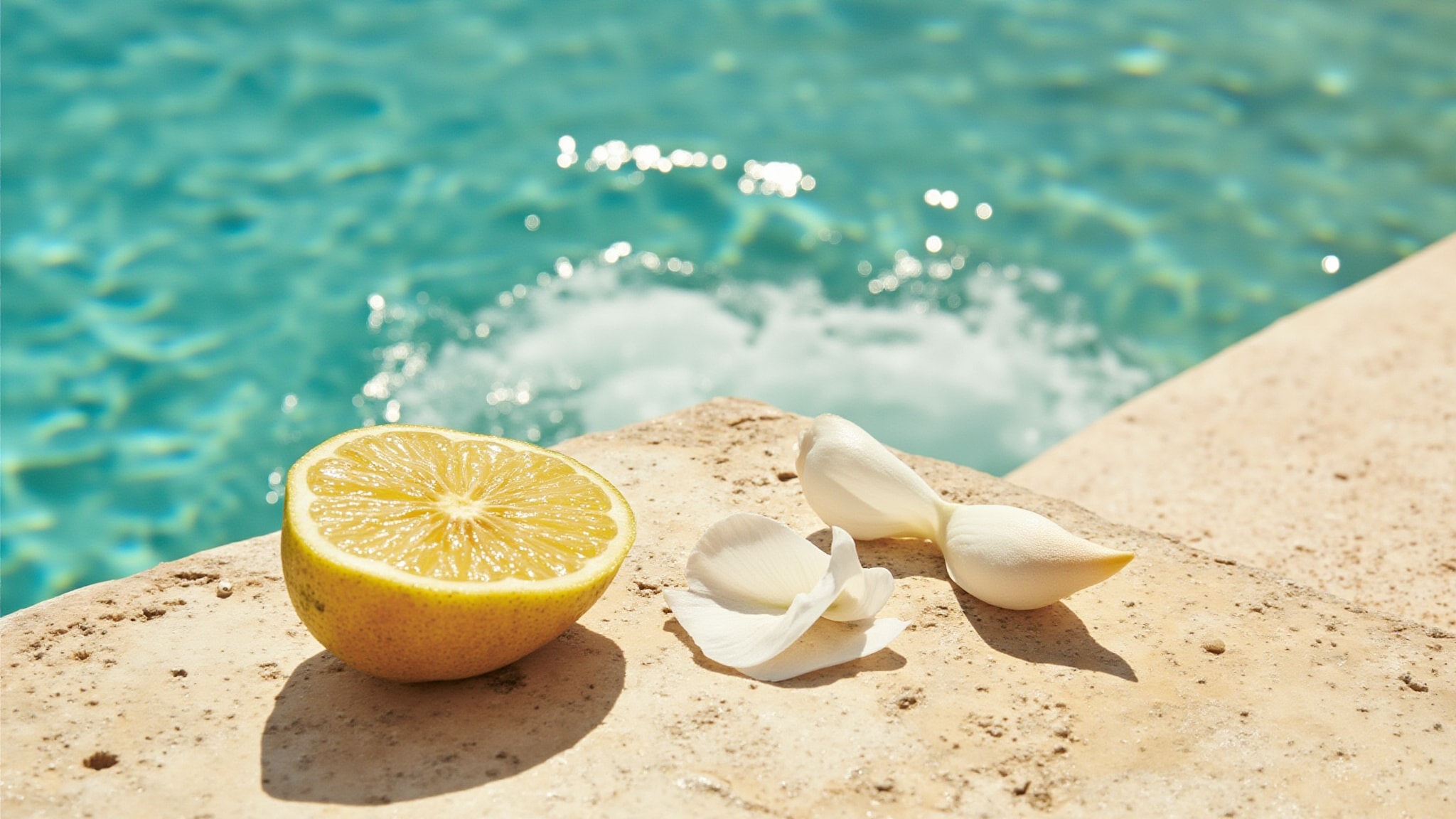
The bergamot and orange blossom open quickly, bright and almost fleeting, lifting off the skin in a clean wave of citrus over white-flower sweetness before the main body of the fragrance takes over. What replaces them is where Monoi Des Lagons earns its keep. The monoi arrives creamy and floral, with a coconut richness that sits closer to actual oil than to any sweetened interpretation of it. Then the aquatic notes register, not as a wave of spray but as a faint coolness under the cream, threading through the warmth the way a cool draft moves through an open window. The sand accord surfaces in the drydown, warm and mineral, drying out the coconut sweetness until what's left on skin reads closer to warm linen than tropical cocktail. On fabric the next morning, faint sandalwood and that mineral sand edge linger, the kind of trace that survives the sleep cycle intact.
Cultural impact
Monoi Des Lagons arrives at a moment when perfume is reaching for place-specific materials more deliberately, building compositions around stone, sand, and mineral surfaces rather than the conventional oceanic or ozonic vocabulary. What distinguishes this one is how thoroughly it commits to warmth instead of coolness. The sand accord is doing structural work, not decorative work, and the monoi at the center holds the entire composition together with a coconut richness that reads closer to raw material than to any tropical flavor.