
The Story
Why it exists.
The beginning
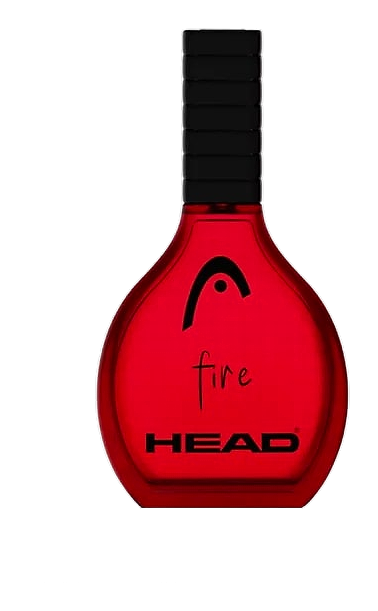
Fire arrived as the line's warmer counterpart, a fragrance that embodied the tension between heat and chill. The concept was literal: that threshold where two extremes collide and create something new. It was an unusual brief for a men's fragrance when many launches leaned toward predictable directions. Fire chose the middle ground, finding a space between the expected and the bold. The fragrance carries that tension in its structure, opening bright and cool before settling into something warmer, something that suggests the meeting point rather than either side alone. This duality runs through every stage of the scent, from the initial impression to the quiet drydown.
What makes Fire structurally interesting is the unusual note placement in its opening. Bergamot and aquatic notes arrive first, giving the top a crisp, clean brightness that feels immediate. Placing aquatic notes at the top isn't typical; they more commonly appear as supporting elements deeper in compositions. Instead, here they lead, creating an opening that suggests open air and clarity rather than the sharp citrus punch of a traditional cologne. The heart notes of lavender, lily of the valley, and rose bring warmth and complexity.
The evolution
The opening is quick, a citrus brightness for perhaps fifteen minutes before the heart takes over. That's when the floral notes arrive, warming the composition from within. The lavender sits underneath, softening what could be a sharp opening into something more measured. This middle stage lasts the longest, the heart notes gradually revealing their full complexity as the top notes fade. The drydown is where Fire reveals its true character: clary sage, coniferous woods, sweet notes, and musk settle warm and close to the skin. Not projecting. Not filling the room. Just there, a quiet warmth that someone standing beside you might notice. The woody notes don't disappear entirely, they thread through the base like a quiet pulse, keeping the warmth alive underneath the structure.
Cultural impact
Fire arrived during a period when many fragrances followed predictable patterns, trending light and floral or heavy and oriental. The brand took a different approach with this release, finding a creative engine in the tension between opposing elements. Fire became the warm side of that approach: a fragrance with character in a market that often played it safe. Its creative brief broke from conventional expectations, offering something that felt both grounded and distinctive.