The Story
Why it exists.
The beginning
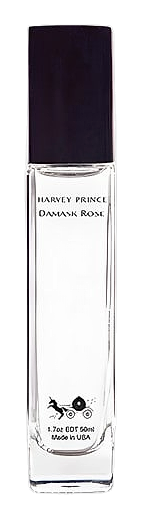
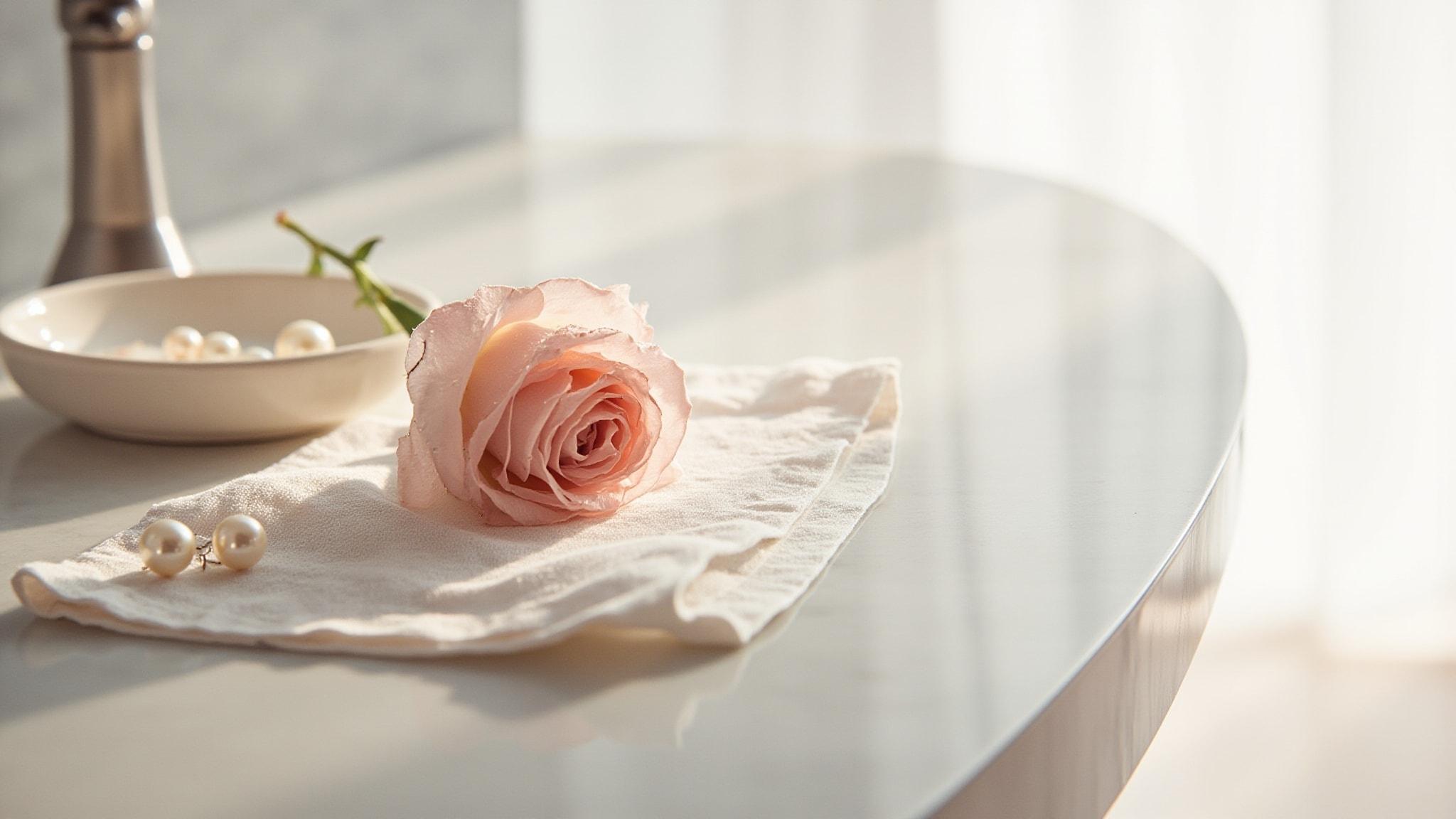
The Damask Rose has been cultivated for thousands of years and remains one of the most prized flowers in the history of perfumery. Few ingredients carry the kind of reverence this bloom commands, and few have inspired as many centuries of careful extraction, blending, and trade. The rose's journey through perfumery is really a story of obsession over time, and the flower itself has been refined, propagated, and celebrated across continents. Each generation of growers and distillers has contributed to a deeper understanding of how to capture the flower's scent at its most expressive. Within Harvey Prince's Damask Rose, that long history compresses into a single wear.
What makes the Damask Rose so compelling in perfumery is its ability to feel both ancient and immediate at once. The flower carries the weight of centuries of cultivation, yet in a well-built composition it can read as startlingly fresh, almost newly picked. That tension is part of what draws perfumers back again and again, the challenge of capturing something timeless without letting it feel dusty or museum-bound. Harvey Prince's Damask Rose leans into that duality with a structure that feels deliberate but never overworked.
The evolution
Rose as a perfume ingredient has always carried a kind of dual identity, at once the most traditional bloom in the perfumer's palette and one of its most versatile. For decades, it has moved between roles, sometimes the centerpiece of an opulent bouquet, sometimes a quiet accent lifting a chypre, sometimes softened into a supporting role in a broader composition. That flexibility is part of what has kept rose relevant across shifting tastes in fragrance. Soliflores like Harvey Prince's Damask Rose represent a particular kind of statement, one where the flower is allowed to speak for itself without competition. In a market crowded with layered, multi-note compositions, a fragrance built around a single bloom can feel almost radical in its focus.
Cultural impact
Damask Rose has held a symbolic and practical place in human culture for centuries. Few flowers carry the same weight of meaning across so many traditions, geographies, and moments in history. Rose has appeared in poetry, in medicine, in ceremony, and in the quiet rituals of daily life, a bloom that manages to feel both ancient and immediate in every context it touches. Its scent is instantly recognizable, evoking gardens, celebrations, grief, and romance in equal measure depending on the moment and the wearer.