The Story
Why it exists.
The beginning
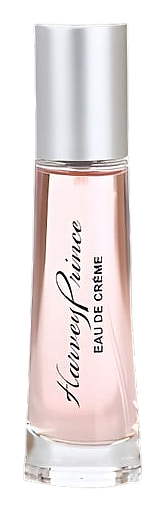
Eau de Creme draws its inspiration from an ice cream sundae, reimagined as something you apply rather than eat. The flavor profile combines rich chocolate and smooth vanilla with tropical passion fruit and bright citrus notes. These elements create a scent that feels both indulgent and fresh, with the sweetness balanced by citrus brightness. The result is a fragrance that captures the comfort of dessert without being literal about it. The warm vanilla and deep chocolate provide a cozy foundation, while the passion fruit adds an unexpected tropical twist that keeps the composition from feeling heavy.
What makes Eau de Creme work is the restraint around the gourmand notes. Too much chocolate turns a fragrance into a candle. Too much rum and it's a party trick. The balance here leans toward cozy rather than decadent, with patchouli pulling everything back toward something wearable rather than edible. The vanilla note provides a creamy, substantial base that anchors the composition without overwhelming it. The composition reads more like a well-made dessert than a sugar bomb, with each element staying in its lane to create something inviting rather than cloying.
The evolution
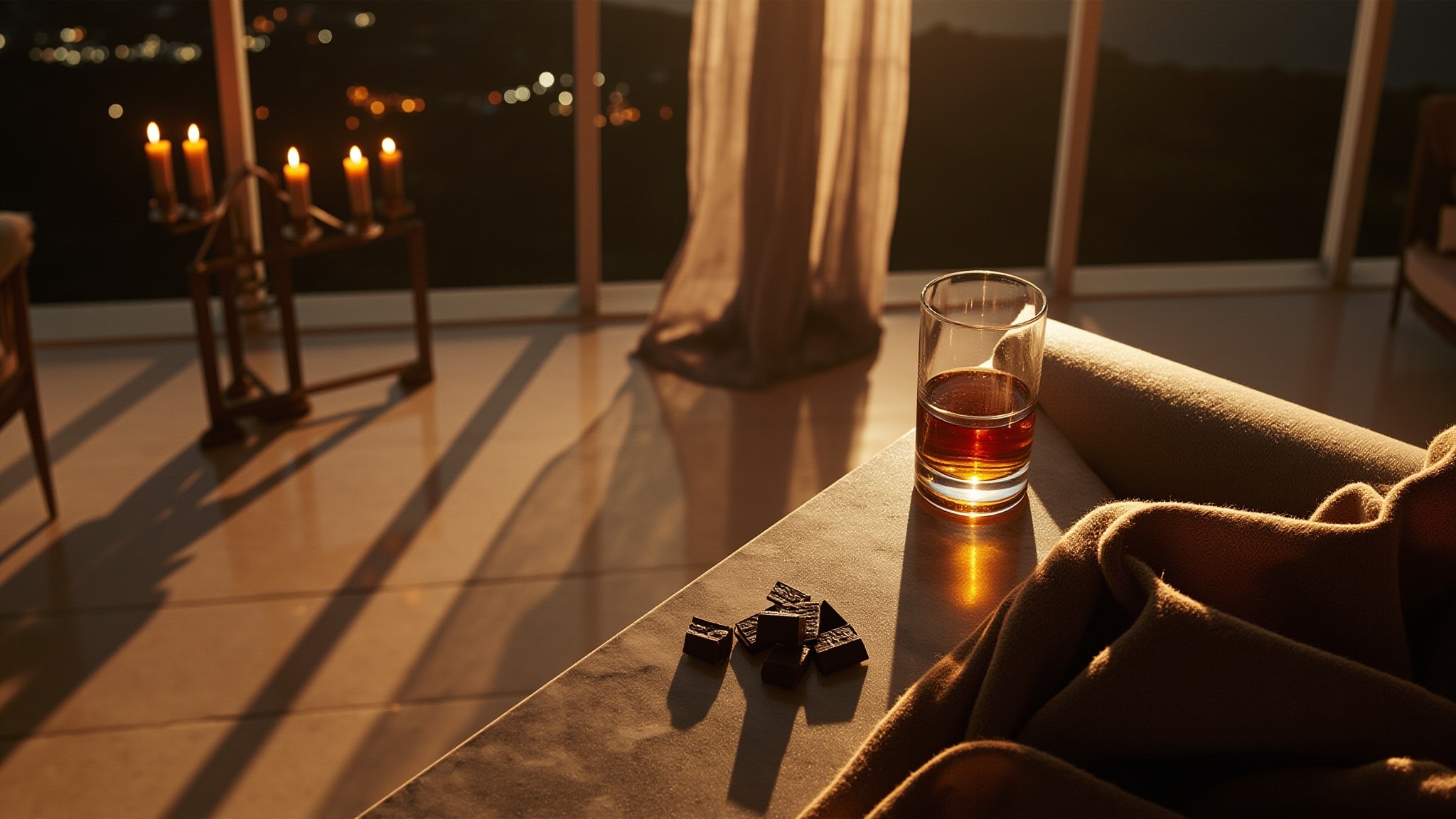
The opening hits first with citrus and passion fruit, bright and slightly tart. Within minutes, the chocolate arrives, softened by the warmth of rum. The transition isn't dramatic, more like a slow turn. The vanilla note builds slowly through the heart, wrapping around the chocolate. By the time you hit the drydown, the patchouli has arrived to ground everything. The final hours smell like the inside of a warm room where someone was just cooking. Not a trace of sharpness, just warmth that fades on its own terms.
Cultural impact
Eau de Creme arrived alongside the growing consumer awareness of niche fragrances, yet it took a different approach than many of the houses entering that space. Rather than relying on opaque marketing or elaborate brand mythology, the scent was presented with straightforward formulation transparency. Its continued availability and consistent formula demonstrated that accessible pricing and quality composition could coexist without relying on brand mythology or perfumer celebrity. The fragrance offered an alternative to the opaque marketing that surrounded niche houses, reflecting a broader shift toward authenticity in small business retail.