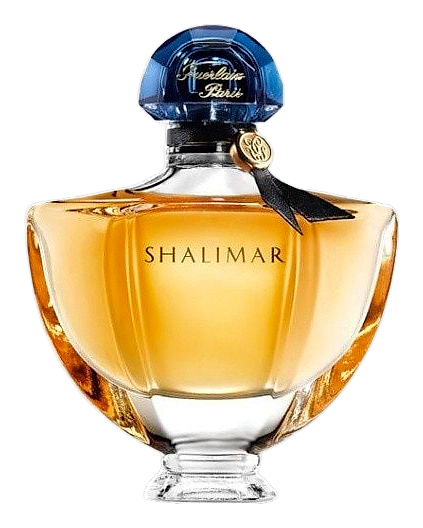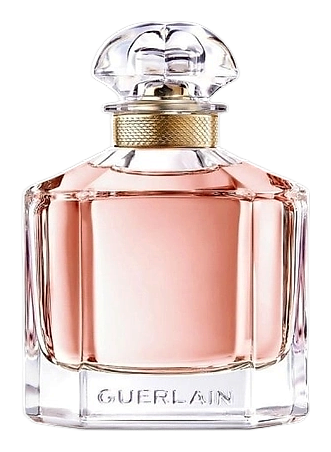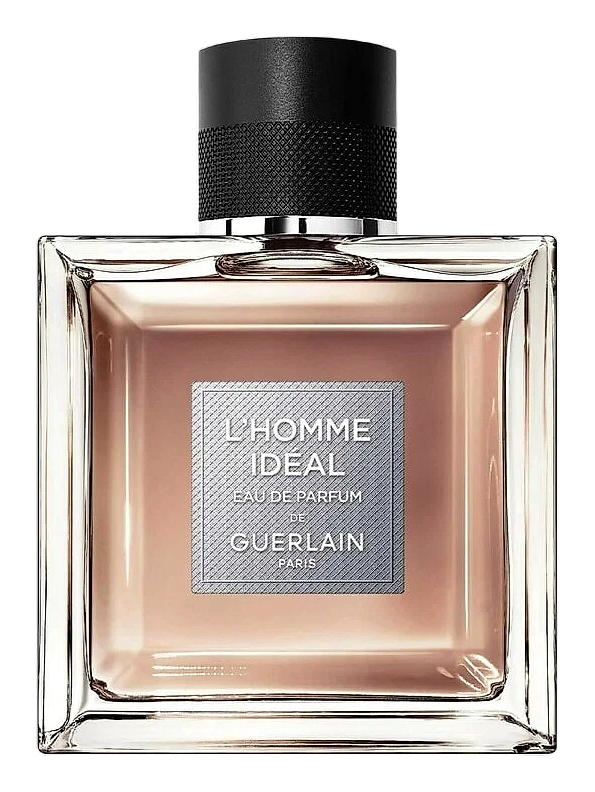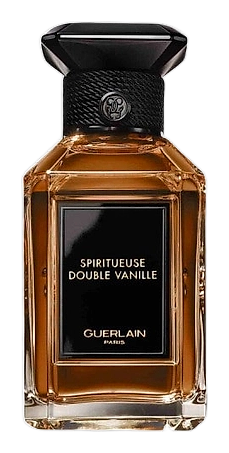

The Story
Why it exists.
The beginning
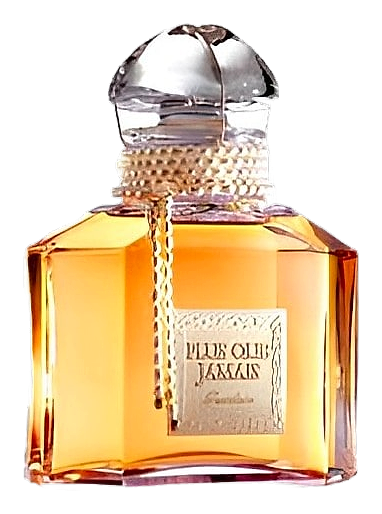
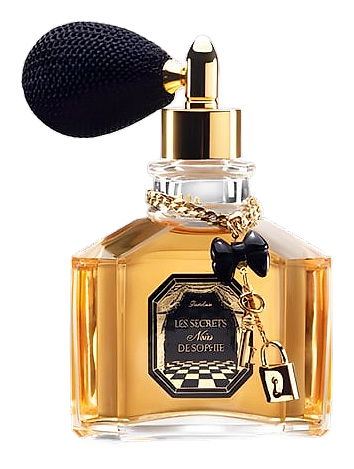
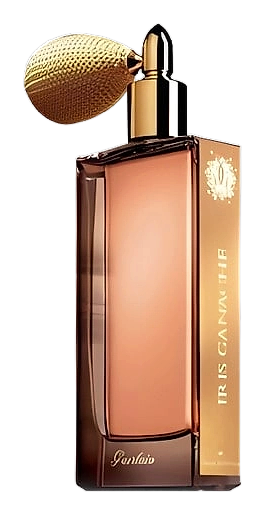
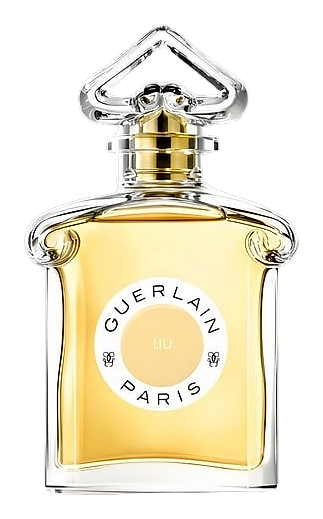
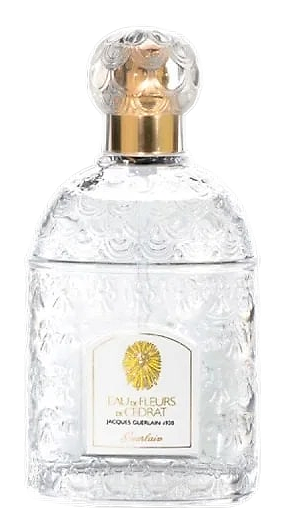
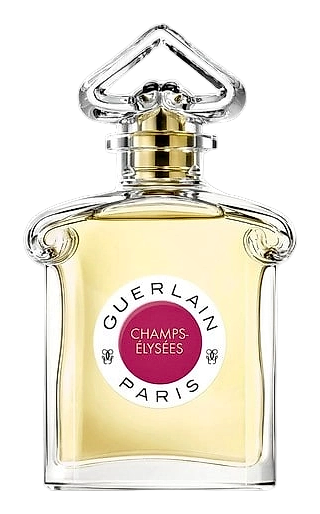
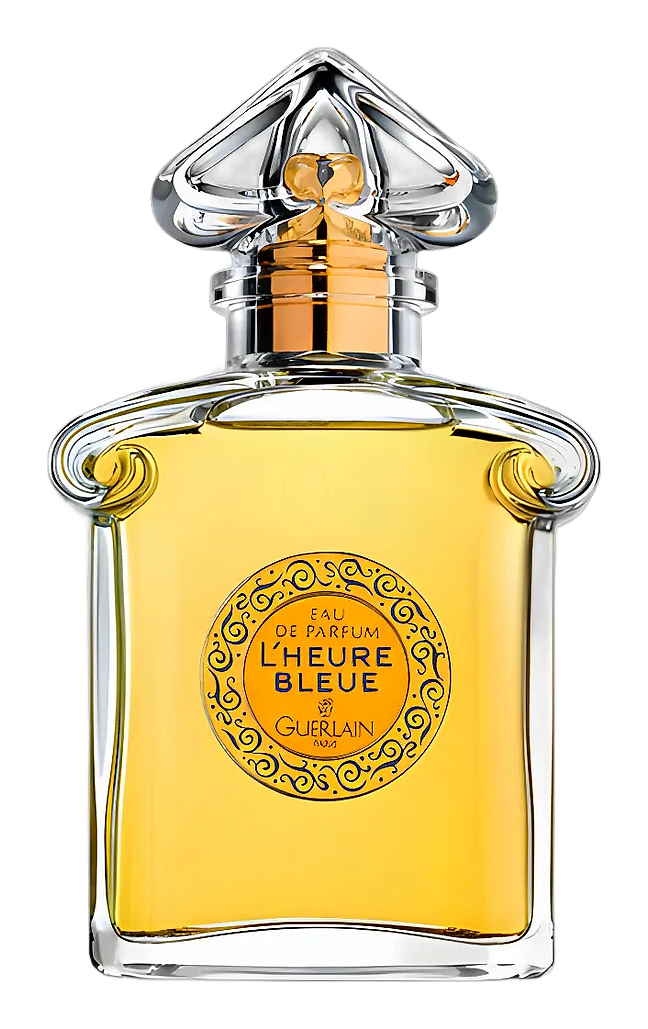
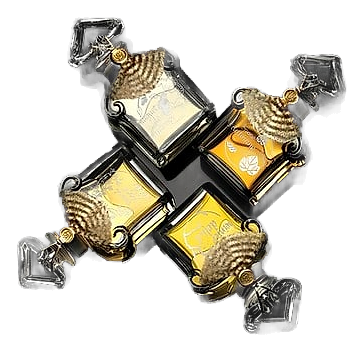
The Les Quatre Saisons collection offers four fragrances, each one a portrait of a specific moment in the calendar year. Quant Vient L'Ete, the chapter that captures when summer arrives, continues this olfactory calendar with its own distinctive character. The name carries clear intention: not summer itself in its fullness, but the instant the season begins, that threshold between spring's last breath and the heat yet to come. The composition draws from Guerlain's signature citrus-floral language, presenting it in a way that feels suited to warm air and bright afternoons. Thierry Wasser approached this creation with the confidence of someone who knows Guerlain's archives intimately, crafting a work that feels both contemporary and rooted in the house's deepest traditions.
The pyramid here is deceptively simple, five notes in each tier, but simplicity is harder to execute than complexity. Bergamot and lemon open together, a classic Guerlain move that establishes immediate brightness before the heart arrives. The jasmine-peach pairing is where the fragrance earns its summer positioning: jasmine brings the floral depth, peach brings the fruit, and together they create something that smells like sunlight on skin rather than a fruit salad. The base of hay, vanilla, and carnation is where most summer florals abandon you.
The evolution
The opening is all citrus clarity, bergamot and lemon arriving together, sharp and sparkling, the kind of brightness that reads as morning even if you apply it at noon. Within twenty minutes, the jasmine begins to assert itself, and the peach appears not as a separate note but as a softening influence, tempering the florals and adding weight. The drydown is where this fragrance diverges from most summer scents: instead of fading to skin, the vanilla and hay begin their slow work, adding warmth that feels earned rather than tacked on. Carnation appears last, a faint spice that catches in the throat when you press your nose to your wrist. The longevity here is above average for a summer fragrance, lasting well through the day rather than disappearing within a few hours.
Cultural impact
As part of Guerlain's Les Quatre Saisons collection, Quant Vient L'Ete occupies a space apart from typical market offerings. It's not simply chasing the season's popular notes or following trend cycles. Limited in production and rooted in the house's classical vocabulary, it appeals to the wearer who knows Guerlain's archives and wants to experience a new interpretation without committing to the entire four-season set. This fragrance invites discovery rather than demanding attention, offering its complexities to those who approach it with curiosity and patience.
The House
GuerlainGuerlain stands as one of the oldest and most revered perfume houses in the world, founded in Paris in 1828 by Pierre-François-Pascal Guerlain. What began as a boutique on rue de Rivoli quickly became the preferred destination for Parisian society, attracting dandies and elegant women who sought custom-crafted fragrances. The house's influence grew to such heights that Guerlain earned the title of Official Perfumer to Napoleon III after presenting Eau de Cologne Impériale to Empress Eugénie as a wedding gift in 1853. This royal patronage marked the beginning of Guerlain's enduring association with European aristocracy, as the house went on to create fragrances for Queen Victoria and Queen Isabella II of Spain. Today, under the creative direction of Thierry Wasser, the fifth-generation perfumer, Guerlain continues to shape the landscape of fine fragrance with a portfolio spanning over 1,100 olfactory creations. The house remains headquartered at its legendary Champs-Élysées mansion, a historic monument that anchors Guerlain's position at the intersection of heritage and contemporary luxury.
The Creator
Thierry WasserWasser gravitates toward green, crispy notes and the bold florals Guerlain is known for. Bulgarian rose appears repeatedly in his work, and he travels annually to oversee the harvest in Kazanlak.