The Story
Why it exists.
The beginning
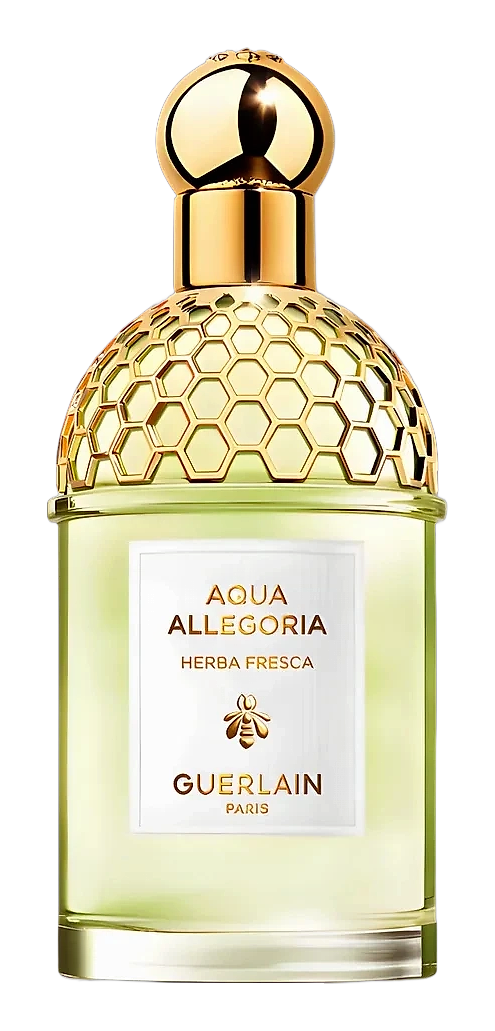
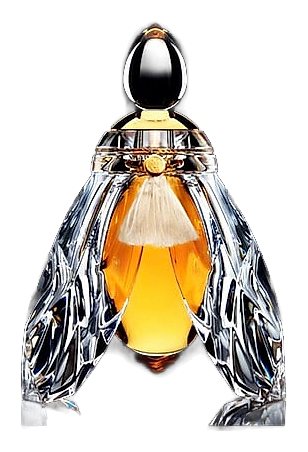
The bee has been Guerlain's symbol since 1853, when Pierre-François-Pascal Guerlain first created perfume for Empress Eugénie, wife of Napoleon III. The imperial coat of arms bore the bee, a mark of the French court's highest reaches. Thierry Wasser designed L'Abeille de Guerlain to honor that lineage, translating the emblem into scent. Flowers and honey, grown from the same fields bees work. The brief was simple: a garden in a bottle, worthy of its house.
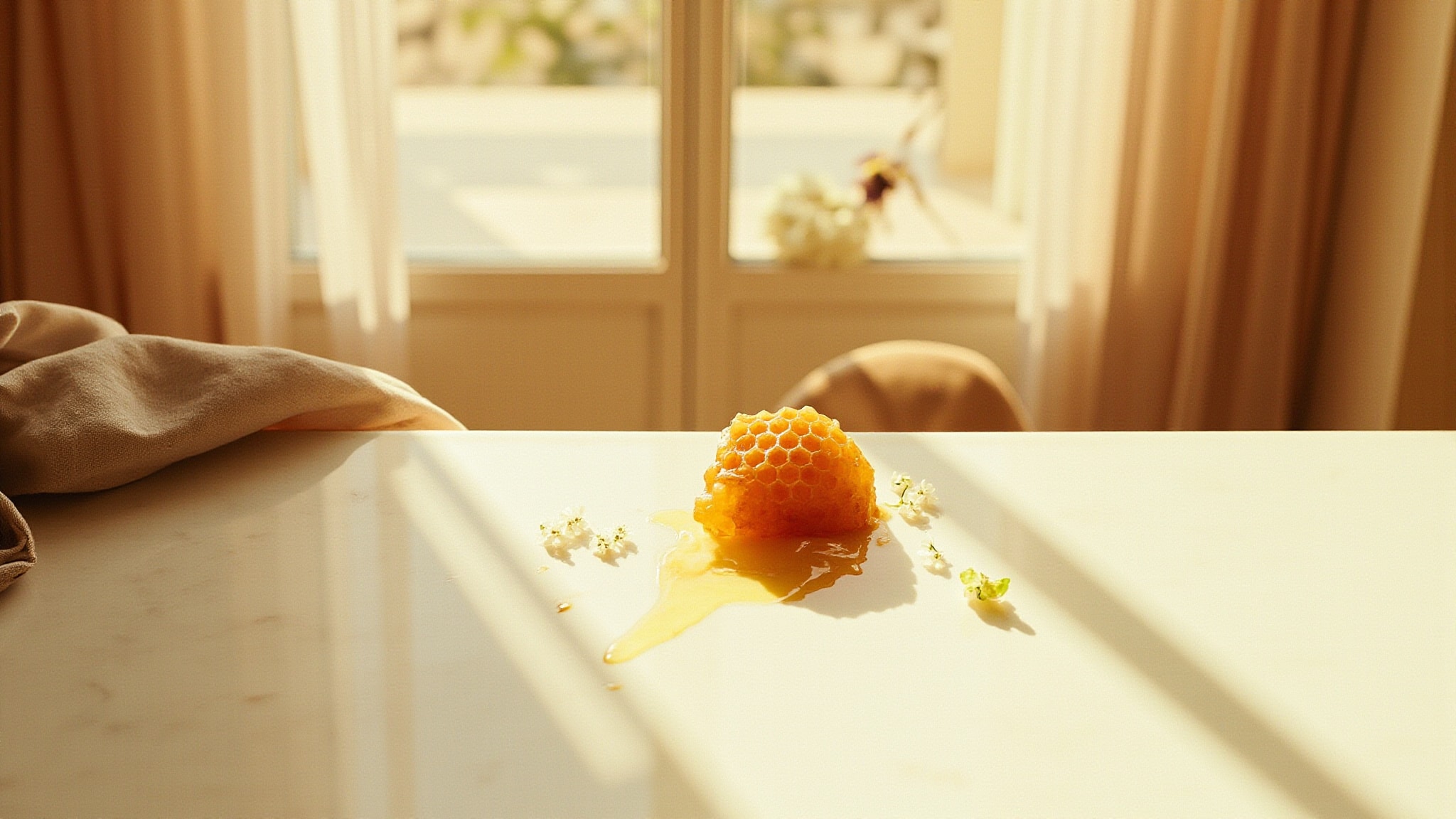
What sets this apart from Guerlain's broader floral canon is the white honey, not a supporting note but the structural heart. Around it, mimosa provides a yellow, almost waxy warmth. Jasmine and lilac deepen the garden into something heady. The orris root grounds everything with a quiet powder that keeps the sweetness from floating away. It's Guerlain doing what Guerlain does best: taking something familiar and making it unmistakably theirs.
The evolution
The opening arrives bright and golden. White honey and mimosa bloom first, dewy and sunlit, a garden just after rain. For the first fifteen minutes, it's all light. Then the heart opens. Jasmine and lilac arrive together, richer and more textured, as if you've walked deeper into the garden and the air has thickened. Lilac brings a slightly green, almost indolic edge that stops the florals from going too sweet. The orange blossom threads through, adding a clean, slightly soapy clarity. Two to three hours in, the orris root takes over. Powdery, slightly woody, with a violet-like softness that lingers close to the skin. The honey never fully disappears, it settles into the base like a quiet argument. On most skin types, expect four to six hours of wear. The sillage stays moderate, intimate rather than announced. This is a fragrance that stays with you, not one that announces itself walking in.
Cultural impact
The bee motif connects directly to Guerlain's founding legend, Empress Eugénie, wife of Napoleon III, received Guerlain's first imperial fragrance in 1853, and the bee became the house's enduring emblem. L'Abeille de Guerlain translates that heraldic symbol into olfactory form, a limited piece for those who understand the house's depths.
The House
GuerlainGuerlain stands as one of the oldest and most revered perfume houses in the world, founded in Paris in 1828 by Pierre-François-Pascal Guerlain. What began as a boutique on rue de Rivoli quickly became the preferred destination for Parisian society, attracting dandies and elegant women who sought custom-crafted fragrances. The house's influence grew to such heights that Guerlain earned the title of Official Perfumer to Napoleon III after presenting Eau de Cologne Impériale to Empress Eugénie as a wedding gift in 1853. This royal patronage marked the beginning of Guerlain's enduring association with European aristocracy, as the house went on to create fragrances for Queen Victoria and Queen Isabella II of Spain. Today, under the creative direction of Thierry Wasser, the fifth-generation perfumer, Guerlain continues to shape the landscape of fine fragrance with a portfolio spanning over 1,100 olfactory creations. The house remains headquartered at its legendary Champs-Élysées mansion, a historic monument that anchors Guerlain's position at the intersection of heritage and contemporary luxury.
The Creator
Thierry WasserWasser gravitates toward green, crispy notes and the bold florals Guerlain is known for. Bulgarian rose appears repeatedly in his work, and he travels annually to oversee the harvest in Kazanlak.