The Story
Why it exists.
The beginning
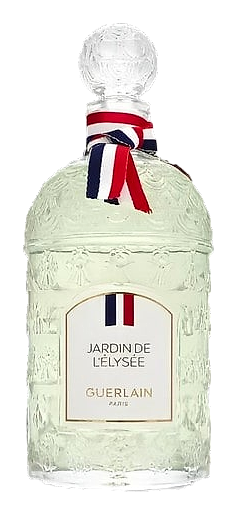
There are 500 bottles in the world. Jardin de l'Élysée was created in 2026 by Delphine Jelk exclusively for the Élysée Palace, the official residence of the French Presidency. The fragrance was conceived as a portrait of the gardens behind those walls, a space with its own private logic and seasonal rhythm. The composition moves with a particular kind of ease. Bergamot opens with that clean, almost bitter brightness the fruit is known for, setting a brisk tempo before the florals step in. Magnolia, jasmine sambac, and rose take the middle, each one calibrated rather than stacked, trading excess for clarity. The base settles into tea and amber, a quiet finish that pulls the whole composition down to earth. It is, in every sense, a private commission that somehow made it out the door.
What makes this composition interesting is the restraint. The heart is magnolia, jasmine sambac, and rose. That's a white floral overload on paper. But the bergamot at the top acts as a brightening agent, keeping the florals from going dense or soapy. The tea and amber in the base then pull everything downward into a dry, almost mineral territory. The genius is in what Jelk left out. The result is a white floral that reads as cool rather than creamy, a clean execution that trades sweetness for clarity. Three florals, one citrus, one tea, one amber. Nothing extra.
The evolution
The first 15 minutes belong entirely to bergamot. Clean, sharp, a little green. The kind of citrus that smells bright and slightly bitter, with that pithy edge the fruit carries when it hasn't been over-processed. Then the florals arrive. Magnolia leads. It has that lemony, almost waxy quality that reads as buttery without being heavy. Jasmine sambac trails behind, indolic but polite, more sunscreen than indolic bomb. Rose rounds it out, adding a soft powdery edge that keeps the composition from tipping too white. The transition into the base happens gradually, a slow handoff rather than a hard turn. Tea shows up first, a dry black tea, not fruity, not smoky, just the steam off a cup left on a table. Amber gives it weight. The drydown is a close-skin affair: tea, amber, a whisper of that magnolia still hanging on.
Cultural impact
Jardin de l'Élysée exists in unusual territory: a palace commission that escaped the palace. Only 500 bottles were produced, making it a genuinely scarce release regardless of how it compares to anything else in the catalog. That limited production hasn't kept it from finding an audience, though. The fragrance has gathered attention as something of a curiosity, a commissioned piece that somehow made it past the gates and into wider circulation. Wearers note its particular mood, the way it evokes the kind of private green space that doesn't usually belong to the public.