
The Story
Why it exists.
The beginning
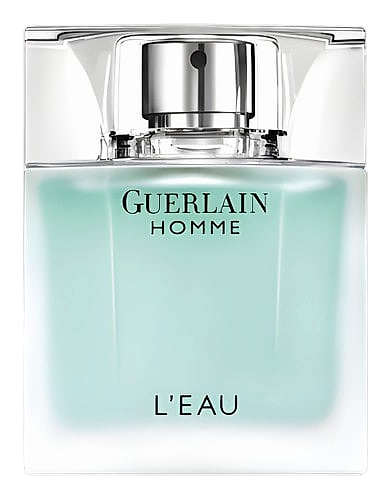
Thierry Wasser reimagined Guerlain Homme in 2010. The original had built its identity on woody warmth and masculine presence. L'Eau took the same structure and stripped it of heat. Citrus turned arctic. The mojito accord arrived as concept and execution both, a refreshing take that felt both modern and grounded. Pininfarina designed the bottle, which tells you everything: this was meant to look as cold as it smelled, all clean lines and pale glass. The design studio understood restraint as a luxury move.
The mojito accord is the structural trick here. Mint and rum should fight, one is fresh and green, the other warm and fermented. They don't fight. The rum sweetens the mint just enough to keep it from being clinical, while the citrus stack (grapefruit, bergamot, lime) keeps both from settling into anything predictable. Geranium in the heart is the unexpected guest. It reads more herbal than floral, which keeps the middle from going soft when the top notes inevitably cool down. The cedar-vetiver base is sparse, this is not a fragrance that hides behind its drydown.
The evolution
The opening hits immediately. Citrus and mint arrive together, sharp and cold, like ice cracking in a glass. Grapefruit leads, with lime underneath and peppermint cutting clean across the top. It smells like a drink you didn't order but are glad you tried. Then the mint recedes, and the geranium appears, herbaceous, slightly medicinal, a bridge between the cold top and the warmer base. The rum doesn't disappear. It lingers in the heart, a warmth you feel more than smell. Cedar and vetiver arrive next, adding depth and earthiness. Patchouli adds the faintest dark edge, present but never dominant. By the final hours, it becomes skin-close and quiet, the ghost of something cool that burned bright and fast.
Cultural impact
Guerlain Homme L'Eau offered a different energy within the same collection. Where the original Guerlain Homme was warm and woody, L'Eau was cold and sharp. Its departure from the house's typical approach gave it a distinctive character. Those familiar with Guerlain's signature style found something unexpected here, a version that stripped away the weight while keeping the craftsmanship intact.
The House
GuerlainGuerlain stands as one of the oldest and most revered perfume houses in the world, founded in Paris in 1828 by Pierre-François-Pascal Guerlain. What began as a boutique on rue de Rivoli quickly became the preferred destination for Parisian society, attracting dandies and elegant women who sought custom-crafted fragrances. The house's influence grew to such heights that Guerlain earned the title of Official Perfumer to Napoleon III after presenting Eau de Cologne Impériale to Empress Eugénie as a wedding gift in 1853. This royal patronage marked the beginning of Guerlain's enduring association with European aristocracy, as the house went on to create fragrances for Queen Victoria and Queen Isabella II of Spain. Today, under the creative direction of Thierry Wasser, the fifth-generation perfumer, Guerlain continues to shape the landscape of fine fragrance with a portfolio spanning over 1,100 olfactory creations. The house remains headquartered at its legendary Champs-Élysées mansion, a historic monument that anchors Guerlain's position at the intersection of heritage and contemporary luxury.
The Creator
Thierry WasserWasser gravitates toward green, crispy notes and the bold florals Guerlain is known for. Bulgarian rose appears repeatedly in his work, and he travels annually to oversee the harvest in Kazanlak.