The Story
Why it exists.
The beginning
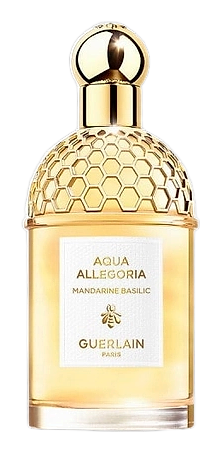
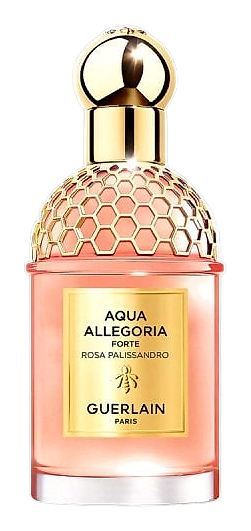
Rosa Palissandro is named for palisander, rosewood, making the unusual choice to place a supporting wood at the center. The name itself is the concept: not 'Rose of Rosewood' but the wood first, the flower second. In Guerlain's Aqua Allegoria Forte line, this translates as a fresh-wood study, where the spicy clarity of rosewood meets the softness of Turkish rose absolute and the deep, earthy warmth of patchouli. Perfumer Delphine Jelk built around contrast: the clean versus the warm, the delicate versus the intense, creating a fragrance where each element holds its own ground while contributing to a unified whole.
Rosewood rarely leads a fragrance. It's typically a supporting player, adds warmth to florals, nuance to woods. Here, it's the protagonist. Palisander rosewood has a fresh, almost camphorated spice that reads as both floral and woody at once, a duality that makes it unusual in perfumery. The aldehydes amplify this, giving the top a classic Guerlain brightness that lifts the whole composition. Geranium in the heart keeps everything cool and green. The drydown leans into sandalwood and patchouli: creamy, earthy, intimate. The result is floral-woody but with an aromatic, almost cool undertone that keeps it from being predictable. It's the kind of structure that rewards attention.
The evolution
The aldehydes hit first, bright, almost soapy, lifted by lemon and coriander's clean spice. As the citrus begins to recede, rosewood enters the conversation and suddenly you're in the heart: Damask rose softens the wood's edge while geranium adds a cool herbal counterpoint. The transition is gradual, no hard shift, just a slow hand-off from brightness to depth. Patchouli takes over with an earthy, warm, almost mineral presence. Sandalwood follows, turning the drydown creamy. This is where the fragrance lives longest, skin-close, intimate, the kind of presence that requires someone standing close to notice.
Cultural impact
Rosa Palissandro Forte landed as a fresh-wood study within Guerlain's contemporary Aqua Allegoria Forte line. The rosewood-forward structure sets it apart, positioning the wood as protagonist rather than supporting player. This approach offers something different from traditional rose compositions, drawing on rosewood's spicy clarity to create a fragrance that feels both familiar and unexpected.
The House
GuerlainGuerlain stands as one of the oldest and most revered perfume houses in the world, founded in Paris in 1828 by Pierre-François-Pascal Guerlain. What began as a boutique on rue de Rivoli quickly became the preferred destination for Parisian society, attracting dandies and elegant women who sought custom-crafted fragrances. The house's influence grew to such heights that Guerlain earned the title of Official Perfumer to Napoleon III after presenting Eau de Cologne Impériale to Empress Eugénie as a wedding gift in 1853. This royal patronage marked the beginning of Guerlain's enduring association with European aristocracy, as the house went on to create fragrances for Queen Victoria and Queen Isabella II of Spain. Today, under the creative direction of Thierry Wasser, the fifth-generation perfumer, Guerlain continues to shape the landscape of fine fragrance with a portfolio spanning over 1,100 olfactory creations. The house remains headquartered at its legendary Champs-Élysées mansion, a historic monument that anchors Guerlain's position at the intersection of heritage and contemporary luxury.
The Creator
Delphine JelkJelk builds compositions around contrast and tension—warm, round, and inviting, yet never soft. Her signature leans heavily on iris, musks, and powdery facets that give her work a distinctive texture, like cashmere caught in amber.