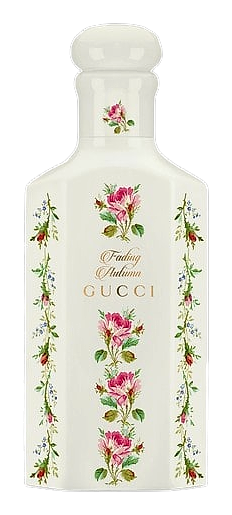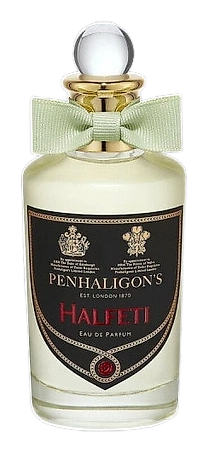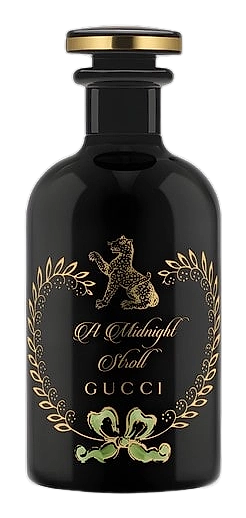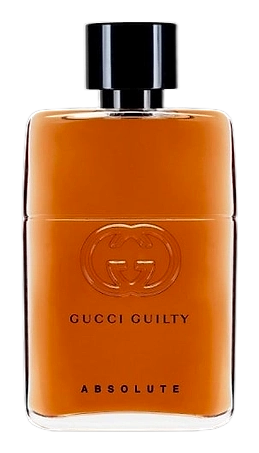

The Story
Why it exists.
The beginning
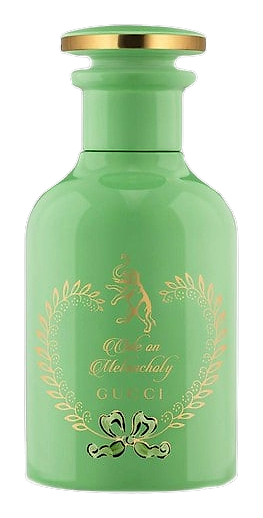
Ode on Melancholy is part of The Alchemist's Garden, Gucci's first haute couture perfume line. The name is the concept: melancholy as material, not mood. Alberto Morillas built this as an oil, closer to skin, slower to bloom, less about announcement than presence. The collection positions these as wearable craft objects, not mass-market flankers. Each scent in The Alchemist's Garden is an ingredient study, a single emotional territory explored in depth. Ode on Melancholy takes the woody-resinous family and asks what happens when you strip away everything that shouts.
The Cypriol Oil (Nagarmotha) is the unusual ingredient here, not the bright citrus or sweet florals that open most fragrances. It brings a mineral, almost medicinal earthiness that reads dark from the first moment. The cedar, sandalwood, and patchouli aren't there to soften it. They're there to hold it, to give that darkness somewhere warm to live. The result is a fragrance that rewards patience: it doesn't hit you, it unfolds. Oil format means the sillage stays moderate and the character stays close, which is exactly the point of a melancholy-themed scent. It's private. It's yours.
The evolution
The oil formula changes how this opens. No alcohol snap, just a slow unfurl of Cypriol's mineral darkness, then cedar and sandalwood warming in behind it while patchouli waits its turn. By the heart phase, the three woods are fully braided: cedar's structure, sandalwood's cream, patchouli's earth, all working together in a warm, intimate blend that deepens without ever projecting. The drydown strips back to cedar and sandalwood as Cypriol finally steps aside, leaving behind its resinous, smoky tell, earthy and warm, like woodsmoke on warm skin. Cypriol lingers longest. That's the signature. Close to the skin for hours.
Cultural impact
The Alchemist's Garden line is Gucci's first haute couture perfume collection, a deliberate signal that this isn't a commercial launch but an artistic one. Ode on Melancholy fits that positioning: it's intimate, contemplative, and built for depth over breadth. With Alberto Morillas behind it, the fragrance reads as a statement about what Gucci considers worthy of full craft attention. The response from those who found it has been strong, rich, oil-glossy wood with a noble aura, as one reviewer put it. The 4.11 community rating reflects genuine appreciation from people who understand what the fragrance is going for.
The House
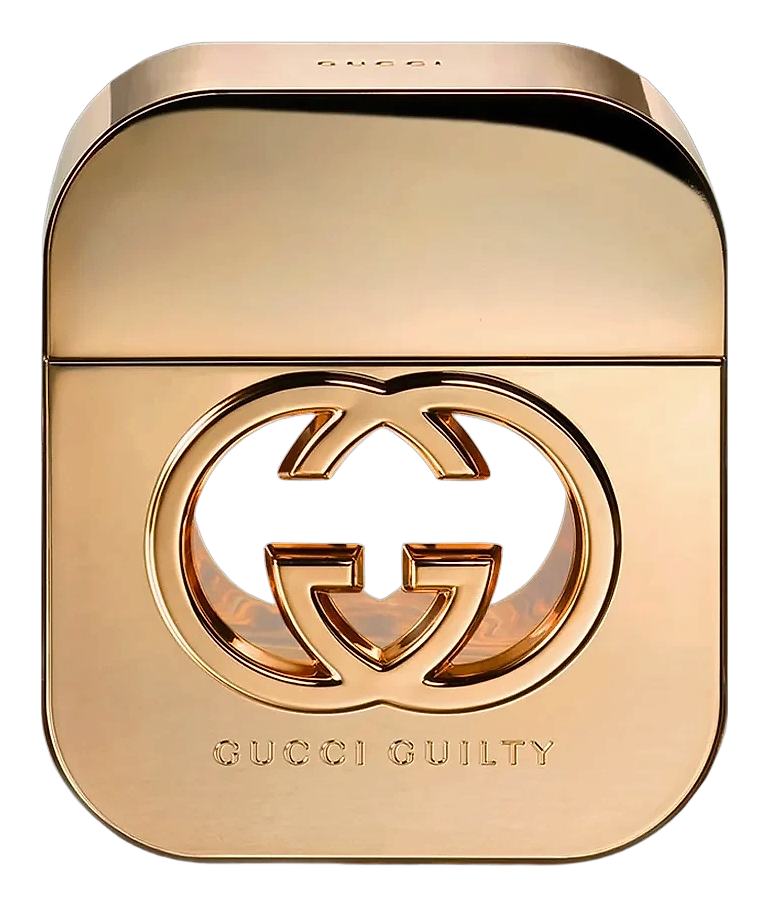
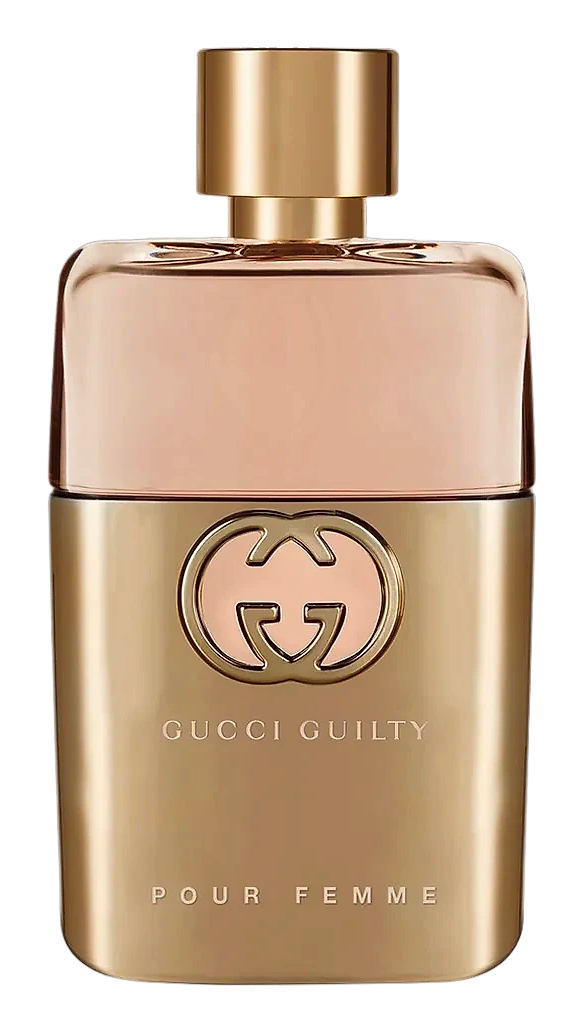
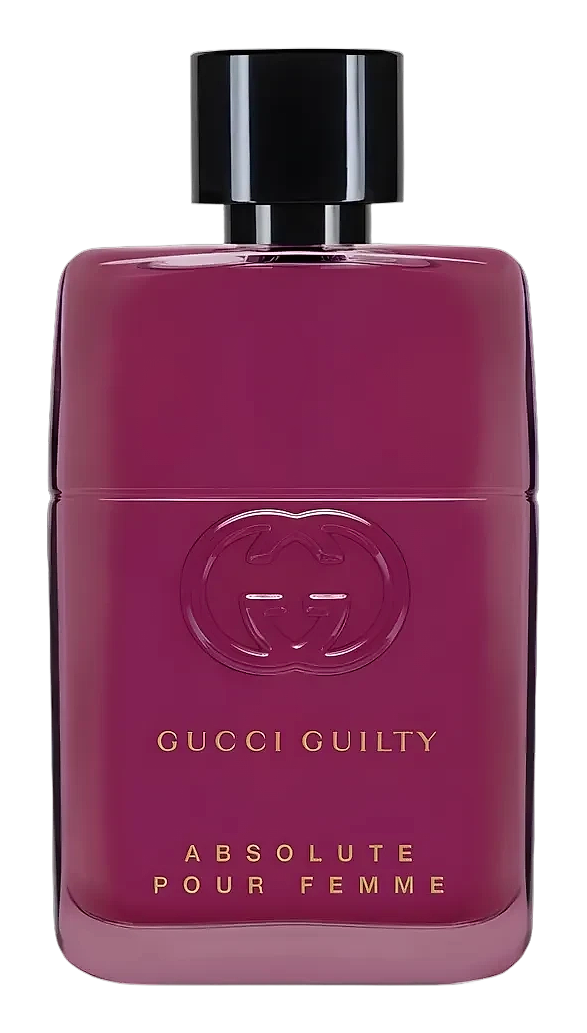
GucciSince 1921, Gucci has woven Italian craftsmanship into every facet of its creative identity. The House's venture into perfumery began in 1974, extending its Florentine heritage into olfactory form. Gucci fragrances capture the House's bold spirit: a collision of opulence and edge, tradition and provocation. From Gucci Envy's 1994 debut to the 2017 launch of Gucci Bloom under Alberto Morillas, each scent carries the House's signature audacity. Gucci Guilty Absolute (2025) continues this lineage, marrying intensity with unmistakable elegance.
The Creator
Alberto MorillasMorillas' style is characterized by a luminous transparency and a masterful use of musks. He often incorporates citrus notes to create a bright, uplifting effect.