The Story
Why it exists.
The beginning
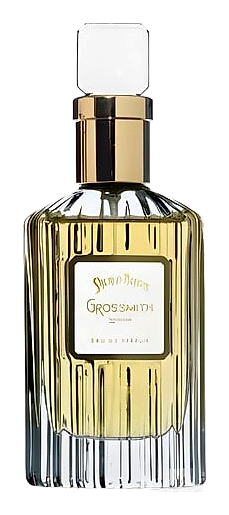
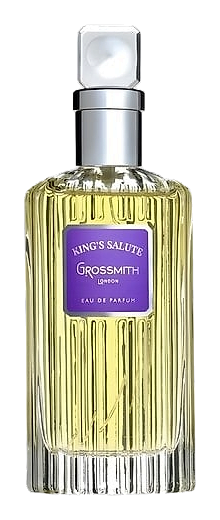
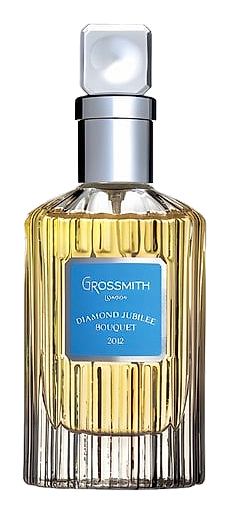
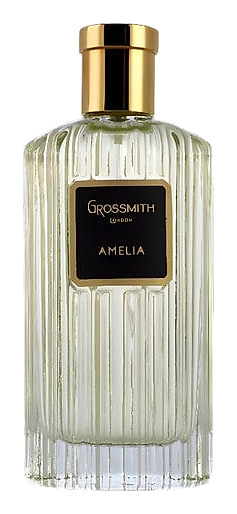
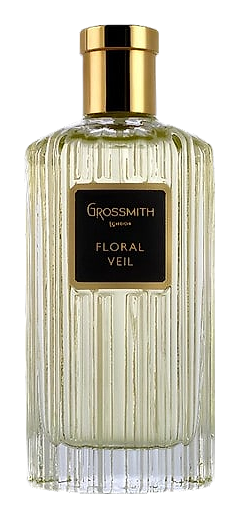
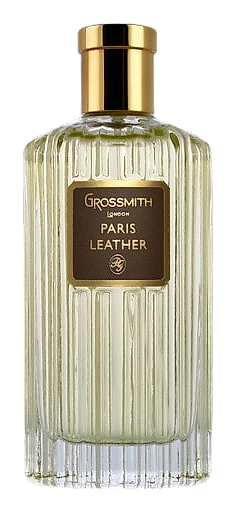
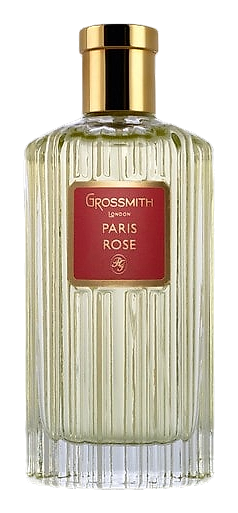
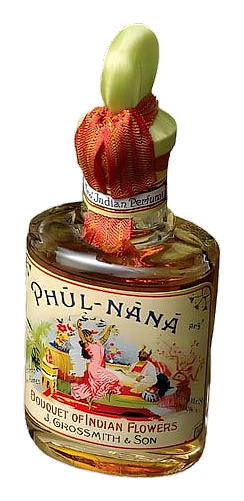
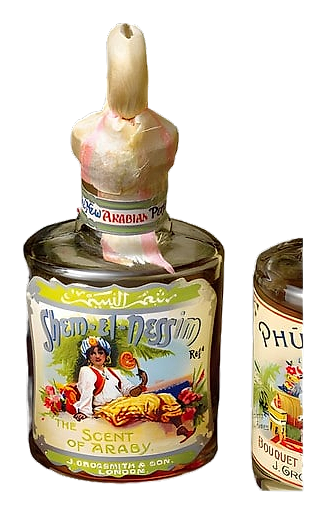
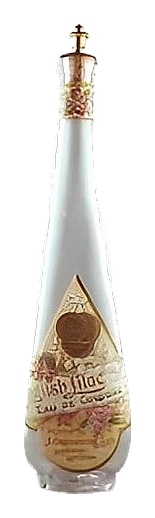
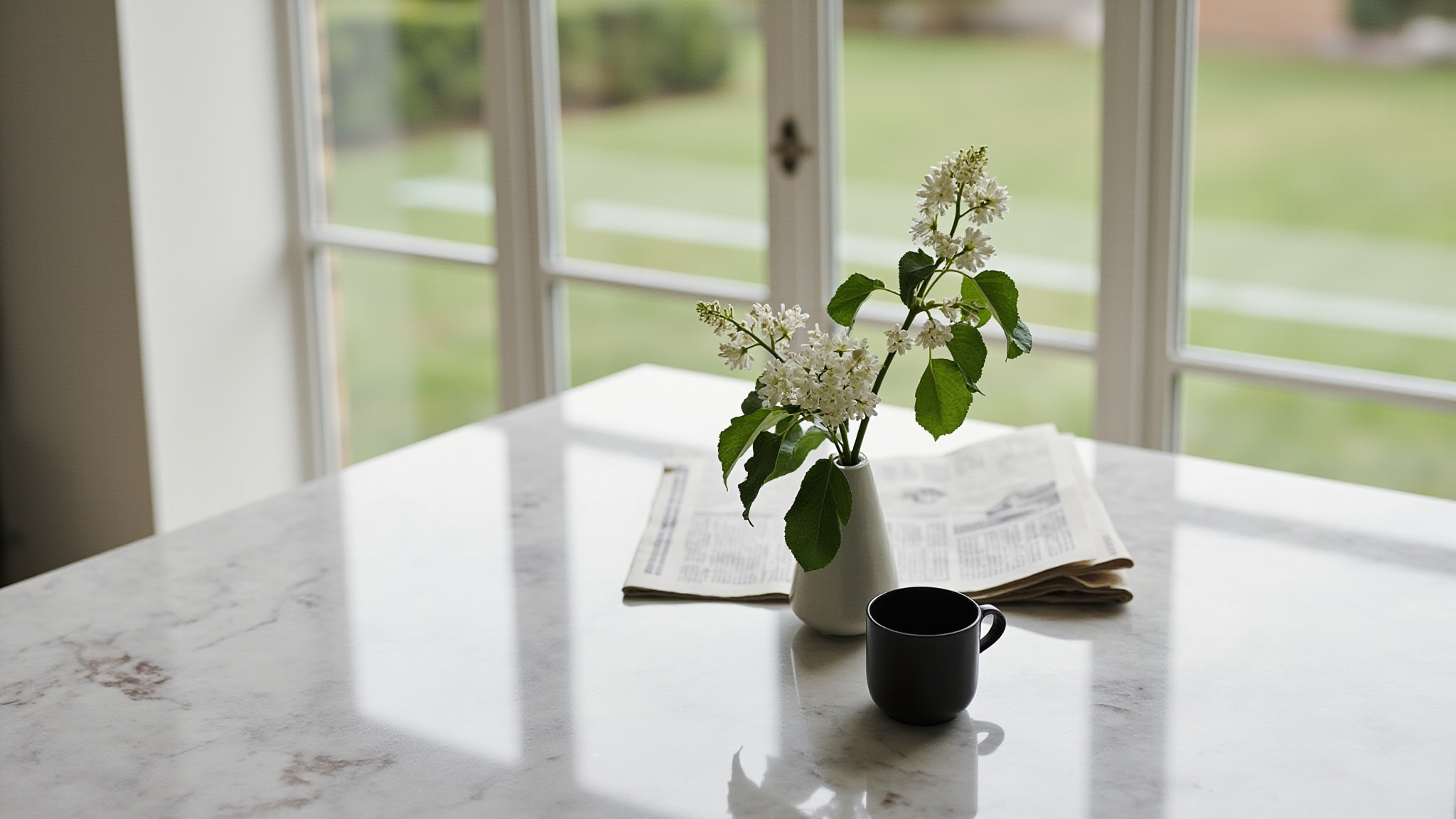
English Lilac arrived in 1920 from the Grossmith house, a London perfumery founded in 1835. By the early twentieth century, the house carried royal associations and was drawn to single-flower portraits that captured the English garden at its most specific. Not rose, not violet, but the heavier, greener bloom that fills a hedgerow in late spring. The composition centered on a single floral accord. A period fragrance made for a season that lasts three weeks, the composition channels that fleeting window when lilac dominates the British garden and every other bloom waits its turn.
Lilac is one of the hardest flowers to capture in perfumery because its scent refuses to behave. The real bloom smells green, waxy, almost vegetal at the stem, then opens into something dewy and slightly indolic at the petals, though perfumers debate the exact chemistry of that indolic edge. Grossmith's composition leans into the green stems and the cool, almost humid quality of the flower in a morning garden rather than smoothing the flower into a generic floral. What makes it distinctive is its restraint.
The evolution
The first few minutes are the greenest part. Cool stems, a faint vegetal sharpness, almost like crushed leaves more than petals. That's the garden before the flower opens. By the twenty-minute mark, the lilac arrives properly, fuller, softer, with a sweetness that reads more like warm air than sugar. It settles into skin rather than projecting outward, a quiet floral that stays in your personal space. The base is minimal, which feels intentional. What lingers is the memory of the flower itself, a cool white presence that fades gradually, leaving behind something almost like clean laundry dried outside. On fabric the next morning, it's barely there, a ghost of the garden. The drydown carries a soft musky warmth beneath the floral, barely perceptible, the kind of whisper that reminds you the fragrance is still alive somewhere on your wrist.
Cultural impact
English Lilac is mostly of historical interest today, a window into how perfumers approached single-flower compositions a century ago. It belongs to a tradition of fragrance that placed one bloom at the centre and let that flower speak for itself, trusting the wearer to appreciate the nuance. For collectors and students of vintage perfumery, it represents a particular approach to floral work, one where simplicity and specificity carried the whole composition. The fragrance reads as a document of its era, useful for understanding how perfumers thought about restraint before more complex accord structures became standard practice.