
The Story
Why it exists.
The beginning
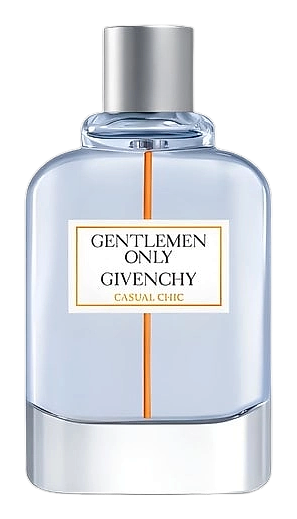
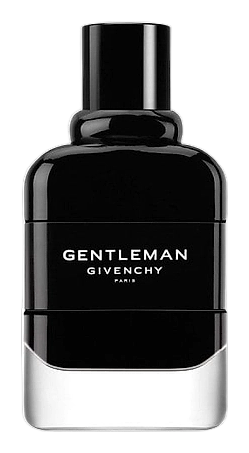
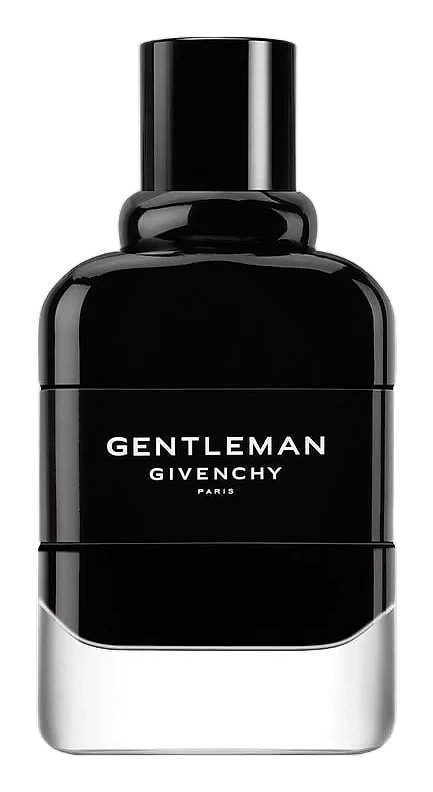
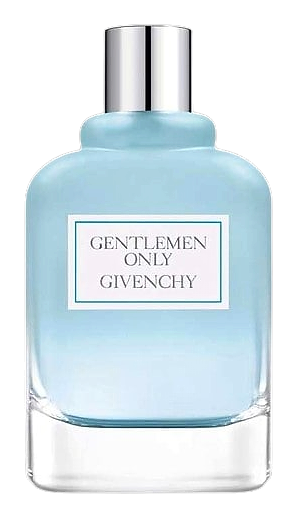
Gentlemen Only Fraîche arrived in 2017 as Givenchy's fresh interpretation of their masculine line. Perfumer Francis Kurkdjian stripped things back, bright citrus, herbal heart, clean wood, building a scent for the man who wants elegance without effort. It wasn't about starting over. It was about finding what stayed when you removed the excess.
The note structure is deceptively simple: lemon and citruses open, mint and sage take over, vetiver and ambroxan close. What makes it work is the execution. The lemon doesn't screech, it brightens. The sage doesn't overwhelm, it grounds. The ambroxan adds a clean, almost mineral warmth that keeps the drydown from going flat. It's a composition that trusts restraint, and restraint is harder to get right than complexity.
The evolution
The first fifteen minutes belong to lemon, sharp, clean, immediate. No subtlety in the opening, just a clear statement. By the half-hour, the citrus softens as mint and sage arrive, turning the scent toward something herbal and green. The transition isn't dramatic; it's a slow handoff. Two hours in, the heart is fully established, aromatic, calm, with a slight sweetness from the sage that keeps it from going austere. The drydown is where Haitian vetiver and ambroxan take over, adding warmth and a clean woodiness that stays close to the skin. By the fourth hour, it's a skin scent, present but quiet, the kind of thing you catch on your wrist and think, oh right, I put that on this morning.
Cultural impact
Gentlemen Only Fraîche arrived in 2017 as Givenchy's answer to a changing masculine fragrance landscape. The original Gentlemen Only launched in 2013 during the amber-woody boom, but by the mid-2010s, the market was shifting toward cleaner, lighter masculine presentations. The Fraîche flanker stripped back the warmth, doubled down on citrus, and planted its flag in the fresh-aromatic category. It wasn't the first to do this, but Givenchy's distribution and positioning gave it reach that smaller releases didn't have. The fragrance found its audience in professional men who wanted to smell considered without smelling like they were performing. That positioning, clean masculinity for the office rather than the club, became a template other houses would follow.