The Story
Why it exists.
The beginning
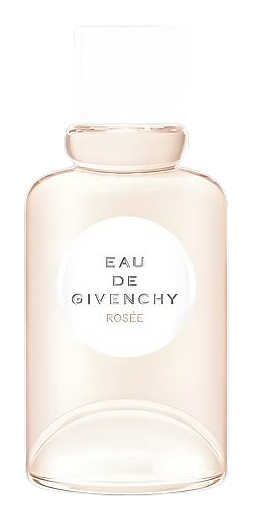
Eau de Givenchy Rosée arrived in 2019 from François Demachy, house perfumer for Givenchy. The name says it: rosée, the French word for dew. This is a fragrance built around the idea of morning, the specific quality of light that only exists in the first hour after sunrise, when the world is still quiet and everything feels possible. Demachy didn't reach for obvious rose metaphors. Instead, he looked at what happens to flowers before anyone is around to smell them: the condensation, the cool air, the way petals hold their scent close until disturbed. That's the brief. That's what Rosée translates.
What makes this composition interesting is the tension between the aquatic and the floral. Hyacinth carries water in its name and its character, that wet, slightly green quality that most perfumers treat as a background note. Here, Demachy puts it in the heart where it can hold the rose accountable. Without it, this would be a pretty standard floral. With it, the rose becomes something else: cooler, more atmospheric, less romantic and more observational. The osmanthus in the opening does something similar, its tea-like, apricot-edged warmth stops the mandarin from being a generic citrus burst. It grounds the sparkle before it floats away.
The evolution
The opening arrives fast: mandarin's bright flick, then osmanthus slipping underneath like a warm hand in a cold room. Thirty seconds and the mandarin retreats. What replaces it is the interesting part, hyacinth asserting itself with that watery, almost ozonic quality that smells like rain on stone. The rose doesn't burst in. It accumulates, slowly, petal by petal, until you realize it's been there the whole time underneath the shimmer. The jasmine waits longest, barely visible until the heart is almost done. Then, quietly, the base takes over. White musk does what white musk always does, makes everything feel closer, warmer, like skin. The patchouli is so restrained it barely registers as patchouli at all. More of a memory of earth than the thing itself. On fabric, it fades to almost nothing. On skin, the whole arc takes roughly 3-4 hours. What remains is a clean, soft warmth, the kind that makes you check your wrist twice to confirm you're still wearing it.
Cultural impact
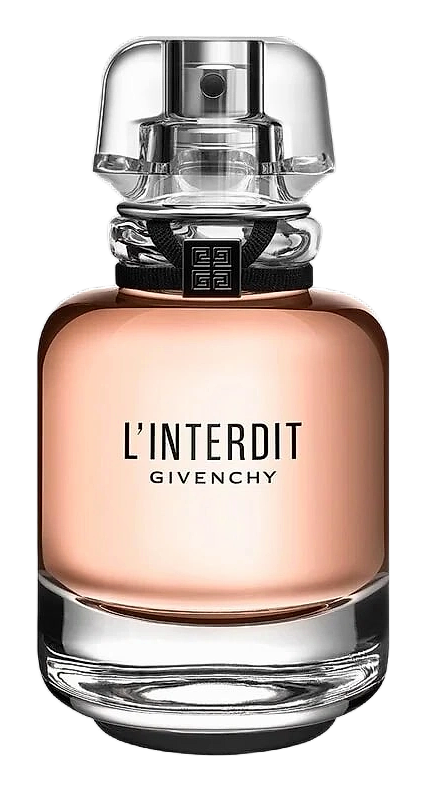
Rosée occupies a specific lane: the woman who finds most florals too loud, too sweet, too much work. In the Givenchy lineup, it sits lighter than L'Interdit's white floral intensity and more aquatic than Irrésistible's ambery warmth. It reads as effortless, which is harder to achieve than it sounds. The osmanthus note, more common in Chinese perfumery and niche releases, gives it a subtle specificity that keeps it from dissolving into the background of fresh florals.