
The Story
Why it exists.
The beginning
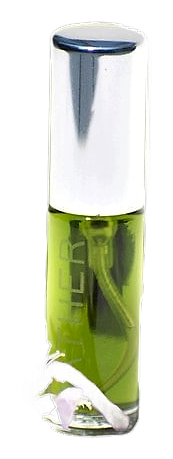
Ananda Wilson's Bluegrass is a place, not a concept. It's a portrait of the prairie meadow that exists in the American pastoral imagination, somewhere between bluegrass fiddle music, untamed clover fields, and the long golden hours before a midsummer storm. The brand's own copy spells it out: tumbleweed and wildflowers in your hair, freshly baled hay, daisy garlands knotted on the longest afternoon of the year. Distant fiddles somewhere south. The opening spray is an immediate rush of green, bright and slightly tart, the kind of smell that recalls a sun-warmed meadow just after rain. Violet leaf brings a cool, leafy bitterness, the sort of green that almost has a taste to it, sharp enough to make the back of your tongue tingle.
What makes Bluegrass interesting technically is the deliberate pivot away from the green notes most perfumers rely on. Green notes built from reconstructed aromachemicals tend to be sharp, almost metallic, engineered for projection and a clean, faceted snap. Wilson goes the other direction, leaning on naturals that read softer, rounder, and more lived-in, closer to the smell of actual crushed stems than the crisp, abstract green of a designer freshie.
The evolution
The first thirty minutes are dewy and sharp. Wet grass, the green bite of crushed violet leaf, something almost effervescent, like the air right after a summer sprinkler. There's a raw, living quality to it, the smell of chlorophyll rubbed between fingers, of stems split open and leaking their green sap. Then the green softens. Hay arrives with its dry, sweet tobacco-adjacent warmth, a note that smells less like a field of cut grass and more like a barn loft where bales have been stacked since June. Sweetgrass braids release their own scent, an earthy, almost rooty incense that sits somewhere between dried herbs and warm grain. Beeswax settles in, giving the heart a rounded, golden body that reads almost like sun-warmed amber, adding a faintly waxy sweetness that rounds every sharp edge the greens left behind. From the second hour onward, this is no longer a green scent.
Cultural impact
Bluegrass arrives at a moment when indie perfumery has been pushing hard toward literal place-based compositions, scents that don't just nod at a mood but try to bottle a specific landscape. Wilson's work fits squarely in that conversation: this is not 'green' as an abstract category, this is a particular meadow, with beeswax and hay and sweetgrass braids, rendered without abstraction or apology. The composition reads as unapologetically literal in a way that distinguishes it from the abstracted green of mainstream designer offerings, which tend to suggest a generic fresh-cut lawn without specifying where or when.