
The Story
Why it exists.
The beginning
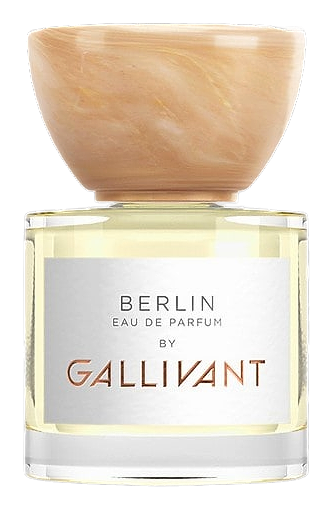
Berlin is named for the city, not the postcard version, but the real one. The one where green spaces exist alongside urban density, where water sits near transit, where light interacts with the built environment in a particular way. The fragrance is built around that contrast: light and dark, fresh and grounded, the urban and the natural sharing the same air. Karine Chevallier captures this duality in the scent's structure, creating something that feels both immediate and considered.
Grapefruit opens sharp and honest, no softening, no sweetening. The citrus doesn't pretend. Beneath it, black pepper and black tea create something cooler, more reflective. The drydown belongs to the earth: vetiver from Haiti, cedarwood, patchouli. That's the forest Berlin keeps close. The woody notes build slowly, the vetiver's earthiness anchoring the composition while the patchouli adds a quiet depth that rewards patience.
The evolution
The opening arrives crisp and awake, grapefruit and clementine with a prickle of pink pepper. Sharp, bracing, alive. The citrus gradually makes way for something cooler: black tea. Slightly smoky, slightly bitter, unexpectedly calm. The black pepper lingers but softens. Then the base arrives. Cedarwood and vetiver form a slow, earthy exhale. Patchouli stays quiet at first, then emerges as the hours pass, woody, grounded, the green that never quite leaves the city's edge. By the time it settles into the skin, it's contemplative. Someone passing you on the street won't notice. But the wear lasts.
Cultural impact
Berlin earns attention through its structure, the tea-vetiver combination giving it a contemplative quality that sets it apart. Not a beach scent, not a gym scent, but something closer to a city park on a weekday morning. The fragrance captures a particular mood, the kind of clarity that comes from green space existing alongside the urban grid.