The Story
Why it exists.
The beginning
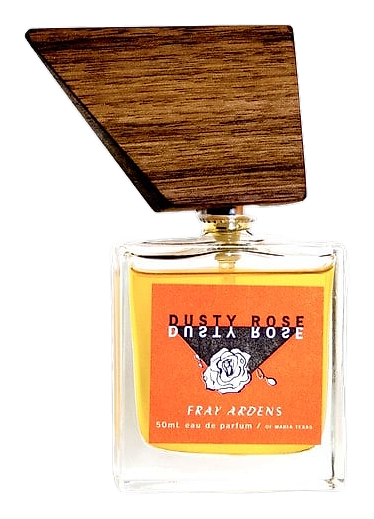
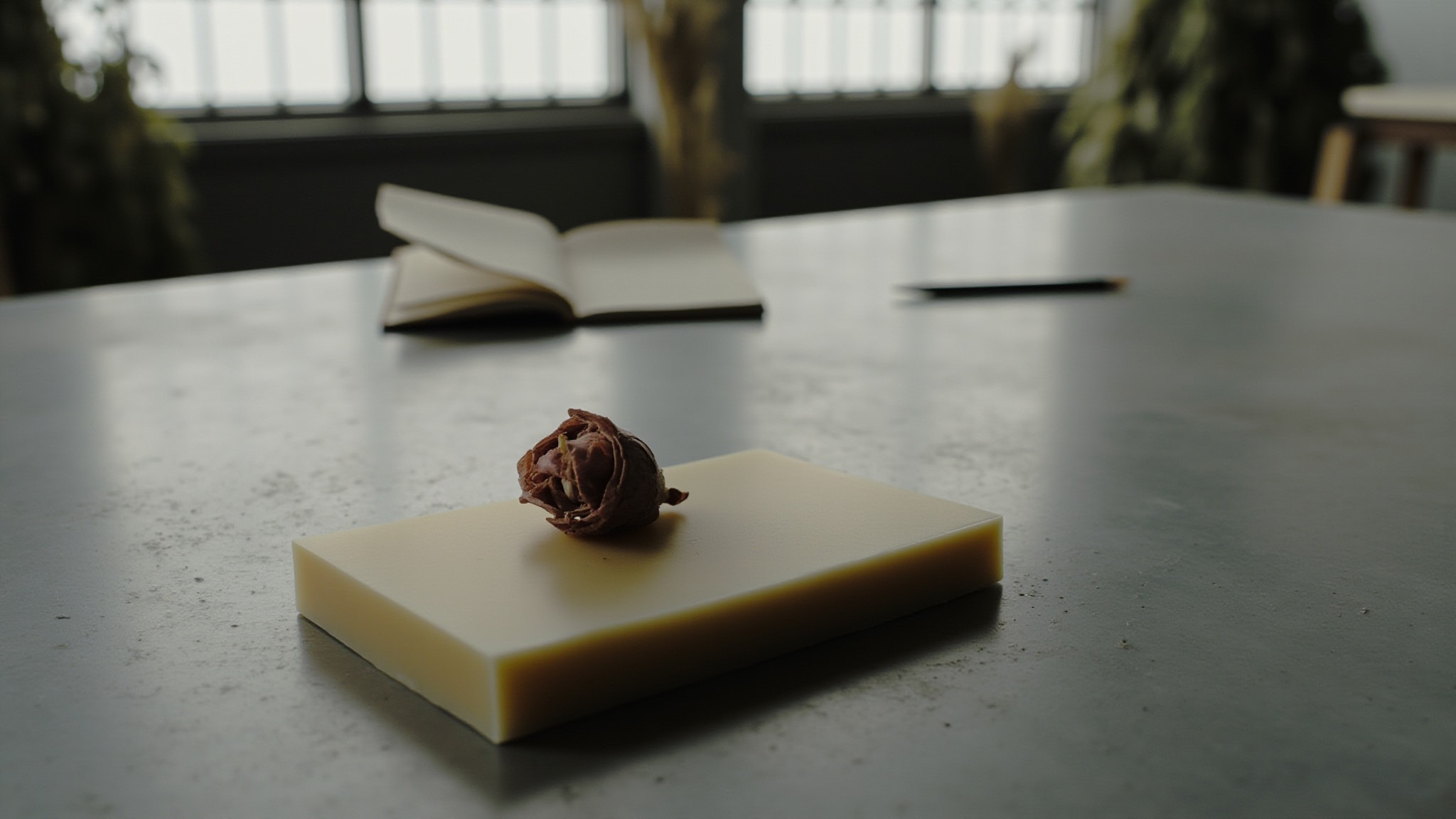
Dusty Rose places rose at the center of a composition built around dry earth, resin, beeswax, and herbal materials. The flower is presented plainly at first, with little interference around its identity. As the scent develops, the supporting notes introduce darker, drier textures: soil gives the rose weight, resin adds depth, and beeswax brings a soft waxy presence. The result is less decorative than tactile, pairing floral character with the mineral and vegetal qualities associated with parched ground and exposed plant matter. Earthy, smoky, amber, balsamic, and animalic accords deepen that impression. The official description calls it a multifleur floral with a dusty underbelly, and that phrase captures its central tension well.
What makes Dusty Rose structurally unusual is its restraint at the opening. Rose takes the lead without a crowded floral introduction. The composition then expands through beeswax, soil, and herbal notes, each adding a different texture around the flower. Beeswax gives the rose a rounded, waxy quality, while the earthy notes make it feel less polished and more grounded. Herbs introduce a vegetal layer that complements the floral center without overwhelming it. Together, these materials create a dense contrast between softness and dryness, petal and earth, sweetness and shadow.
The evolution
Dusty Rose begins with a clear rose impression, but the opening quickly gives way to a more tactile blend of wax, herbs, soil, and resin. The floral note supplies a soft, recognizable center while the surrounding materials introduce dry, mineral, and slightly smoky textures. Beeswax rounds the composition without making it overtly sweet. It gives the rose a waxy sheen, while the herbs add a green, vegetal edge and the earthy notes create depth underneath. As the fragrance develops, resin strengthens the darker character of the blend. The rose remains present, but it becomes one element within a denser network of textures rather than the only point of focus. On skin, the opening feels direct and polished, while the later stages are heavier, warmer, and more enveloping. The combination of powdery softness, dry earth, wax, and smoke creates a slow transition from floral to resinous.
Cultural impact
Dusty Rose offers a different expression of rose than a conventional floral fragrance. Its dusty quality comes from the contrast between the softness of the flower and the dryness of soil, resin, wax, herbs, and smoke. That contrast gives the scent a distinctive place among rose compositions, appealing to wearers who prefer florals with more weight, texture, and less overt sweetness. The fragrance's earthy, smoky, amber, balsamic, and animalic accords make it feel intimate and complex, while the multifleur floral structure keeps the rose recognizable.
The House
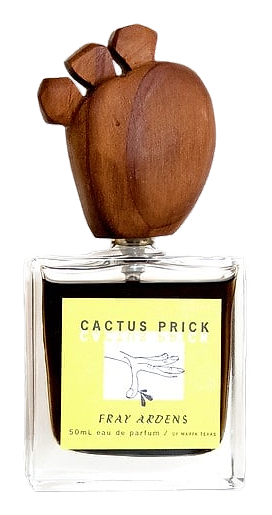
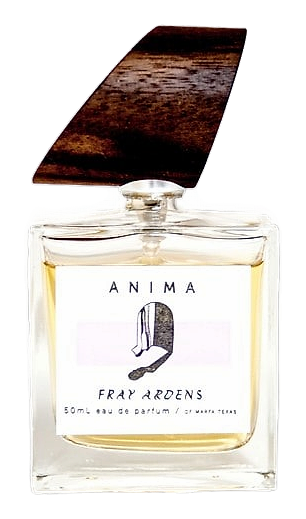
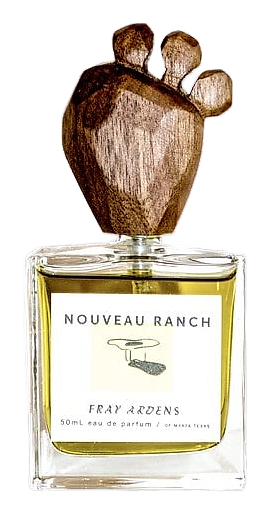
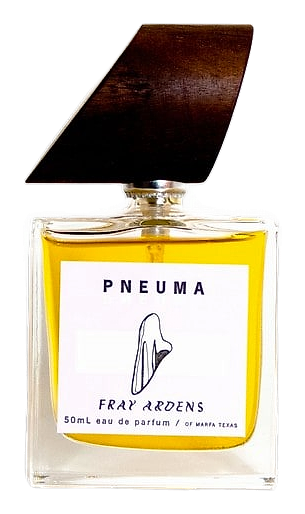
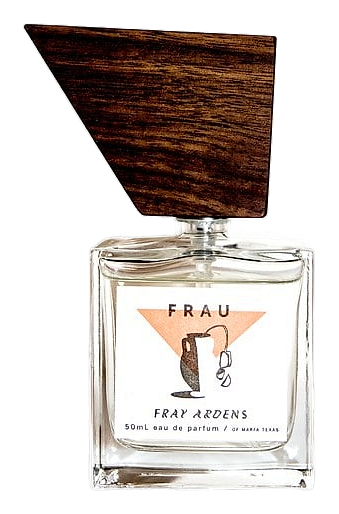
Fray ArdensFray Ardens is an independent perfumery based in Marfa, Texas, founded by Ash Compton in 2017. The brand draws direct inspiration from the Chihuahuan desert landscape of far west Texas, creating small-batch fragrances that blend herbal knowledge with a background in architecture, film, and Jungian analytical work. With a catalog of six perfumes including Anima, Pneuma, Nouveau Ranch, Frau, Cactus Prick, and Dusty Rose, Fray Ardens occupies a distinctly personal niche in American independent perfumery, rooted in place and archetype rather than trend.
The Creator
Ash ComptonCompton works from a deeply personal palette, drawing on materials that carry emotional weight, woods, resins, smoke, herbs with green and bitter edges, and the kind of animalic and mineral notes that reward slow wear. His compositions tend to unfold in chapters rather than mo…