The Story
Why it exists.
The beginning
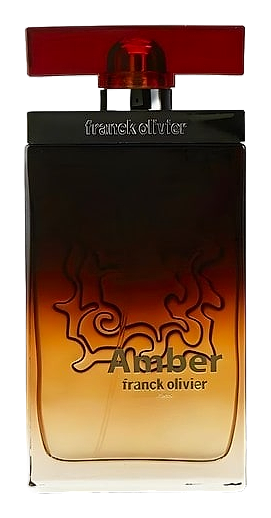
Franck Boclet built his name in Paris fashion before turning to perfumery in the early 2010s. With Amber, released in 2014 as part of the Fragrance collection, he brought his fashion sensibility into olfactory form, creating a scent that refuses the usual amber playbook. The idea was simple but uncommon: start with something unexpected, then let warmth arrive on its own terms.
What makes this amber unusual is its opening. Bay leaf and oregano are not typical amber ingredients, they belong to savory or aromatic fragrances. But here, they serve as a counterweight to the sweetness waiting underneath. Ylang-ylang bridges the two: creamy enough to ease the herbal edge, floral enough to feel like a transition rather than a clash. The result is an amber that builds rather than announces.
The evolution
The first minutes belong to the herbs. Bay leaf and oregano arrive clean and green, almost medicinal in their clarity. Then ylang-ylang softens the edges, the floral note doing the quiet work of making the sharp notes feel intentional rather than accidental. After twenty minutes, patchouli enters the conversation. Earthy, slightly sweet, it shifts the fragrance from green to grounded. Jasmine arrives more quietly, a whisper of floral sweetness against the patchouli's weight. The real payoff comes in the drydown. Amber and vanilla anchor everything that came before, warm, resinous, and persistent. Eight to ten hours on most skin types. The next morning, a faint trace of vanilla and resin still clings to the wrist.
Cultural impact
Wearers describe it as the amber for people who find most amber fragrances too easy. The herbal opening divides opinion, some find it jarring, others find it the whole point. Compared to Serge Lutens Ambre Sultan and Akkad by Lubin in blind-buy discussions, it holds its own against more established niche ambers.